A county, read in connections

There is always another story.

A dam being rebuilt so sockeye can come home. A man who went from the sawmill to the foundry to the city crew. A library card that cost a used book, a hailstorm, a steer that had to leave the county, and the people who kept coming back to this valley.

The work of living here · Three new stories

Homes, livelihoods, and help when it matters.
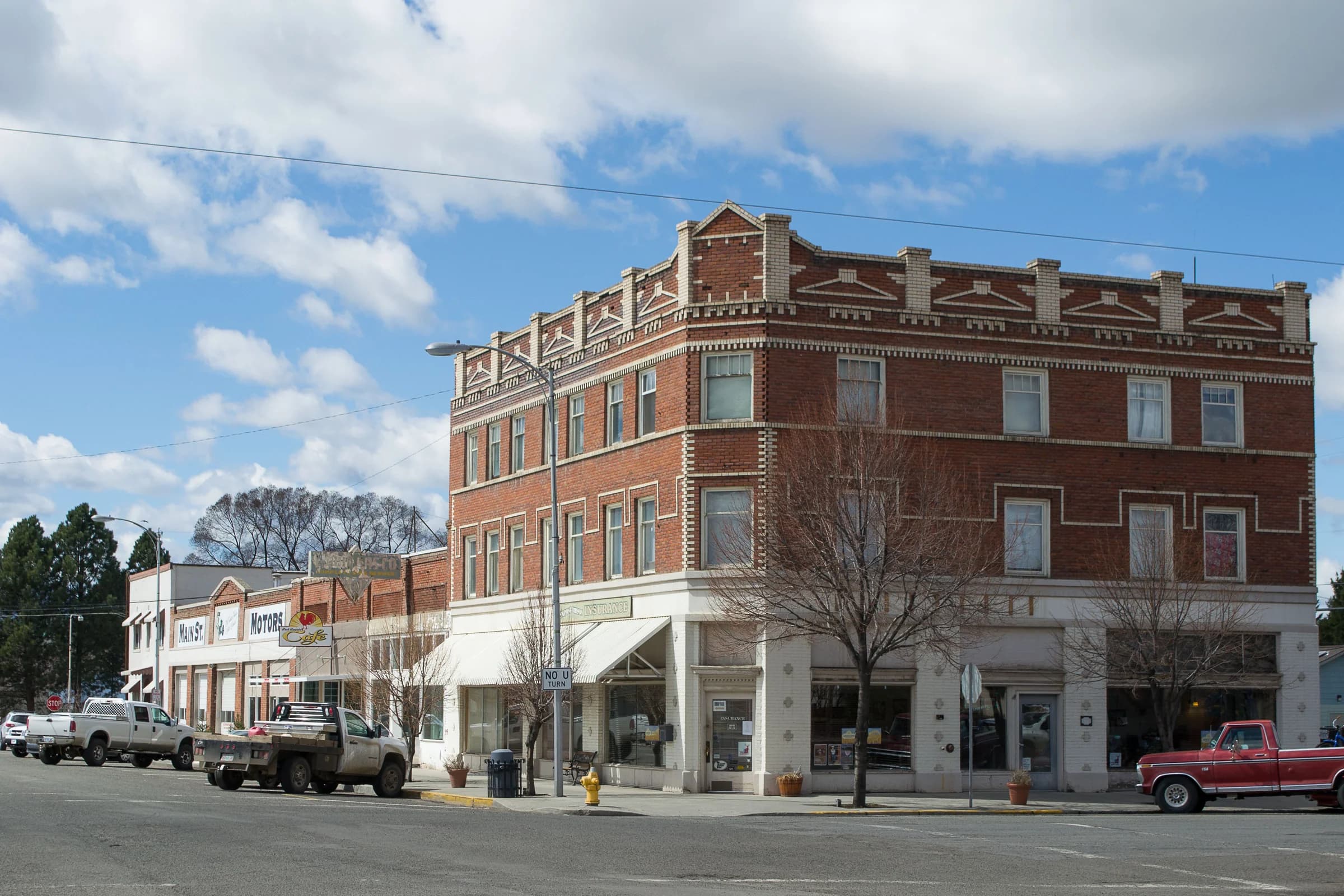
Enterprise’s downtown streetscape. Context photograph; the owner’s photographs of the EM&M itself are linked in the story.
An atlas essay Enterprise · 1935–2026

The apartments above Main Street

In 1935 Enterprise argued about tearing the EM&M down; Wallowa County fixed the roof and built apartments inside instead. Ninety years on, the building is being fixed again, with 27 homes still upstairs.

Read the story
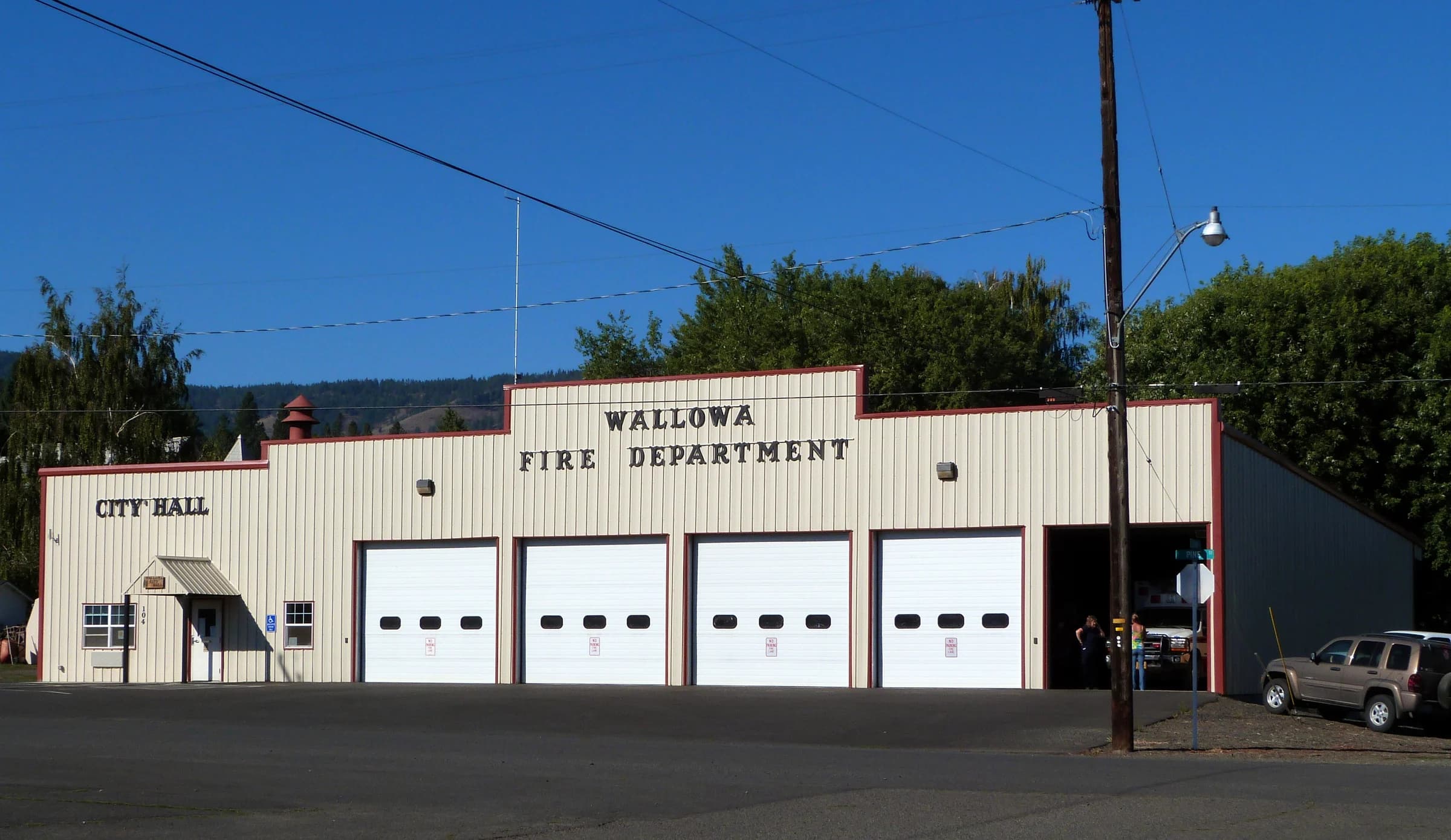
Wallowa’s combined city hall and fire station in September 2013, nine years before the hailstorm. This is a place photograph, not a damage or recovery photograph.
An atlas essay Wallowa · August 2022 and its aftermath

After the hail

On the night of August 11, 2022, hail smashed windows across Wallowa, and a lumber yard in Joseph showed up with plywood. Covering the holes took one night; fixing the houses before winter took money, contractors and time the town did not have.

Read the story
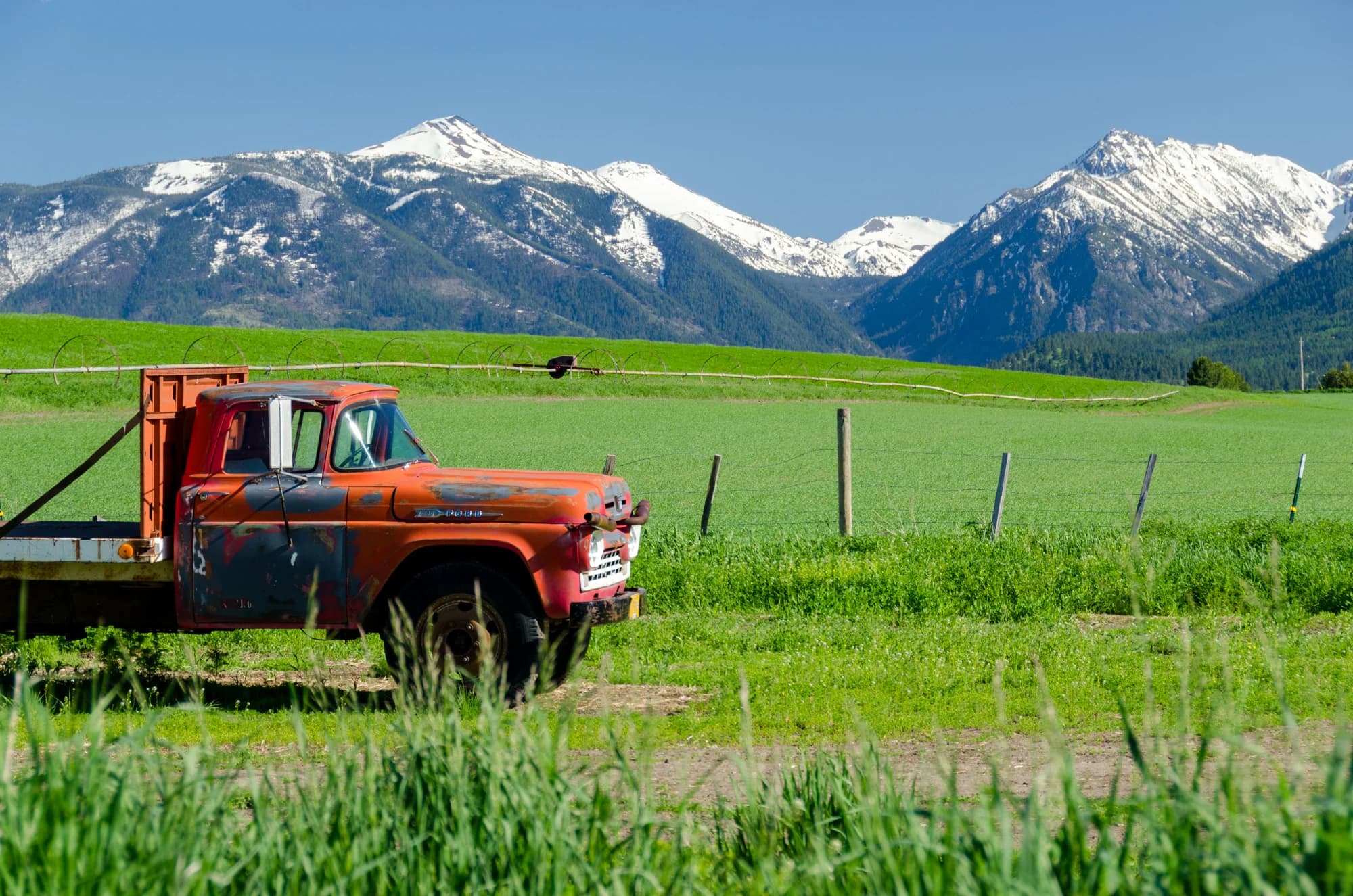
Working land near Enterprise. Landscape context; this photograph is not identified as 6 Ranch or Carman Ranch.
An atlas essay Wallowa Valley & Elgin · 2010–2012, with a 2026 source check

The long way home for Wallowa beef

A Wallowa County rancher could raise the steer, but selling you a steak from it meant sending the animal out of the county first. Two ranches dealt with that in two very different ways.

Read the story
Life here, explained

Follow the story into the bigger questions.

All issue guides
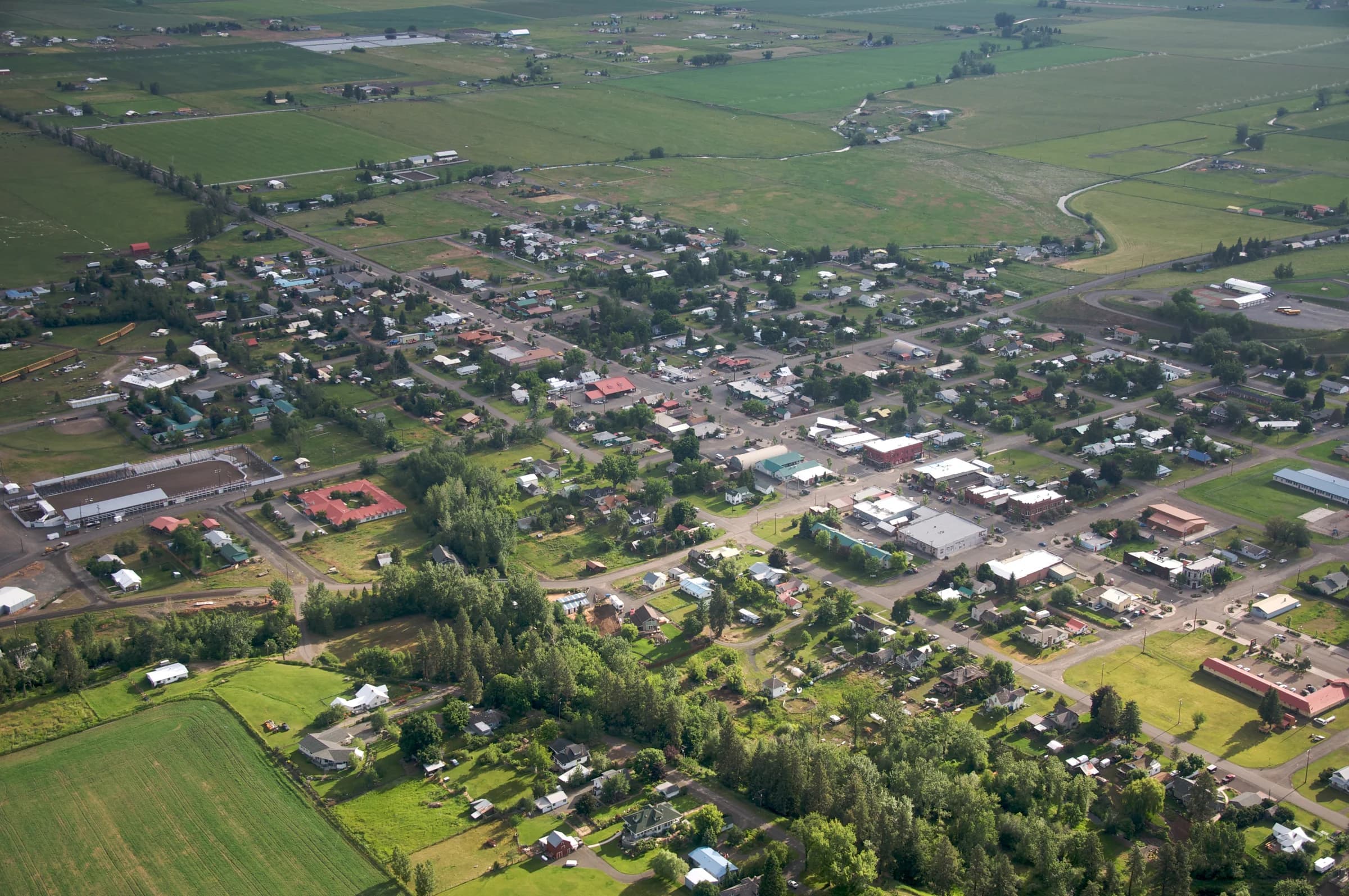
Enterprise and the fields around it, from the air in July 2007.
A guide

What does it take to find a year-round home here? ↗

In October 2026 there were 79 homes for sale in all of Wallowa County, the most in years, and 17 of them cost less than $350,000. A two-bedroom rented for about $1,200 a month and a family house for $1,600 to $1,800. A new house cost about $375 a square foot to build, before anyone bought the land. A nurse who takes a job at the hospital has to live within twenty minutes of it. This is why that is hard, what the numbers can and cannot tell you, and what has been tried.

Sam Beebe · 2007-07-08 · CC BY 2.0 · Image & source ↗
Wallowa’s city hall and fire station in September 2013, nine years before the storm.
A guide

What turns emergency help into recovery? ↗

On the night of August 11, 2022, hail broke windows across the town of Wallowa. By the next day a lumber yard in Joseph had plywood on the way, and covering the holes took a night. Repairing the houses took money that arrived in late September, contractors who were already short, and years. The money and the work ran on different clocks, and this guide keeps them apart.

Ian Poellet · 2013-09-10 · CC BY-SA 3.0 · Image & source ↗
Joseph and the fields around its streets, from the air in July 2007.
A guide

Where does the value of local work go? ↗

A Wallowa County rancher can raise a steer from birth and still not be able to sell you a steak from it without sending the animal out of the county to be killed and cut. One ranch found that nearly 40% of its costs came after the cattle left the ranch. That is the question under every industry here: between the thing made and the thing sold, who gets the money?

Sam Beebe · 2007-07-08 · CC BY 2.0 · Image & source ↗
Enterprise’s Main Street. A storefront is one place a loan ends up; the programs on this page also finance equipment, lots, boats and working capital.
A guide

Where does the money come from to start something here? ↗

Most businesses in the county start on savings, a small loan and a second job. These are the programs that will lend, match or guarantee money for someone starting or buying a business here, including the lenders built for Native borrowers. For each: what it requires, and what none of them can do. Terms change. Call before you plan around a number.

Visitor7 · 2013-04-09 · CC BY-SA 3.0 · Image & source ↗
Two essays

What people tried, and what the records kept.

Lettuce country, a horse-powered carousel and firewood sold in Dallas; an 1888 trial whose papers turned up in a safe in 1995.

Joseph and surrounding fields. This modern landscape photograph does not identify the fields used in the historical lettuce experiment.
An atlas essay Beyond the familiar account

Lettuce, a carousel, and firewood bound for Dallas

In 1923, Wallowa County set out to become lettuce country, and by 1939 the climate had won. The trying is the story: a horse-powered carousel, firewood shipped to Dallas, a general store with its own radio.

Read the story
Enterprise in a postcard circa 1912. This photograph was made after the 1888 trial discussed below.
An atlas essay Beyond the familiar account

Records, and what they leave out

In 1995, the court papers from an 1888 murder trial turned up in a Wallowa County safe. Every record in this county was kept by someone, and every silence has a story too.

Read the story

Browse the growing source collection ↗

Six chapters

The county, from the water up.

Land and water, the Nez Perce homeland, the main streets, the work, the places people gather, and what it takes to stay.

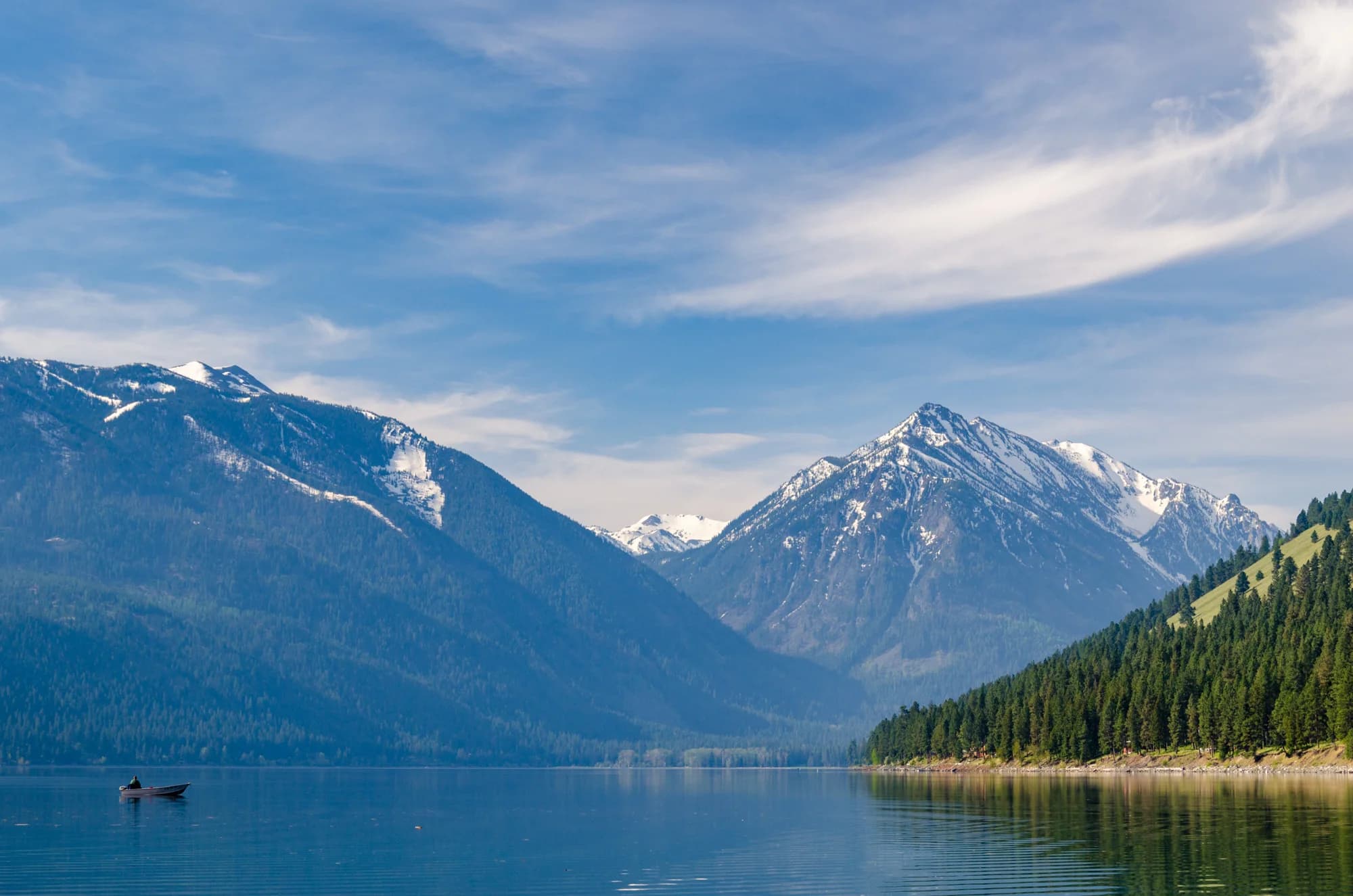
Wallowa Lake and the mountains, seen from the county park at the north end.
Chapter 01 Land & water

Fish, farms, and the ridge above the lake

Salmon swimming home past eight dams met too little water in the last few miles. What people did about that, about the dam at the lake’s outlet, and about the ridge above Wallowa Lake, comes down to a few signed pieces of paper.

Read the story
The Wallowa Mountains reflected in the lake, photographed from the north-end county park. This landscape photograph does not depict a particular cultural gathering.
Chapter 02 Indigenous homelands

The valley they kept coming home to

The Nez Perce people never stopped knowing this valley as home. Photographs of families coming back to fish in the 1930s, the Tribe’s biologists on the Lostine River today, and a plan that looks a hundred years ahead tell the story of return in pieces. The people it belongs to should tell the rest.

Read the story
Brick storefronts along a street in Enterprise.
Chapter 03 Towns & settlement

Every main street has many lives.

In Enterprise a theater waited out the flu, in Joseph a bank kept a hospital upstairs, and in Lostine a pharmacy shared its roof with a lodge. On these main streets, every doorway has a second story.

Read the story
An old truck in a field near Enterprise, with the Wallowa Mountains behind it.
Chapter 04 Work & livelihoods

The sawmill, the foundry, and the city crew

In 1998 Justin Doherty walked out of Joseph High School and into the sawmill. When the mill closed he poured bronze, and when he left the foundry he went to work for the city. One man’s path ties together industries a directory would list apart.

Read the story
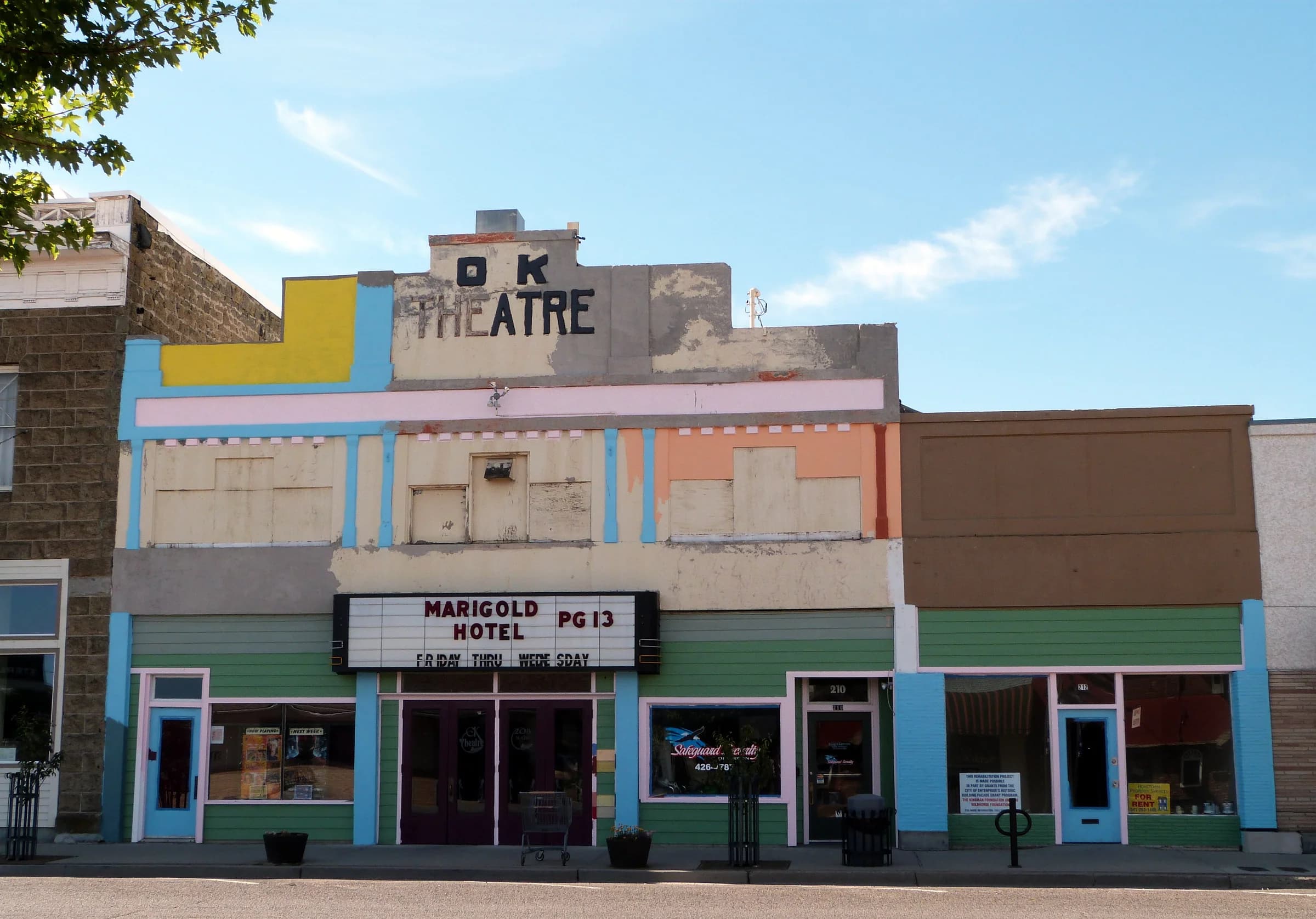
The OK Theatre facade in Enterprise. The marquee records a moment in the past, not a current program.
Chapter 05 Culture & gathering

A used book got you in the door

In 1899 you could join the Enterprise library by handing over a used book. A Grange brunch in Lostine, a writers’ gathering at Wallowa Lake and four file drawers of one woman’s papers finish the story.

Read the story
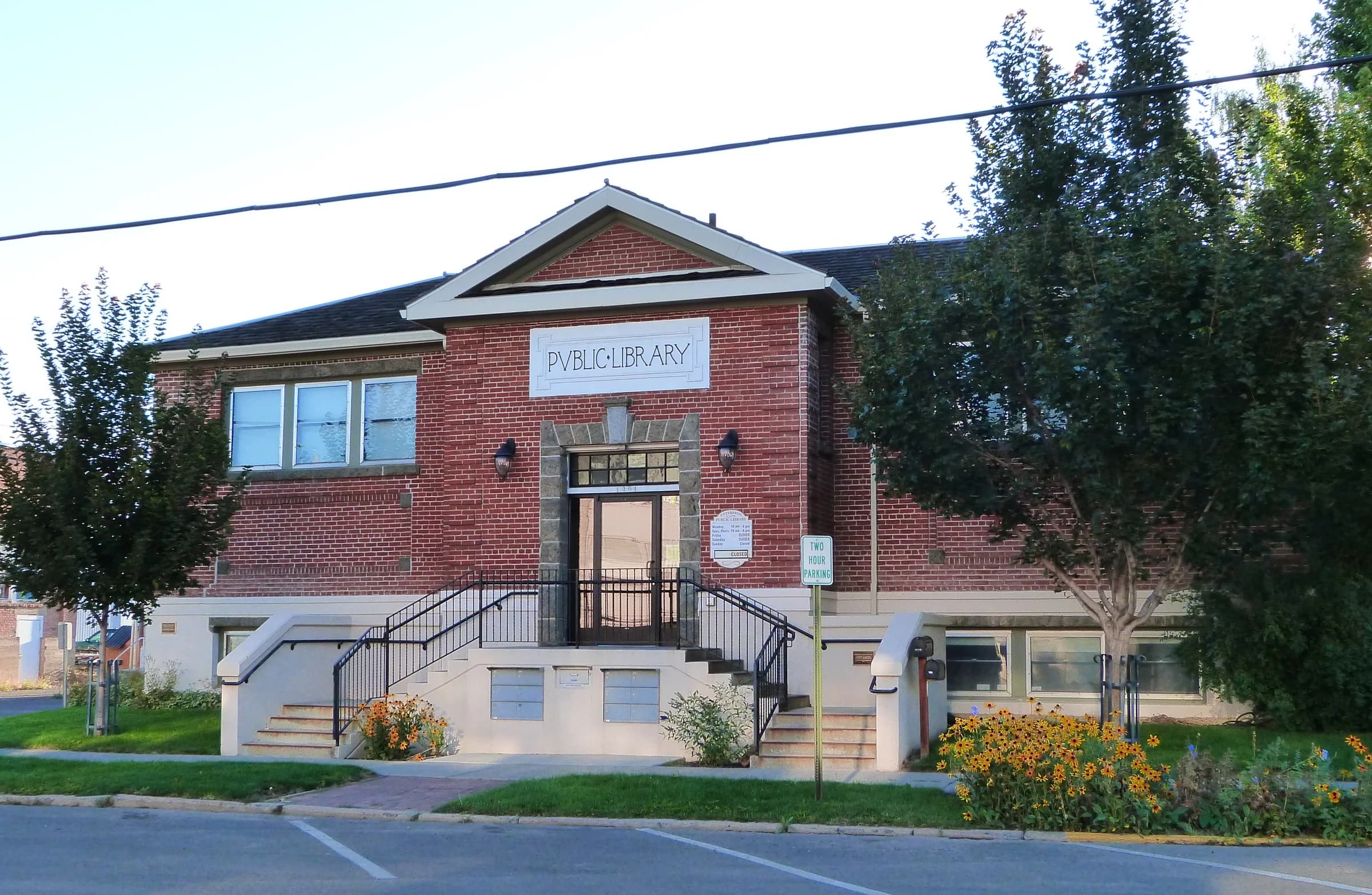
The Enterprise Public Library building.
Chapter 06 Everyday life

Loving a place, and being able to stay

Friends brought a meal that lasted four days; a library lost a vote, and its books had to find new shelves. Loving Wallowa County and being able to stay here are two different questions.

Read the story
An open conversation · 2046

What should home
feel like in twenty years?

The work worth carrying on. The people who should be able to stay or return. The changes you hope to see—and the things you hope will last. Start with where the county’s money comes from, and what twenty people said in October 2026, counted without names.

Explore Home in 2046 ↗
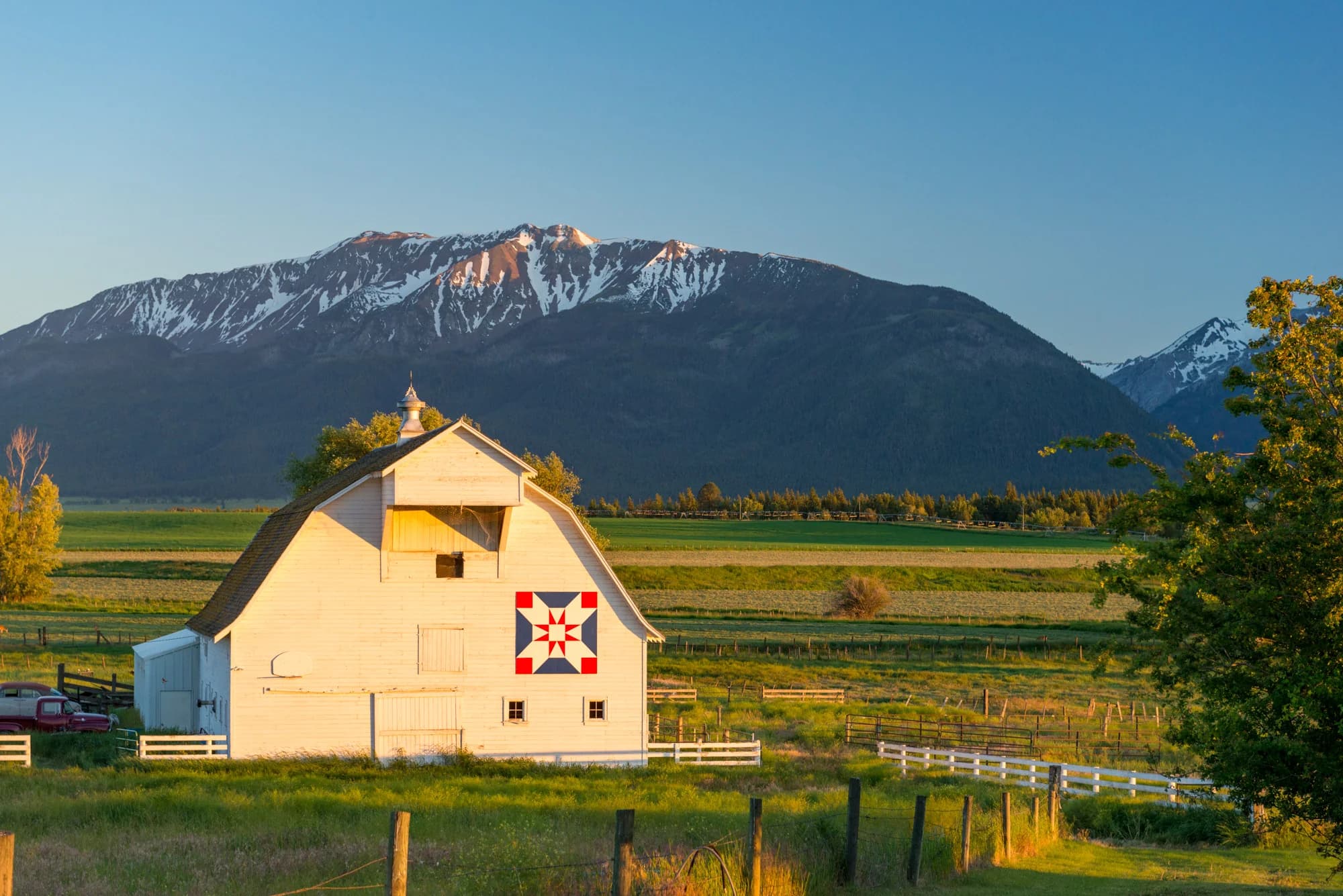
A barn and working fields beneath the Wallowa Mountains
Gary Halvorson, Oregon State Archives · 20 June 2016 · CC BY 4.0 · Image & source ↗