Where does the money come from to start something here?

Most businesses in the county start on savings, a small loan and a second job. These are the programs that will lend, match or guarantee money for someone starting or buying a business here, including the lenders built for Native borrowers. For each: what it requires, and what none of them can do. Terms change. Call before you plan around a number.

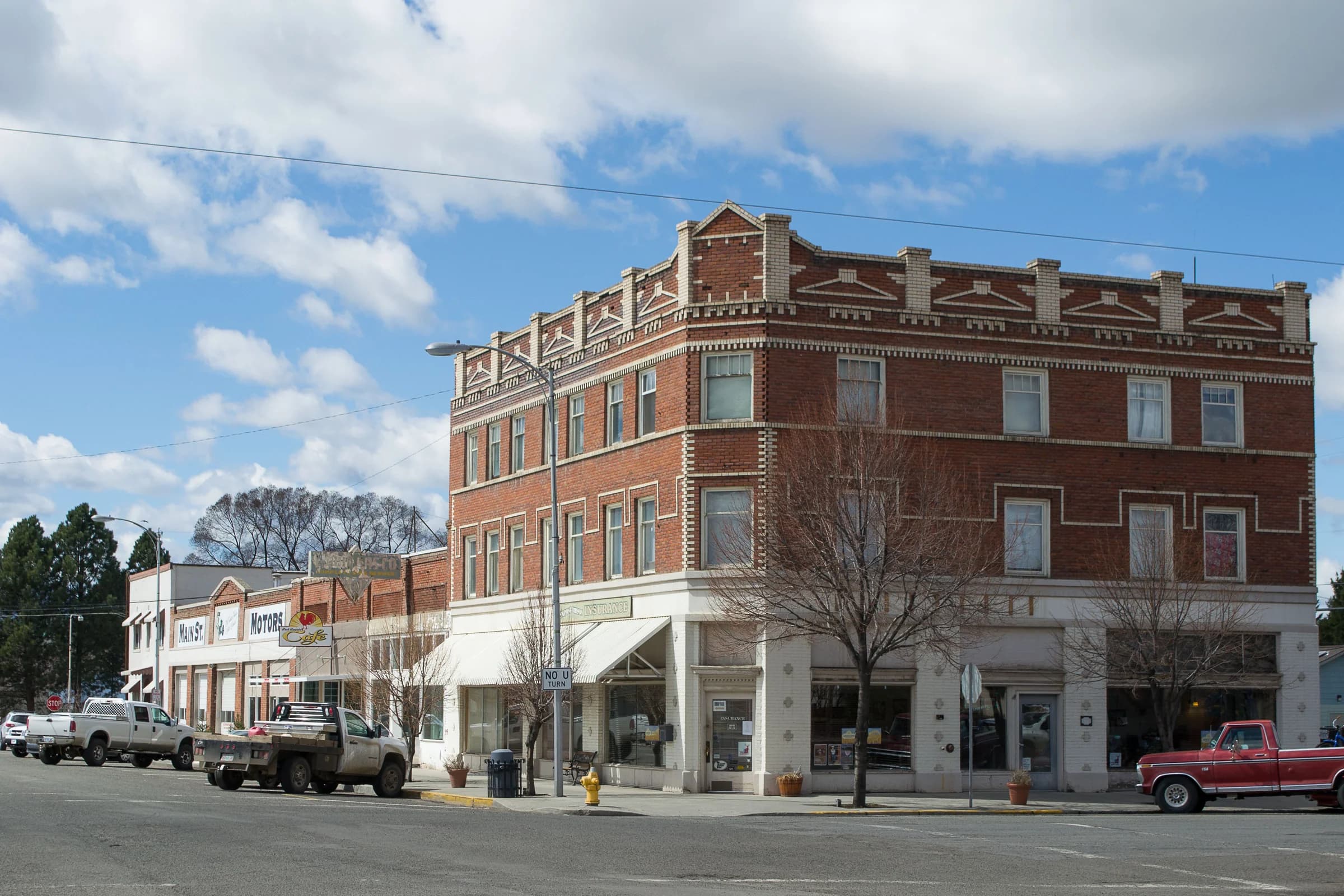
Enterprise’s Main Street. A storefront is one place a loan ends up; the programs on this page also finance equipment, lots, boats and working capital.
Enterprise’s Main Street. A storefront is one place a loan ends up; the programs on this page also finance equipment, lots, boats and working capital. Visitor7 · 2013-04-09 · CC BY-SA 3.0 · Image & source ↗
In this guide 6 sections
Project record

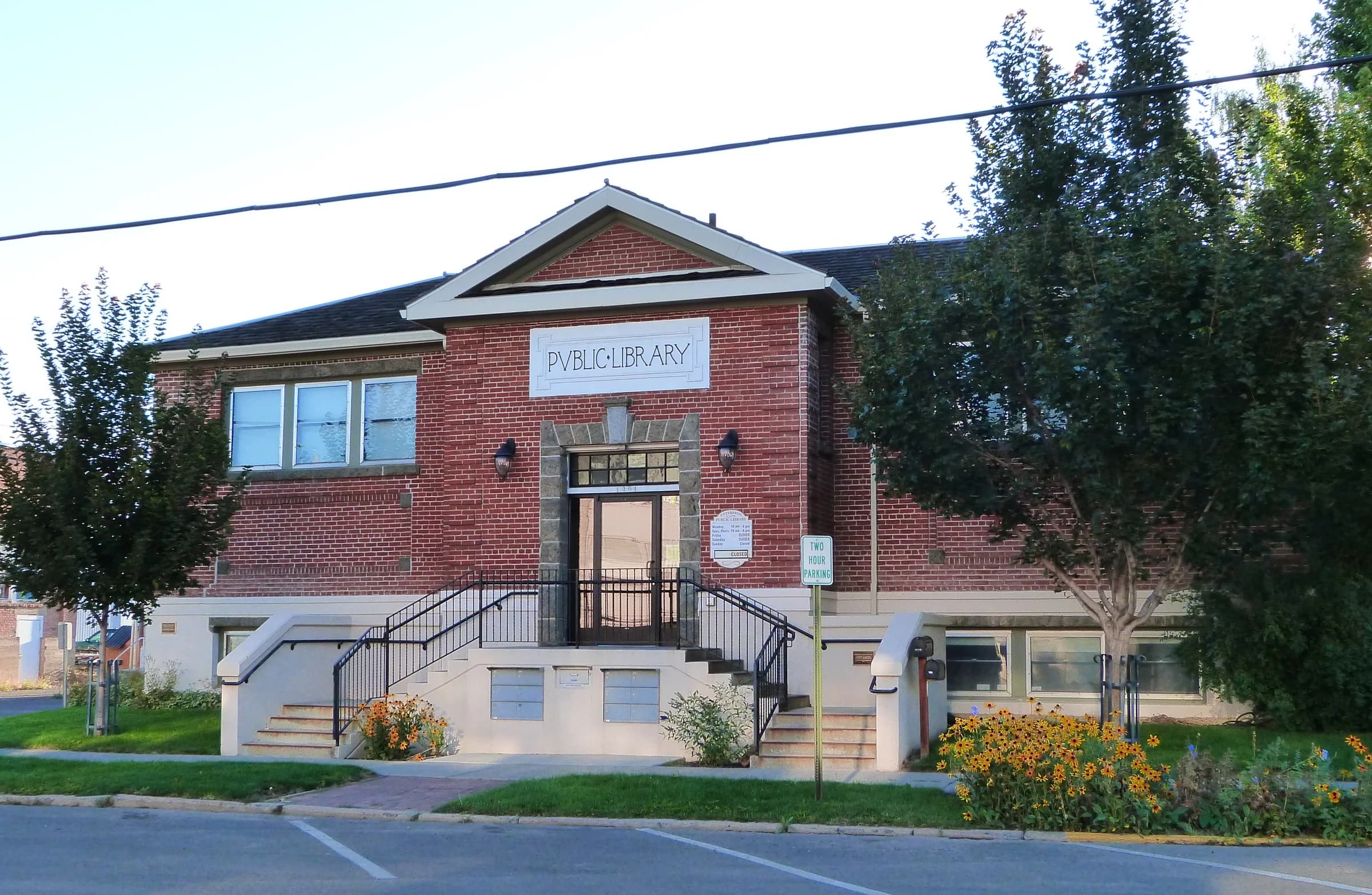
The first lender here is under the Enterprise library

Under the Enterprise library, in the offices of the Northeast Oregon Economic Development District, is where a small business in Baker, Union or Wallowa county usually borrows first. Its smallest loans, which it calls microloans, go up to $40,000 for one to five years. Interest runs from 7.25% to 17.25%, and the owner puts in 5% of the money. Its larger loans come from two pools: a revolving fund, which lends out what earlier borrowers repay, and a federal pool it relends. These are fixed-rate loans for land, buildings, equipment and working capital. They cover up to half of a project’s cost, or three quarters in some cases, require 10% from the owner, and are capped at $250,000. The district expects about one job to be created for every $25,000 to $50,000 it lends. It also runs matched savings accounts for business purchases and Kiva loans of up to $15,000 at no interest, raised from supporters online. It offers one-on-one coaching and a ten-week business-planning class.

Grants for a business run for profit are rare, and the district says so. The one exception in 2025 came from the state’s Economic Equity Investment Program, through Business Oregon. It put $48,000 into small grants in Wallowa and Union counties: up to $4,000 for an existing business and $2,000 for a new one, on condition that the owner take the planning class. The round was open for a month. The district’s report does not say whether it will run again.

Money to start something

Who will lend to start something here, and on what terms?

Terms as each program publishes them on undated pages, checked in October 2026. Call before you plan around a figure.

Sources: Northeast Oregon Economic Development District, Undated page; Affiliated Tribes of Northwest Indians Economic Development Corporation, Undated page; U.S. Bureau of Indian Affairs, Division of Capital Investment, Undated page; U.S. Department of Housing and Urban Development, Undated page

The numbers as a table
CeilingWhat the borrower brings
Development district microloan$40,000, one to five years, 7.25% to 17.25%5% of the money
Development district revolving and relending funds$250,000, fixed rate, up to half or three quarters of a project10% of the money
Kiva loan through the district$15,000 at no interest, raised from supporters onlineA campaign, not equity
ATNI Financial Services (member-owned businesses)$5,000 to $125,000, more by negotiationTerms set by the lender
Bureau of Indian Affairs guarantee on a bank loanUp to 90% of the loan guaranteedAbout a fifth of the money
Section 184 (a home, not a business)A mortgage guaranteed through an approved lenderThe lender’s down payment

Evidence note. The district’s own program page and a February 2025 report on a one-year grant round. Rates and caps are as published on an undated page; the district’s loan officer confirms current terms.

Sources1. Small Business Support2. Small-business grants soon available in NE Oregon
Project record

Two Native lenders lend by membership, not by address

Two Native lenders serve Nez Perce people living in Wallowa County. Both are community development financial institutions, a kind of lender set up to serve people and places that banks pass over. Both lend by tribal membership, not by where a person lives. The Nimiipuu Community Development Fund, at Lapwai, serves tribal and non-tribal community members on or near the Nez Perce Reservation. Its service area spans Idaho, Oregon and Washington. It makes business, consumer, credit-builder and home-improvement loans and offers business coaching. From 2016 to 2024 it counts 14 small-business loans, about $270,000 in all. ATNI Financial Services, in Portland, lends to businesses owned by members of the Affiliated Tribes of Northwest Indians, and the Nez Perce Tribe is a member. Its loans run from $5,000 to $125,000, and more by negotiation, for land, buildings, equipment, working capital and buyouts, and members’ businesses come first. The Umatilla tribes’ lender, Nixyáawii Community Financial Services, serves enrolled Umatilla members with consumer and home loans and does not yet list a business loan.

Two federal guarantees can turn a bank’s no into a yes, because the government promises to cover most of the loan if the borrower cannot repay it. The Bureau of Indian Affairs guarantees up to 90% of a loan to an enrolled tribal member or to a business that is majority Native-owned. The borrower puts in about a fifth of the money. For a home rather than a business, the federal Section 184 program guarantees mortgages for tribal members, on or off tribal land, through approved lenders. It has covered the whole of Oregon since 2005.

Training comes from two places. ONABEN, the Portland organization four Oregon tribes founded in 1991, runs courses open to anyone. The Nez Perce Tribe runs its own small-business program and navigator office in Lapwai. One rule matters for anyone reading program pages from this county: Oregon’s tribal programs, Travel Oregon’s among them, are written for the state’s nine federally recognized tribes. The Nez Perce Tribe is headquartered in Idaho. A Nez Perce citizen here reaches most programs through membership, not residence.

Evidence note. Each lender’s own page, a 2023 business-press report on the Tribe’s navigator program, and federal program pages. The Nimiipuu Fund publishes no rates or terms; the navigator grant was time-limited and its current status is not stated.

Sources3. About Us; Lending Services4. Loans (ATNI Loan Program)5. Lending Services6. Indian Loan Guarantee and Insurance Program7. Section 184 Indian Housing Loan Guarantee Program8. Native American Small Business Assistance Programs9. Nez Perce Tribe celebrates two women empowering small businesses
Analysis

Grant money goes to institutions, not to a person with an idea

Most grant money in this field goes to institutions, not to a person with an idea. The American Indian Alaska Native Tourism Association, with the Forest Service, offers up to $50,000 a year for Indigenous tourism on or near national forest land. Only tribal nations, tribal enterprises and Indigenous nonprofits can apply, and the 2026 round closed on May 1. The Bureau of Indian Affairs’ feasibility-study grants, which paid $25,000 to $75,000 to tribes, have no funding for the foreseeable future by the bureau’s own statement. The Department of Agriculture’s rural microentrepreneur program does not lend to a person. It lends and grants to go-betweens such as development districts and tribes, which relend the money in loans under $50,000. Travel Oregon’s competitive grants, a tenth of its budget since 2017, fund projects that enhance and promote tourism, with letters of intent each spring.

In practice, a person in Joseph or Wallowa with a business to start borrows from the district or from a Native lender. Grant money, if it comes at all, comes through an organization that is allowed to hold it: a nonprofit, a tribe or a district. The business gets a share by being a partner in that organization’s project.

Sources10. Grants Available to Bring Indigenous Tourism to Forest Service Lands11. Native American Business Development Institute (NABDI) Grant12. Rural Microentrepreneur Assistance Program13. Grants and Funding
Project record

A guide’s scarcest asset is a permit, not a boat

Guiding is the county’s most visible seasonal trade, and its scarcest asset is not a boat but a permit. Oregon registers outfitter guides each year for $350. A registration needs a liability certificate of at least $500,000 naming the Marine Board, hands-on first aid, and a $5,000 bond where deposits are taken. Idaho licenses outfitters and guides separately, and the Snake through Hells Canyon is the state line. On the Wild and Scenic Snake a permit is required to float at any time. The main season, late May to September 10, runs through a lottery with a few commercial launches a day.

Commercial outfitting in Hells Canyon runs on Forest Service special-use permits, the permission to run a business on public land, capped by the 1999 river plan. The recreation area’s plan looks at new permits every three years. It considers more only when a significant share of existing outfitters have used at least 70% of their assigned days. New permits are awarded through a competitive prospectus, an open call for proposals. The same plan lists services for youth groups and minority groups among the needs that can justify additional service. The routes people have actually taken are to guide for a permit holder and buy in, to run trips under a partner’s permit, or to hold the permit through an institution.

Evidence note. The state license directory, Idaho’s licensing rules, the forest’s permit page and the recreation area’s plan appendix. The plan appendix dates from the plan’s adoption; whether a prospectus has been issued since is not published.

Sources14. Outfitter Guide Registration15. Rules of the Outfitters and Guides Licensing Board (IDAPA 24.35.01)16. Passes and Permits, Wallowa-Whitman National Forest17. Comprehensive Management Plan, Appendix H: Outfitter and Guide Operating Guidelines
Documented history

Rural America gets 1% of the venture capital and 3% of the grants

None of this is peculiar to Wallowa County. Rural businesses are 12% of all the businesses in the United States and receive less than 1% of its venture capital. More than 98% goes to metropolitan counties, and over half to five cities. The community banks that lend on a history and a handshake have been disappearing for thirty years: 5,029 rural community banks in 1994, 2,618 in 2024, a fall of nearly half. That is why the lender of first resort here is a development district under a library. It is why two of the lenders that reach Nez Perce people are nonprofits rather than banks.

Charity follows the same map. Of about 75,000 grantmaking organizations active in the United States from 2014 to 2021, about 6,300, or 8%, were based in rural counties. They gave about 3% of the grant dollars. One rural county in three had no grantmaker of its own. Follow the dollars and the picture is starker. In a national dataset of private-foundation grants from 2014 to 2018, 96% of the money went from an urban foundation to an urban recipient. Grants from an urban foundation to a rural recipient were 3% of the value. Even rural foundations sent 57% of their grant dollars to cities. The rural grantmakers that do exist are more often community foundations and public charities than private foundations, and the public charities are about a quarter larger. For a county of 7,400 people that raised almost $6.5 million to keep a ridge open, that is the field it plays on.

The handouts, meanwhile, go the other way. States and cities spend tens of billions of dollars a year on incentives to attract employers. Two economists who assembled every discretionary deal found that more than 30% of establishments with over 1,000 employees receive one. Less than 0.2% of establishments with fewer than 250 do. The average package is $178 million for about 1,500 promised jobs, and the firms take the deals from places that are richer, larger and more urban than the average county. The same study found no strong evidence that the deals raise a state’s or a county’s broader growth. Almost every business in Wallowa County has fewer than 250 employees, and most have none.

The one federal program built to put credit where banks will not is the State Small Business Credit Initiative. Across the country in 2022 and 2023, about 9% of its transactions, $197 million, reached rural businesses. The lenders were 31% community development financial institutions and 51% community banks. Oregon’s share is $83.5 million, run by Business Oregon. It reaches a business here through two doors. One is a bank or credit union whose loan the state insures. The other is a community lender, which can be a development district, a tribal government or a nonprofit, whose loans the state buys into. The state’s page does not mention rural businesses at all, and it does not say how much has reached this county.

The system above the county

Rural America has an eighth of the businesses and a hundredth of the venture capital

Two national reports, one pattern. Rural counties hold about an eighth of the country’s businesses and get a hundredth of its venture capital. They hold 8% of its grantmakers, who give 3% of the grant dollars. The number of rural community banks fell from 5,029 in 1994 to 2,618 in 2024. Wallowa County is a rural county by both reports’ definition.

Sources: Center on Rural Innovation, sponsored by the Robert Wood Johnson Foundation, May 2025; USDA Rural Development, Innovation Center, Data Analytics Division, March 2026; U.S. Department of the Treasury, 2024

The numbers as a table
Percent
Businesses located in rural counties12%
Venture capital reaching rural businesses1%
Grantmaking organizations based in rural counties, 2014 to 20218%
Grant dollars given by rural grantmakers, 2014 to 20213%
Federal small-business credit (SSBCI) transactions reaching rural businesses, 2022 to 20239%
Incentives

The big subsidies go to the big employers

Share of U.S. establishments that receive a discretionary, firm-specific subsidy from a state or local government.

The average package is $178 million for about 1,500 promised jobs, and firms take the deals from places that are richer, larger and more urban than the average county. Almost every business in Wallowa County has fewer than 250 employees, and most have none. Whatever anyone here thinks of handouts, this money was never coming to them.

Source: Cailin Slattery and Owen Zidar, NBER working paper 26603; Journal of Economic Perspectives, 2020, January 2020

The numbers as a table
Percent of establishments
Establishments with more than 1,000 employees30%
Establishments with fewer than 250 employees0.2%

Evidence note. The Center on Rural Innovation’s May 2025 report, from the figures it states publicly; the USDA Rural Development Innovation Center’s March 2026 report, read on its own key-findings page; Slattery and Zidar’s 2020 study of incentives; the Treasury’s 2022–2023 report on the credit initiative; and Business Oregon’s program page. Rural means counties outside metropolitan areas in the first two, and an address outside a census urban area in the Treasury’s count; Wallowa County is rural by both.

Sources18. Rural America’s Struggle to Access Private Capital19. Rural America’s Philanthropic Sector: Grantmaking and The Role of Philanthropy in Rural Communities20. Bridging the Rural Philanthropy Gap: What the Data Tells Us, and What Comes Next for Greater Minnesota21. Evaluating State and Local Business Incentives22. State Small Business Credit Initiative, Annual Report 2022–202323. State Small Business Credit Initiative (SSBCI) in Oregon
Open questions

What this page cannot yet tell you

Current interest rates and terms at any lender named here; each page is undated.

How many county businesses have used each program, and what they bought with the money.

Whether anyone in the county has financed a home through Section 184, and whether Oregon’s listing is current.

Whether the Forest Service has issued a Hells Canyon outfitter prospectus since the plan, and who holds the commercial float permits today.

How much of Oregon’s $83.5 million in federal small-business credit has reached a Wallowa County lender or borrower; the state does not publish it by county.

Sources1. Small Business Support17. Comprehensive Management Plan, Appendix H: Outfitter and Guide Operating Guidelines
Analysis

Compare approaches

What each approach is for, and what you would need to know to judge it
ApproachPurposeEvidence to examine
A microloan from the districtEquipment, inventory or working capital under $40,000, close to home, with coaching attached.What is the rate today, what equity is required, and does the planning class fit the season you must work?
A Native lender’s loanCapital for a member-owned business, including a buyout, from a lender that underwrites by membership rather than by county.Which lender covers you, what is its ceiling, and how long does its monthly committee take?
A bank loan with a federal guaranteeA larger purchase, such as buying into a permitted outfitter, that a bank will not carry unguaranteed.Which local bank has used the guarantee before, and what is the equity and the term?
Sources1. Small Business Support4. Loans (ATNI Loan Program)6. Indian Loan Guarantee and Insurance Program
Open questions

What would change the picture?

  • Which program did you use to start or buy a business here, and what did it take?
  • What would you have borrowed for if someone had been willing to lend it?
  • What does a year of work look like when the paying season is five months long?
Follow the evidence

Sources & definitions

  1. Small Business Support ↗
    Northeast Oregon Economic Development District · Examined 2026-10-14

    The district’s own program page: revolving loan fund and intermediary relending at up to 50 or 75 percent of project cost with 10 percent owner equity and loans capped at $250,000; microloans to $40,000 over one to five years at 7.25 to 17.25 percent with 5 percent equity; matched savings accounts; Kiva loans to $15,000 at no interest through Reinventing Rural; coaching and classes. Rates and terms change; the page gives no date.

  2. Small-business grants soon available in NE Oregon ↗
    Wallowa County Chieftain · Examined 2026-10-14

    February 11, 2025. Business Oregon’s Economic Equity Investment Program, administered by NEOEDD: $48,000 for Wallowa and Union county businesses, up to $4,000 for existing registered businesses and $2,000 for new ones, with a ten-week planning class as a condition; applications February 17 to March 16, 2025. A one-year round; whether it repeats is not stated.

  3. About Us; Lending Services ↗
    Nimiipuu Community Development Fund · Examined 2026-10-14

    A certified Native community development financial institution at 95 Agency Road, Lapwai, Idaho, serving tribal and non-tribal community members on or near the Nez Perce Reservation across Idaho, Oregon and Washington. Business, consumer, credit-builder and home-improvement loans; 14 small-business loans totaling about $270,000 from 2016 to 2024, by its own count. No amounts, rates or terms are published.

  4. Loans (ATNI Loan Program) ↗
    Affiliated Tribes of Northwest Indians Economic Development Corporation · Examined 2026-10-14

    Loans of $5,000 to $125,000, larger by negotiation, for land, buildings, equipment, working capital and buyouts, to businesses owned by members of ATNI member tribes and to businesses that benefit a member tribe; members’ businesses get first priority; applications reviewed at a monthly committee meeting. The page says its rates are not the most competitive on the market. The Nez Perce Tribe is an ATNI member.

  5. Lending Services ↗
    Nixyáawii Community Financial Services · Examined 2026-10-14

    The Confederated Tribes of the Umatilla Indian Reservation’s Treasury-certified lender: consumer, education and homeownership loans for enrolled CTUIR members, including a land-lease loan in the Nixyáawii neighborhood. A 2022 interview with its director said it had training partners but no small-business loan product yet; the current page lists none.

  6. Indian Loan Guarantee and Insurance Program ↗
    U.S. Bureau of Indian Affairs, Division of Capital Investment · Examined 2026-10-14

    Guarantees or insures up to 90 percent of a lender’s loan to an enrolled member of a federally recognized tribe or to a business at least 51 percent Native-owned; the lender applies; about 20 percent equity is typical; casinos and some other business types are excluded. A guarantee, not a grant.

  7. Section 184 Indian Housing Loan Guarantee Program ↗
    U.S. Department of Housing and Urban Development · Examined 2026-10-14

    Home-loan guarantee for members of federally recognized tribes, on or off tribal land, for one-to-four-unit homes through approved lenders in approved areas; HUD expanded eligibility to the whole state of Oregon in 2005. The current county map and 2026 loan limits are in Dear Lender Letter 2026-04; confirm Oregon’s listing before relying on it.

  8. Native American Small Business Assistance Programs ↗
    Oregon Small Business Development Center Network · Examined 2026-10-14

    The state network’s list of Native business programs, including ONABEN, the Portland-based training organization founded in 1991 by four Oregon tribes whose Indianpreneurship courses are open regardless of tribal affiliation, and the Native lenders that serve Oregon. Training, not capital.

  9. Nez Perce Tribe celebrates two women empowering small businesses ↗
    Idaho Business Review · Examined 2026-10-14

    May 30, 2023. The Nez Perce Tribe’s small-business program, its federally funded community navigator pilot, and the Nimiipuu Community Development Fund as supports for a Lewiston remodeling company; names the navigator program’s director. The navigator grant was time-limited; its current status is not stated.

  10. Grants Available to Bring Indigenous Tourism to Forest Service Lands ↗
    Native News Online · Examined 2026-10-14

    The 2026 NATIVE Act grant run by the American Indian Alaska Native Tourism Association with the U.S. Forest Service: up to $50,000 to tribal nations, tribal enterprises and Indigenous nonprofits for tourism on or near Forest Service lands; applications were due May 1, 2026, with projects complete by May 1, 2027. Individuals cannot apply.

  11. Native American Business Development Institute (NABDI) Grant ↗
    U.S. Bureau of Indian Affairs · Examined 2026-10-14

    Feasibility-study grants to tribes and tribal organizations, typically $25,000 to $75,000 when funded. The page states there are no offerings for the foreseeable future.

  12. Rural Microentrepreneur Assistance Program ↗
    U.S. Department of Agriculture, Rural Development · Examined 2026-10-14

    Loans and grants to microenterprise development organizations, including nonprofits and tribes, which relend to rural businesses with ten or fewer employees in microloans under $50,000. A business reaches it through an intermediary, not directly.

  13. Grants and Funding ↗
    Travel Oregon · Examined 2026-10-14

    The Competitive Grants Program, ten percent of Travel Oregon’s budget since 2017 and more than $26.4 million awarded, to enhance, expand and promote the state’s tourism industry; 2026 letters of intent April 7 to 27, awards September 23. The page does not state who is eligible or the award range.

  14. Outfitter Guide Registration ↗
    Oregon State Marine Board, via the Secretary of State’s license directory · Examined 2026-10-14

    Annual outfitter-guide registration, $350 (charter guides with Coast Guard credentials $500), with a current liability certificate of at least $500,000 per occurrence naming the Marine Board, hands-on first aid and CPR, and a $5,000 surety bond where client deposits are taken; a Coast Guard or Marine Board operator credential for motorized boats. Fees changed recently; confirm with the board.

  15. Rules of the Outfitters and Guides Licensing Board (IDAPA 24.35.01) ↗
    Idaho Division of Occupational and Professional Licenses · Examined 2026-10-14

    Idaho licenses outfitters and guides separately from Oregon, with minimum qualifications, fees, safety standards and river-by-river limits; the Snake through Hells Canyon forms the state line, and Oregon-side outfitters describe holding both. The Forest Service administers Hells Canyon outfitting in coordination with this board under a memorandum of understanding.

  16. Passes and Permits, Wallowa-Whitman National Forest ↗
    U.S. Forest Service · Examined 2026-10-14

    A permit is required to float the Wild and Scenic Snake at any time of year; the primary season, from the Friday before Memorial Day to September 10, is run through the Four Rivers lottery, with limited commercial launches each day. The Hells Canyon office in Clarkston, (509) 758-0616, handles special-use permits.

  17. Comprehensive Management Plan, Appendix H: Outfitter and Guide Operating Guidelines ↗
    U.S. Forest Service, Hells Canyon National Recreation Area · Examined 2026-10-14

    New outfitter and guide permits are evaluated every three years; the need to raise use or issue new permits is analyzed when a significant number of existing outfitters have used 70 percent or more of their assigned days; new permittees are chosen through a prospectus and rated on evaluation criteria; services for senior citizens, people with disabilities, minority groups and youth groups are among the needs that can justify additional services. Float and powerboat permits on the Wild and Scenic Snake follow the 1999 river plan.

  18. Rural America’s Struggle to Access Private Capital ↗
    Center on Rural Innovation, sponsored by the Robert Wood Johnson Foundation · Examined 2026-10-15

    Report page and press release of May 2025. Figures used here are the ones the center states publicly: rural businesses are 12 percent of U.S. businesses and receive less than 1 percent of venture capital; more than 98 percent of venture capital goes to metropolitan counties and over half to five urban areas; rural community banks fell from 5,029 in 1994 to 2,618 in 2024. The full report sits behind a sign-up form.

  19. Rural America’s Philanthropic Sector: Grantmaking and The Role of Philanthropy in Rural Communities ↗
    USDA Rural Development, Innovation Center, Data Analytics Division · Examined 2026-10-15

    March 2026. Counts grantmaking organizations active from 2014 to 2021 from IRS data and defines rural as counties outside metropolitan areas, which includes Wallowa County. Its key findings, page 2: about 6,300 of roughly 75,000 grantmakers, 8 percent, were rural-based; they issued $3.5 billion in grant dollars, 3 percent of the total; one rural county in three had no locally based grantmaker; rural grantmaking public charities were nearly 25 percent larger and issued more than twice as many grants as rural private foundations. Read on the report's own pages on October 15, 2026. Page 17, Table 4, on private-foundation grants from 2014 to 2018 in Candid’s data: 91 percent of grants by number and 96 percent by value flowed from urban foundations to urban recipients; urban foundations gave rural recipients 5 percent of grants by number and 3 percent by value; rural foundations sent 57 percent of their grant value to urban recipients.

  20. Bridging the Rural Philanthropy Gap: What the Data Tells Us, and What Comes Next for Greater Minnesota ↗
    Center for Rural Policy and Development (Marnie Werner) · Examined 2026-10-15

    May 8, 2026. A second reading of the USDA report that quotes the same four figures; cited so a reader can check them without the federal PDF, which some browsers refuse.

  21. Evaluating State and Local Business Incentives ↗
    Cailin Slattery and Owen Zidar, National Bureau of Economic Research working paper 26603; published in the Journal of Economic Perspectives, spring 2020 · Examined 2026-10-15

    The working paper of January 2020, read in full. Page 13: more than 30 percent of establishments with over 1,000 employees receive discretionary subsidies, less than 0.2 percent of establishments with under 250 employees; firms receive $178.4 million on average and promise about 1,500 jobs; firms accept deals from places that are richer, larger and more urban than the average county. The authors find some direct employment gains but no strong evidence that firm-specific incentives increase broader state and local growth.

  22. State Small Business Credit Initiative, Annual Report 2022–2023 ↗
    U.S. Department of the Treasury · Examined 2026-10-15

    Pages 4 and 6: as much as 9 percent of transactions, about $197 million, supported businesses in rural areas, defined as addresses outside a 2020 census urban area; 78 percent of transactions supported businesses with fewer than ten employees; 31 percent of participating lenders were community development financial institutions and 51 percent community banks.

  23. State Small Business Credit Initiative (SSBCI) in Oregon ↗
    Business Oregon · Examined 2026-10-15

    The state’s program page: $83.5 million to Oregon, approved in August 2022, $42 million for innovation equity and debt and $41.5 million for commercial lending; a Credit Enhancement Fund that insures loans made by banks and credit unions; a Community Re-lender Fund that buys part of loans made by community lenders such as CDFIs, economic development districts, tribal governments and nonprofits; businesses must have fewer than 500 employees and projects must be under $20 million. The page does not mention rural businesses.
The stories

Where these questions come from.

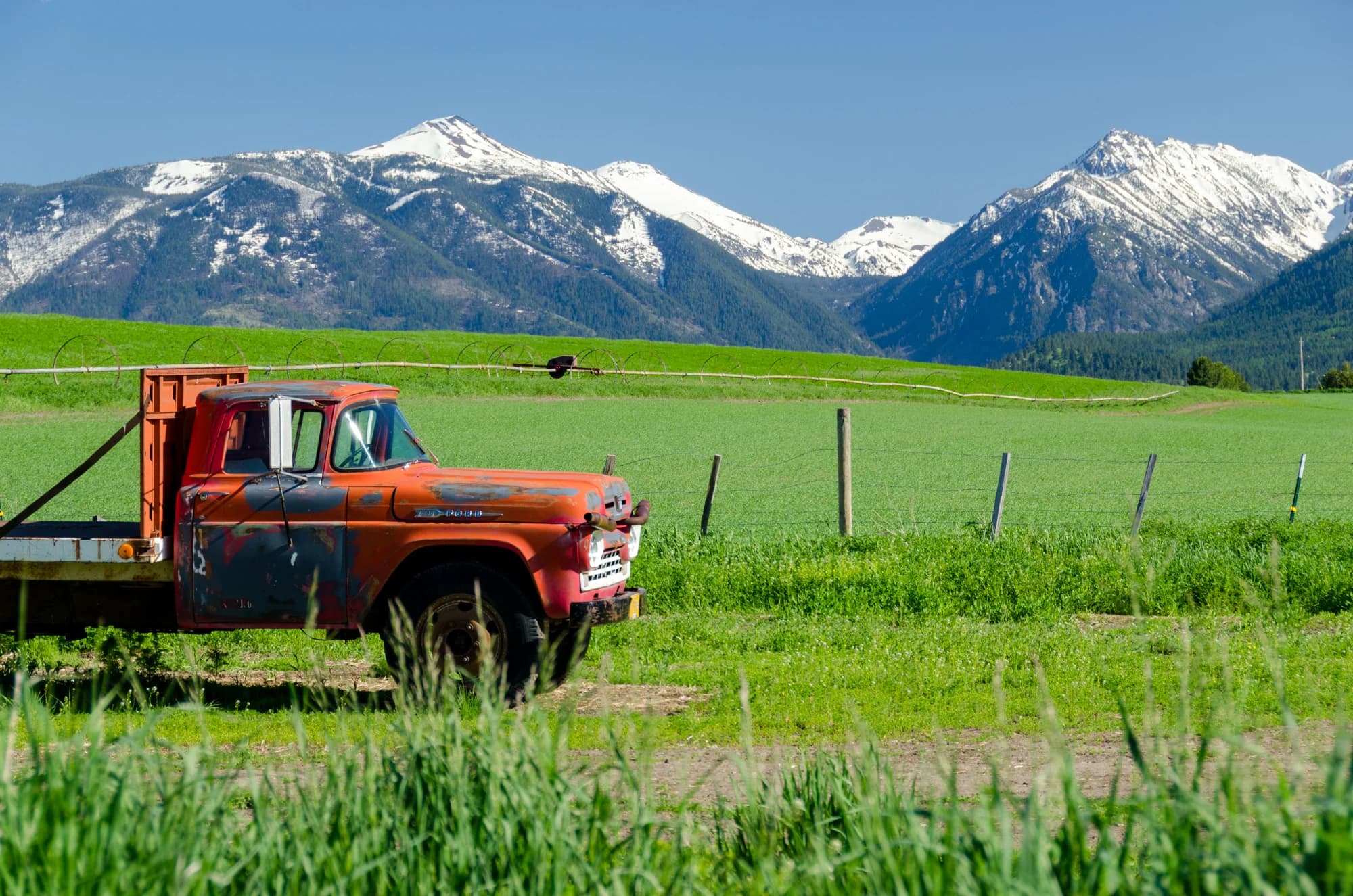
An old truck in a field near Enterprise, with the Wallowa Mountains behind it.
Chapter 04 Work & livelihoods

The sawmill, the foundry, and the city crew

In 1998 Justin Doherty walked out of Joseph High School and into the sawmill. When the mill closed he poured bronze, and when he left the foundry he went to work for the city. One man’s path ties together industries a directory would list apart.

Read the story
The Enterprise Public Library building.
Chapter 06 Everyday life

Loving a place, and being able to stay

Friends brought a meal that lasted four days; a library lost a vote, and its books had to find new shelves. Loving Wallowa County and being able to stay here are two different questions.

Read the story
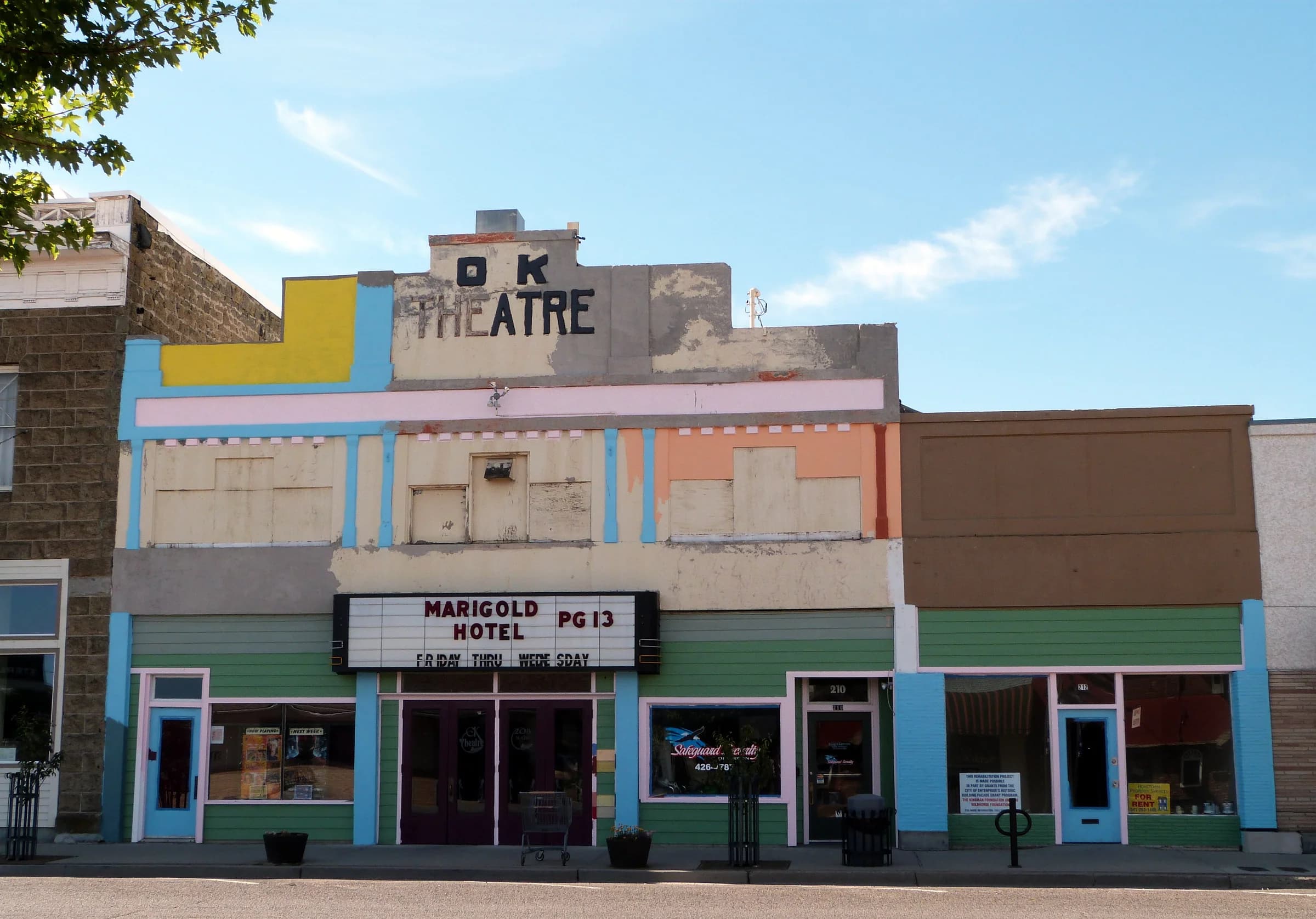
The OK Theatre facade in Enterprise. The marquee records a moment in the past, not a current program.
Chapter 05 Culture & gathering

A used book got you in the door

In 1899 you could join the Enterprise library by handing over a used book. A Grange brunch in Lostine, a writers’ gathering at Wallowa Lake and four file drawers of one woman’s papers finish the story.

Read the story