
Hear another perspective
A homeland bigger than the county
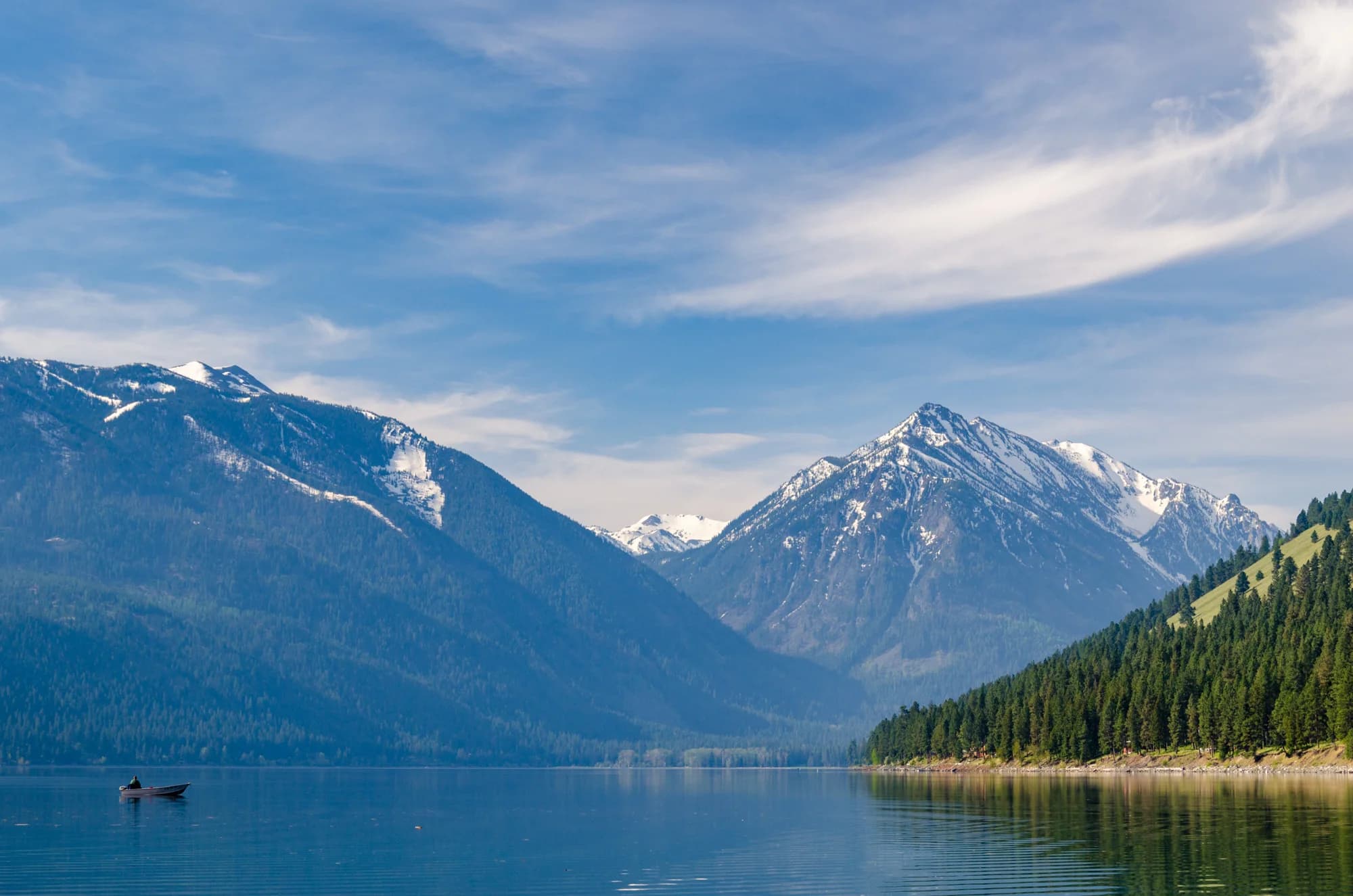
The Nez Perce Tribe, the government at Lapwai, Idaho, tells its own history across a country far larger than Wallowa County. Nimiipuu homelands reach into what are now Idaho, Oregon, and Washington. Journeys for food and trade went farther still. The valley was part of that lived network long before it became a county on an Oregon map.
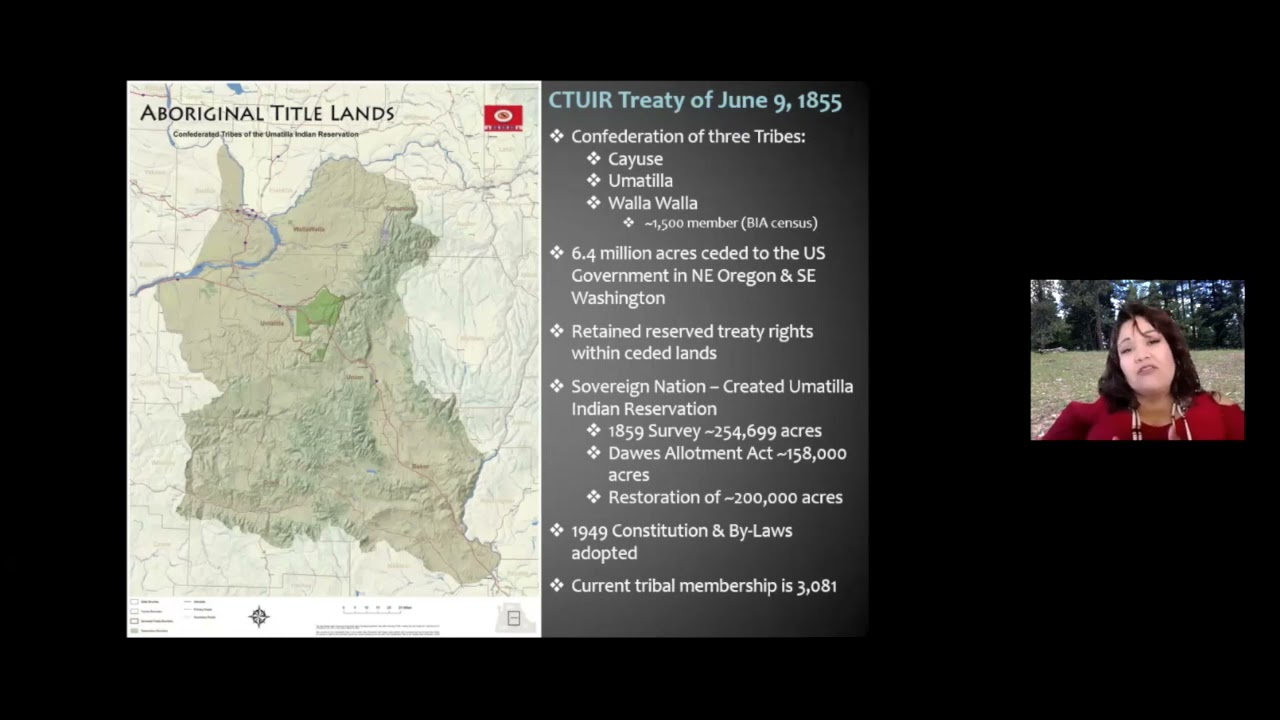
The Tribe describes the 1855 treaty reservation as about 7.5 million acres. Then gold was found. The Tribe describes mass trespass and theft on its reservation. The 1863 treaty cut the reservation to roughly 750,000 acres.
The Tribe also describes something that did not shrink: its sovereignty, and reserved rights to fish, hunt, gather, and graze beyond the reservation lines. These are part of the Tribe’s history and its standing as a government, not background color for a visitor guide.
So this county’s story works at two scales at once. There are the buildings and addresses a person meets in town. And there is the wider homeland that gives those places their meaning.
What the record shows: the Tribe’s history page is undated and describes the treaties and reserved rights in general; it does not discuss the Wallowa country by name.
Sources1

Published on YouTube by Nez Perce Wallowa HomelandWatch on YouTube (opens a new tab)
Tamkaliks Film ↗
Nez Perce Wallowa Homeland shares this film of Tamkaliks, connecting the celebration with continuing Indigenous life in Wallowa country.
Source, dates & recording context ↗Photographs of people fishing in the 1930s
Local history often jumps straight from 1877 to a much later celebration of return. A set of photographs fills in that gap. Historian Marilyn Hulse, writing about the Wallowa History Center’s Benjamin Curtis collection, found 1930s pictures of Nez Perce visitors in the lower valley. She describes people coming back from Lapwai and Pendleton to fish.
Those photographs do not show every family or every year. But they do show that removal did not mean disappearance. A person could live away from the valley and still know it as home. A line on a map could change without changing what a family knew about a river.
Nez Perce Wallowa Homeland dates the start of its organized work to 1989. The years between removal and that founding were not empty. People kept coming back.
What the record shows: Hulse describes one photograph collection. The pictures stay with the Wallowa History Center, and they do not record every family or every year of visits.
“A person could live away from the valley and still know it as home.”
The Tribe’s biologists on the Lostine River
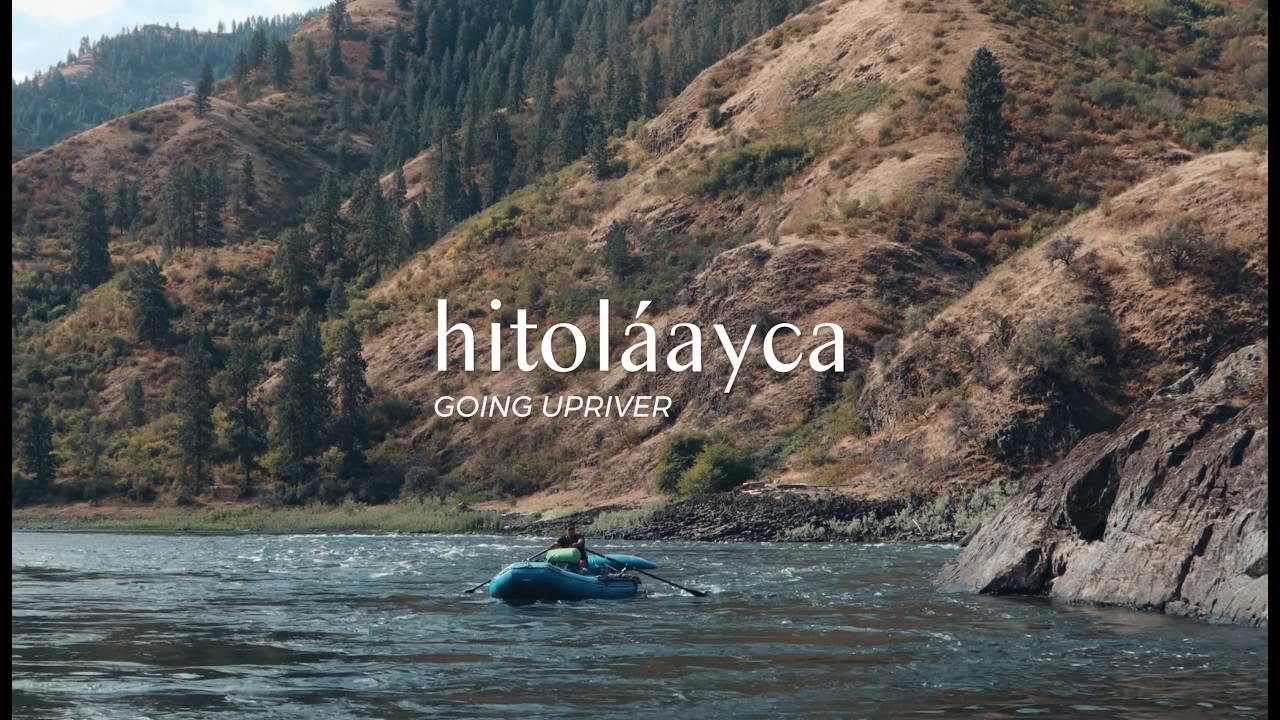
The Nez Perce Tribe runs a Department of Fisheries Resources Management. Its published project list includes the Lostine River Supplementation Project, right here in the county. The department describes its work as raising fish, doing research, managing harvest, enforcing rules, and restoring watersheds.
The department ties that work directly to treaty rights and to the health of future fish runs. So the Tribe’s presence in the valley is also technical and governmental. It means keeping up facilities, gathering data, checking how many fish survive, setting harvest, and fixing habitat. Cultural continuity and modern science sit side by side in the Tribe’s own description.
Seen this way, the river is more than scenery or a place to camp. It raises plain questions. Who is doing the research? Whose responsibilities does the work serve? And how does anyone judge, year by year, whether the fish are recovering?
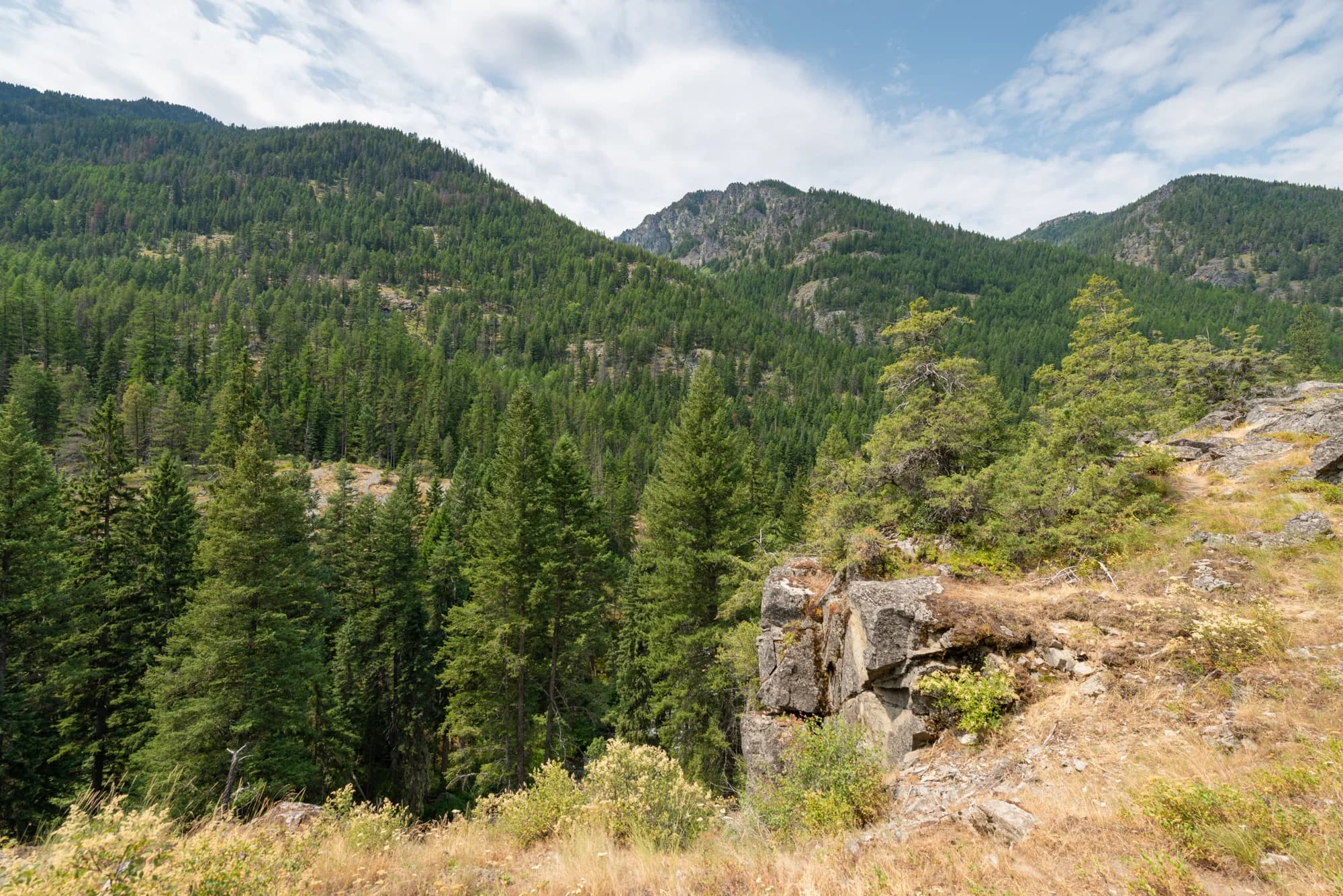
What the record shows: the department’s page is undated and names the Lostine project in a list only, without dates, numbers, or results.
Sources4
The keys to a church in Wallowa
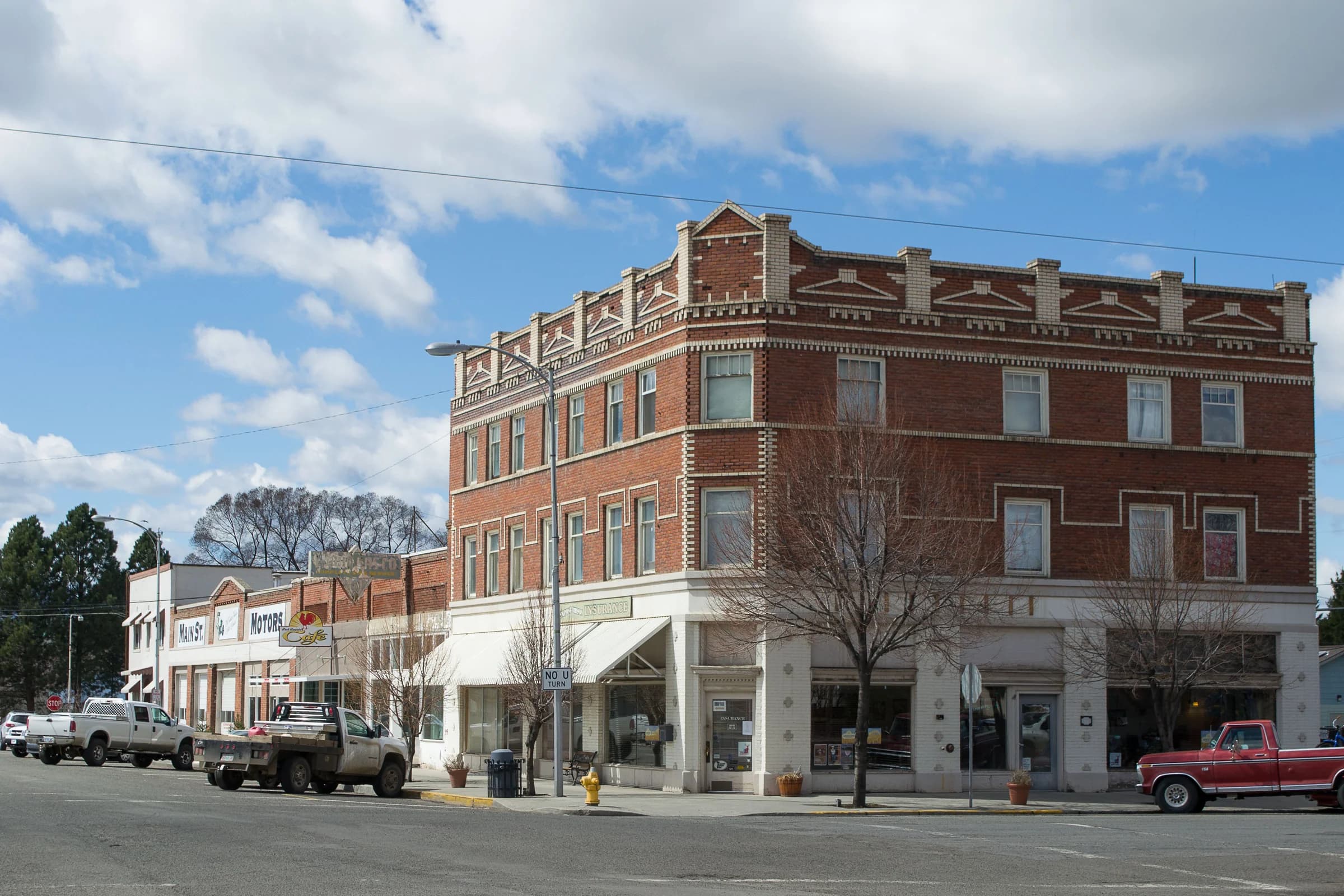
In April 2021, in the town of Wallowa, the Oregon-Idaho Conference of the United Methodist Church handed over a former church. The Nez Perce Tribe, the government at Lapwai, received the keys and the deed. The gift included the church, its lot, and another lot behind it. Kristen Caldwell’s report quotes Casey Mitchell, then vice-chair of the Nez Perce Tribal Executive Committee. He said: “It is well known that Wallowa has always been home to the Nez Perce people.”
The building had lived several lives. It was built as a Presbyterian church in 1910. In 1940 it became the Methodist congregation’s home. That congregation closed in 2019. Membership had fallen, and the building cost money to keep up.
At the 2021 ceremony, Rev. Allen Buck spoke. He is a member of the Cherokee Nation and pastor of Great Spirit United Methodist Church in Portland. He acknowledged the role churches played in colonization. The deed turned that acknowledgment into something a person could hold.
When the report appeared, the Tribe was still deciding how to use the property. A deed is one government’s to hold, and a building can mean different things on different sides of a small town. The report records the ceremony; what the town made of it, and what came next, is not in it.
What the record shows: the April 30, 2021 report records a ceremony and says future uses were still under consideration. It does not say how the building is used today, and it does not record how the town received the transfer. The recipient is one government, at Lapwai; the next section names the three nations the valley’s descendants belong to.
Sources5
A plan that looks a hundred years ahead
In 2023, Nez Perce Wal’áwa Homeland adopted a strategic plan with three horizons: ten years, thirty years, and one hundred years. The nonprofit describes itself as led by tribal and non-tribal people. It is separate from the sovereign tribal governments, whose citizens and descendants take part in its work, and the plan lists three of them as contributors: the Nez Perce, Umatilla and Colville tribal governments, the nations in which the valley’s descendants live today.
The plan asks for far more than a good gathering once a year. It links return to places to live, jobs, raising families, access to the land, and continuing cultural practice. It names the practical barriers too: travel costs and housing. And it puts repairing relationships on the same list.
That is a demanding idea of welcome. A weekend event can bring people together for a few days. The ability to live, work, and raise a family here asks much more of a place.
What the record shows: these are the goals a nonprofit adopted in 2023, not a record of what has been achieved. The nonprofit is not a tribal government.
Sources6
The people who should tell it
The Josephy Library holds an audiovisual collection: recordings kept with their original context. A written story like this one can line up dates and institutions. It cannot stand in for the priorities, language, and disagreements of the people whose homeland this is.
The answers to what follows belong to living people. Their voices need room beside the treaties, the plans, and the fisheries reports.
Open questions:
Who gets to explain what return means?
Which relationships have continued outside the public record?
What would younger generations need in order to make their lives here?
What the record shows: the recordings stay with the Josephy Library. This atlas links to them and has not obtained transcripts or permission to republish them.
Follow the evidence
Sources & further reading
- History and continuing cultural life ↗Nez Perce Tribe · Accessed 2026-09-13
- History Tidbits: Nez Perce in Lower Valley ↗Marilyn Hulse / Wallowa History Center · Accessed 2026-09-13
January 3, 2024; describes Benjamin Curtis’s photographic collection. Photographs remain with the holder pending item-level permissions.
- The history of the Homeland organization ↗Nez Perce Wallowa Homeland · Accessed 2026-09-13
- Fisheries Resources Management ↗Nez Perce Tribe · Accessed 2026-09-13
The Tribe’s own description of its fisheries program, including Lostine supplementation.
- Wallowa UMC returned to the Nez Perce Tribe ↗Oregon-Idaho Conference, United Methodist Church · Kristen Caldwell · Accessed 2026-09-13
April 30, 2021. Reports transfer of keys and deed, including the church lot and a lot behind it; future uses remained under consideration. Does not establish current use or imply a partnership with this atlas.
- Nez Perce Wal’áwa Homeland strategic plan ↗Nez Perce Wal’áwa Homeland · Accessed 2026-09-13
Adopted 2023. Presence and belonging; 10-, 30- and 100-year horizons. The organization’s plan connects homecoming with family life, work, cultural practice and stewardship over generations. It is a nonprofit’s own plan; the organization and sovereign tribal governments are distinct.
- Audio and visual archives ↗Josephy Library · Accessed 2026-09-13
Recordings remain with their original host. Links are provided; republication permission and full checked transcripts have not been obtained.
- Library collections and exhibits ↗Josephy Library of Western History and Culture · Accessed 2026-09-13
How to read the evidence
- Documented history / Project record
- What the cited records say happened, with their dates and their limits attached.
- Reported experience
- What a person or an organization said, credited to them and not treated as everyone’s experience.
- Analysis
- Our reading of the records. Argue with it through the sources it cites.
- Open questions
- What the record does not yet answer.
Every claim is held to the same standard. That does not make every claim equally well supported.