What people are trying
A dam being rebuilt so sockeye can reach the lake. A ridge bought so it stays open. Apartments rewired one at a time. Free Monday dinners in Joseph. Loan funds built for Native borrowers. None of it is a promise, and some of it is argued over. Here is what has been tried, what is being tried now, and the questions about 2046 you can answer yourself.
For people who run organizations and sit on boards. For candidates and voters. For anyone with an idea who wants to know what has already been done.
Start here ↓
Three to read first.
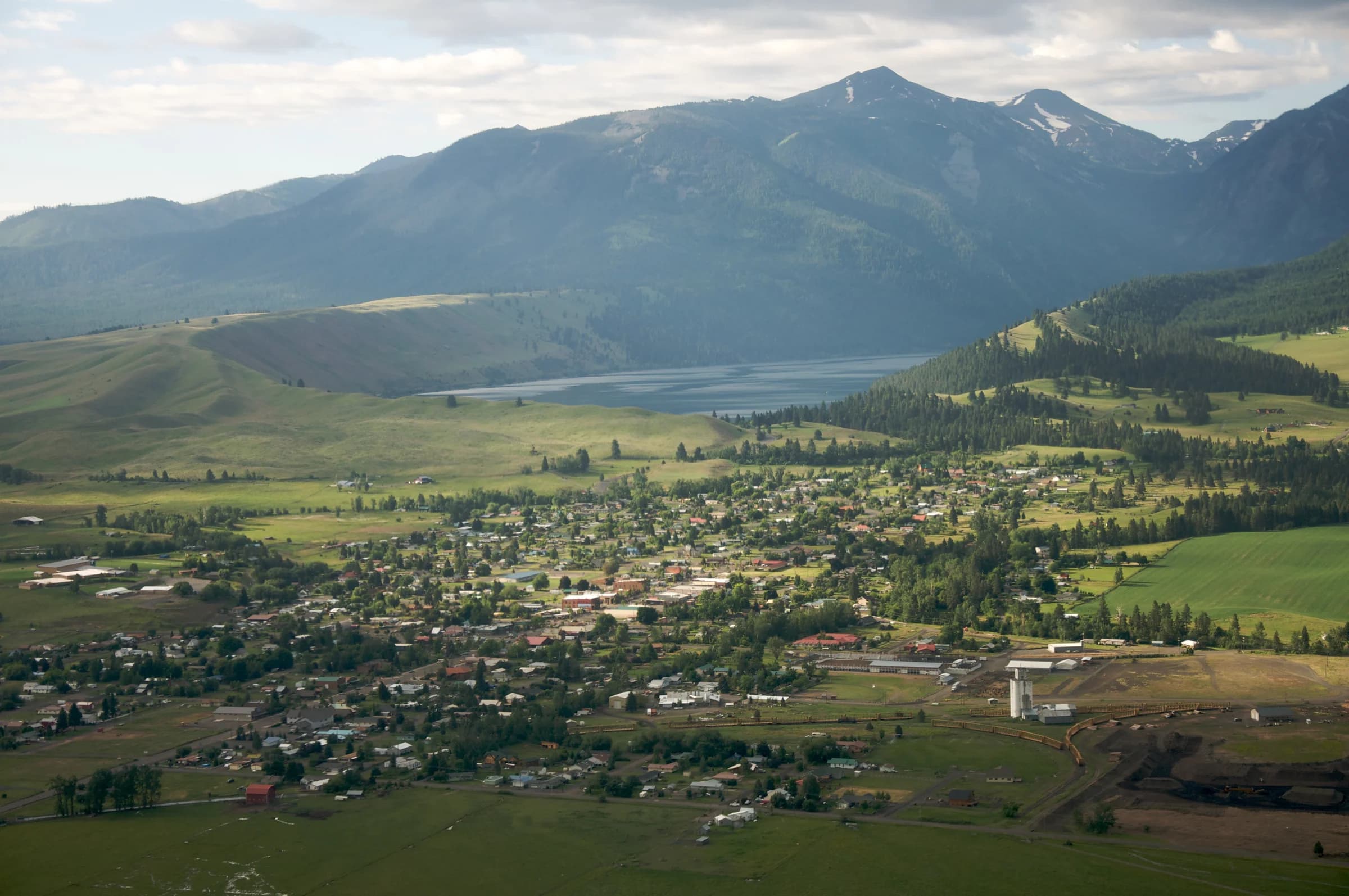
Home, twenty years from now
Twenty years back and twenty years forward, seven storylines, three ideas to test, and nine questions.
Read it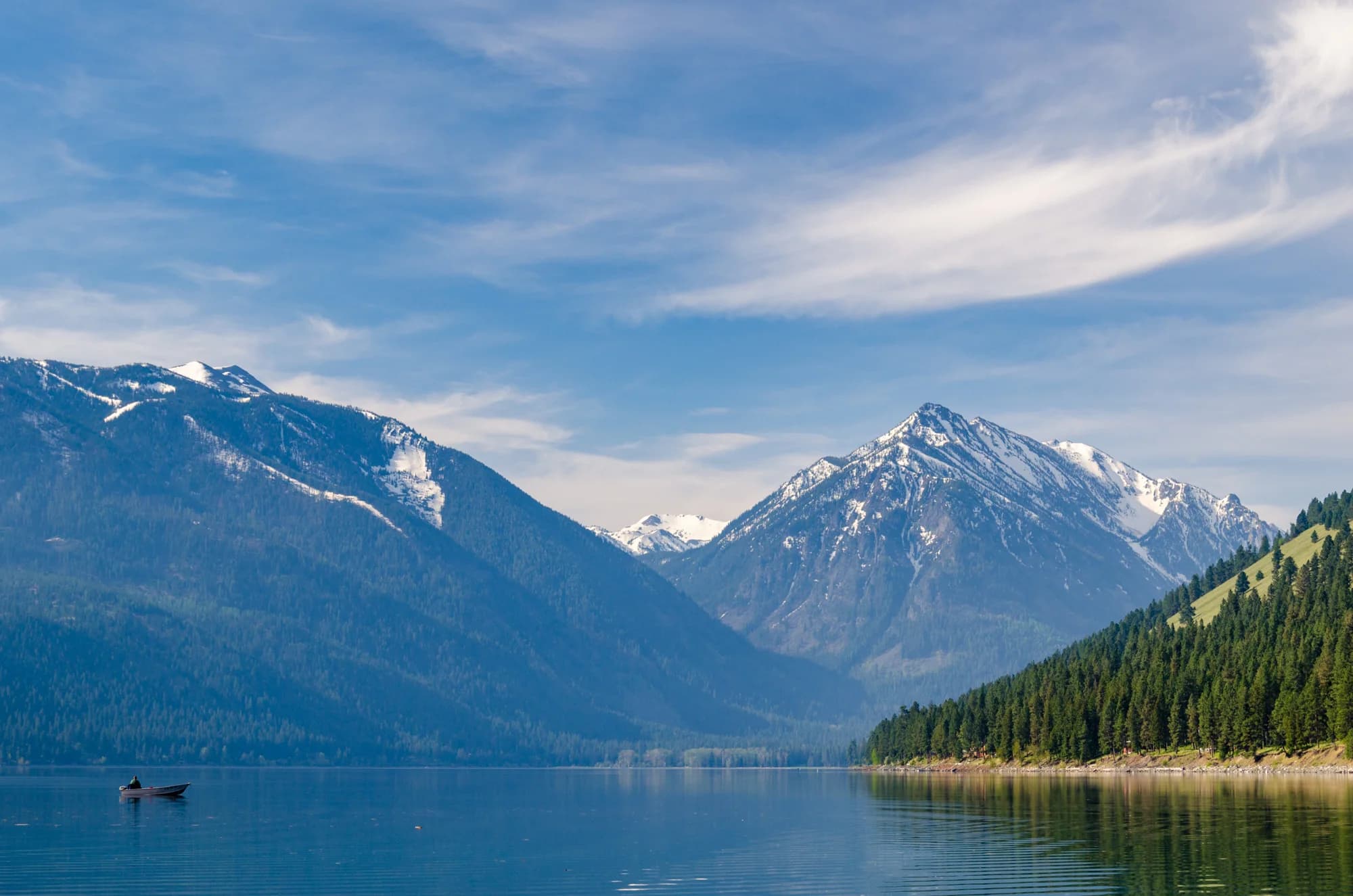
Fish, farms, and the ridge above the lake
The dam, the coho and the ridge: deals that took a signature from everyone with a claim.
Read it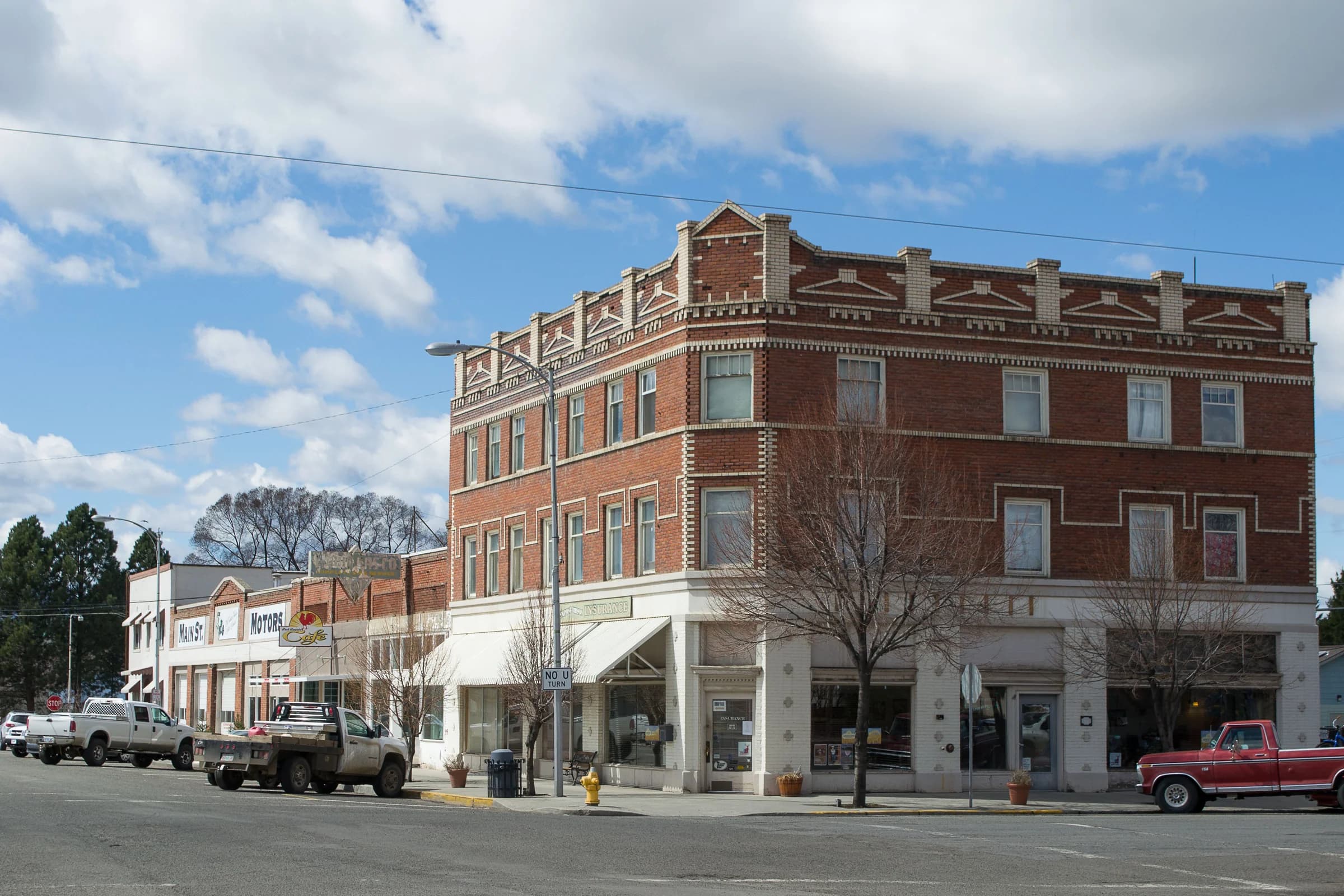
Where does the money come from to start something here?
The programs that lend, match or guarantee money for a person starting something here.
Read itWhat the record shows.
The county has decided for itself before
The choices people pointed to when they said the place should keep its pace.
People who want the pace of change kept pointed to the moraine, the vision statement and the airport kept at Joseph; people who want change pointed to the same record as proof the county can act. The border votes show how close its arguments run.
Sources: Wallowa Resources, Undated page; Oregon State University Extension Service and Rural Studies Program, with Wallowa Resources, NEOEDD and The Ford Institute for Community Building, February 2010; data vintages 2000–2009; Wallowa Land Trust, January 21, 2020; Wallowa Land Trust, February 8, 2023 (signing January 26, 2023); Oregon Department of Fish and Wildlife, September 23, 2020; KOIN, June 2023; Wallowa County Chieftain, May 19, 2026; Wallowa County Chieftain, September 3, 2026
The numbers as a table
| When | What happened |
|---|---|
| 1996 | Wallowa Resources is formed in Enterprise after the mills close, to keep working land and work together. |
| 2006 | A county vision statement asks for “wide-open spaces and intact ranchlands” and “a County with no mega anything.” |
| 2009 | The first Vital Wallowa reading finds the county “roughly three-quarters vital, with some clear work to do.” |
| January 2020 | 1,791 acres of the East Moraine above Wallowa Lake pass into county ownership after almost $6.5 million is raised. |
| September 2020 | The irrigation district, the Nez Perce Tribe, the Umatilla tribes and the state agree on water releases from Wallowa Lake, the condition for rebuilding the dam with fish passage. |
| January 2023 | An easement makes the moraine’s protection permanent. |
| May 2023 | A measure requiring the commissioners to discuss joining Idaho passes by seven votes. |
| May 2026 | Voters repeal it, 2,044 to 1,319. |
| September 2026 | Work begins on the dam, with a fish ladder to follow by 2028. |
A century without a way past, then eight years of paper, then a crew
People named the dam as the biggest thing happening in the county and the clearest case of the irrigators, the county and the tribes building one thing together. Sockeye eggs from Idaho were hatched and released in 2024 so that returning adults can seed a new run.
Sources: Oregon State Legislature, submitted for the Wallowa Lake Irrigation District, 2021; Columbia Basin Bulletin, 2003; Oregon Department of Fish and Wildlife, September 23, 2020; Oregon Department of Fish and Wildlife, 2023; Wallowa County Chieftain, January 9, 2026; Wallowa County Chieftain, September 3, 2026
The numbers as a table
| When | What happened |
|---|---|
| 1919 | The irrigation district dates the first concrete dam at the lake’s outlet to this year; it is raised in 1920 and 1929, with no way for a fish to pass. |
| 1926 | The last sea-run sockeye anyone remembers is seen in the Wallowa River, the year the dam reaches full height. Canneries had taken about 12,000 sockeye in two years in the 1880s. |
| 1996 | The state lists the dam as high-hazard. The district may store only about 70% of the water it holds rights to. |
| September 2020 | The district, the Nez Perce Tribe, the Umatilla tribes and the state agree to release up to 5,000 acre-feet a year for the rivers, the condition for $14 million in state lottery money. The estimate is about $16 million. |
| 2022 | A federal conservation fund gives the tribes just over $5 million to reconnect the lake for sockeye. The estimate reaches $21 million. |
| December 2025 | The Court of Appeals throws out a rule that would have let the dam’s owner trap fish and truck them around it. The district had already agreed to a ladder. |
| September 2, 2026 | Work begins under a first-phase contract of $31.6 million: a lowered spillway, new gates and outlets, a screened intake. The ladder follows, to finish in 2028. |
More to read.
Watch this part of the story.
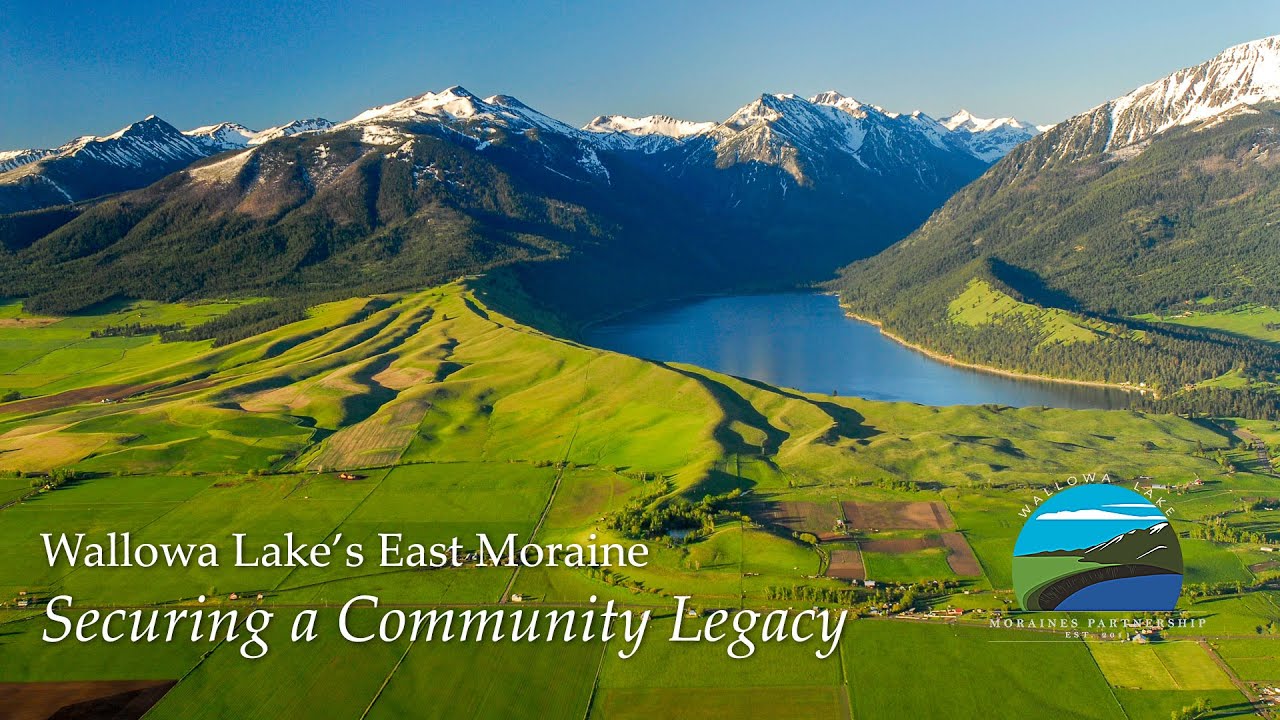 5:55
Wallowa Lake's East Moraine: Securing a Community Legacy
From Wallowa Land Trust · 2019
 25:36
hitoláayca (Going Upriver)
From NRS · 2026
 2:14
Lostine Canyon Forest Health
From Wallowa Resources · 2020
 2:08
Woodlands & Watersheds Festival 2024
From Wallowa Resources · 2025
The records behind it.
Pandion Institute
A Joseph nonprofit, formed in 2023, that takes Nez Perce descendants and other Native youth onto the rivers and lands of the Columbia Plateau to learn, guide and lead.
Wallowa Resources
A local organization connecting stewardship, education, and rural employment.
Wallowa Lake
A landscape of water, moraines, memory, and continuing stewardship.
Working Homes
A nonprofit that buys, repairs and builds homes for the county’s workforce, including the EM&M apartments in Enterprise.
Nez Perce Wallowa Homeland
A place for cultural life, gathering, and connection to the Wallowa homeland.
Answer a 2046 question
Nine questions about the next twenty years, answered in your own words and published only with your permission.
See the questions