Wallowa Valley & Elgin · 2010–2012, with a 2026 source check · 4 min read
The long way home for Wallowa beef
A Wallowa County rancher could raise the steer, but selling you a steak from it meant sending the animal out of the county first. Two ranches dealt with that in two very different ways.
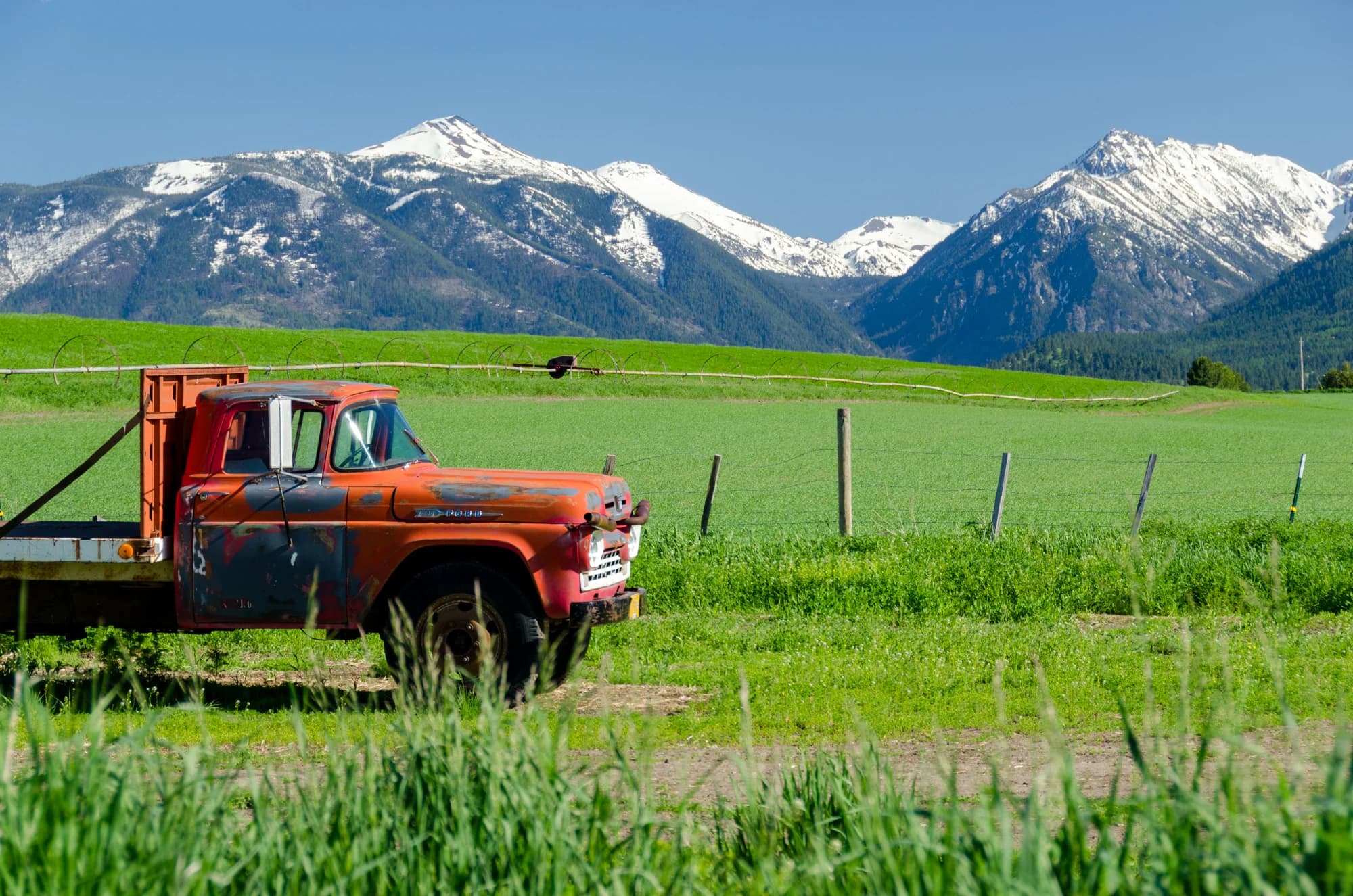
Working land near Enterprise. Landscape context; this photograph is not identified as 6 Ranch or Carman Ranch.Gary Halvorson, Oregon State Archives · 14 June 2011 · CC BY 4.0 · Image & source ↗
In this story 5 sections
Documented history
Why you could buy half a cow but not a steak
In 2012, Joshua Russell wrote a food assessment for Wallowa County. He found cattle all over the valley and a gap in the middle of the chain. Raising an animal and putting its meat in a grocery case took two different sets of arrangements.
Local custom-exempt processors and a mobile slaughter service handled animals for people buying a share for their own freezer. Meat that would be sold again, by the cut, had to go to an inspected facility outside the county.
That is why a processor down the road could serve a family buying part of a cow and still not meet a restaurant’s needs. The restaurant needed cuts it could buy and put on a menu.
What the record shows: the 2012 assessment describes the rules and businesses of that year. It is history, not a guide to current licensing.
Jeff Stafford ran a custom meat shop in Elgin. In 2010, Oregon Rural Action started working with him to bring the shop under federal inspection. His main worry was whether there were enough ranchers to keep an inspected plant busy.
The organizers surveyed producers and helped him find technical assistance. Stafford put it this way: “They are driving their cows right past my door. I can save them money, it will be better for the animals, and it will help my business, too.” Permits came through in the summer of 2012.
Liza Jane Nichols of 6 Ranch was one of the first to bring cattle. The plant had a lasting problem, though: finding skilled meat cutters and keeping them. A permit and a cutting floor can open a business. It still needs people who know how to break down a carcass.
A closer look
The processing connection · 2010–2012
Ranch
6 Ranch: production, customer relationships, and marketing.
Processor
Stafford’s in Elgin: inspected slaughter and cutting, with skilled labor essential.
Market
Restaurants, retail customers, and a farm stand: different orders and quantities.
A schematic of documented roles, not a shipment map. The reports connect 6 Ranch to Stafford’s and describe local retail outlets, without tracing an individual animal through every step.
What the record shows: an undated Western Organization of Resource Councils case study, an advocacy network’s account of its member’s organizing from 2010 to the summer 2012 approval. It does not audit Stafford’s profits or the ranchers’ earnings.
Cory Carman told a different story in February 2011. Her main prospective buyers, hospitals and universities, could not afford her ranch’s beef. Nearly 40 percent of her costs came after the cattle left the ranch.
So she found a distributor that would buy whole animals, accept a seasonal supply, and open the door to a larger processing plant. The price of the beef dropped 15 percent right away, she wrote in 2011.
Put the two ranches side by side and no easy rule falls out. For 6 Ranch, a closer inspected plant opened a route to market. For Carman Ranch, a bigger network reached customers who could not pay the old price. Nearer is not always better, and scale by itself is not the answer either.
What the record shows: figures come from Cory Carman’s February 24, 2011 first-person essay about her own business at that time. They are not a countywide cost breakdown, a present price comparison, or a measured profit margin.
Look at Carman Ranch’s website today, as the atlas did in September 2026, and you find three ways to buy. The cow-share program takes animals from the family ranch to a nearby butcher, and customers buy shares. The wholesale program draws on a wider group of producers, with processing in Brownsville, Oregon. Direct sales include partner ranches outside Wallowa County.
So a Carman label does not mean the meat was raised inside the county line. It might have been, or it might have come from a partner ranch somewhere else.
That is the trouble with drawing an industry by county boundary. The ranch, the processor, the distributor, and the customer can all sit in different places.
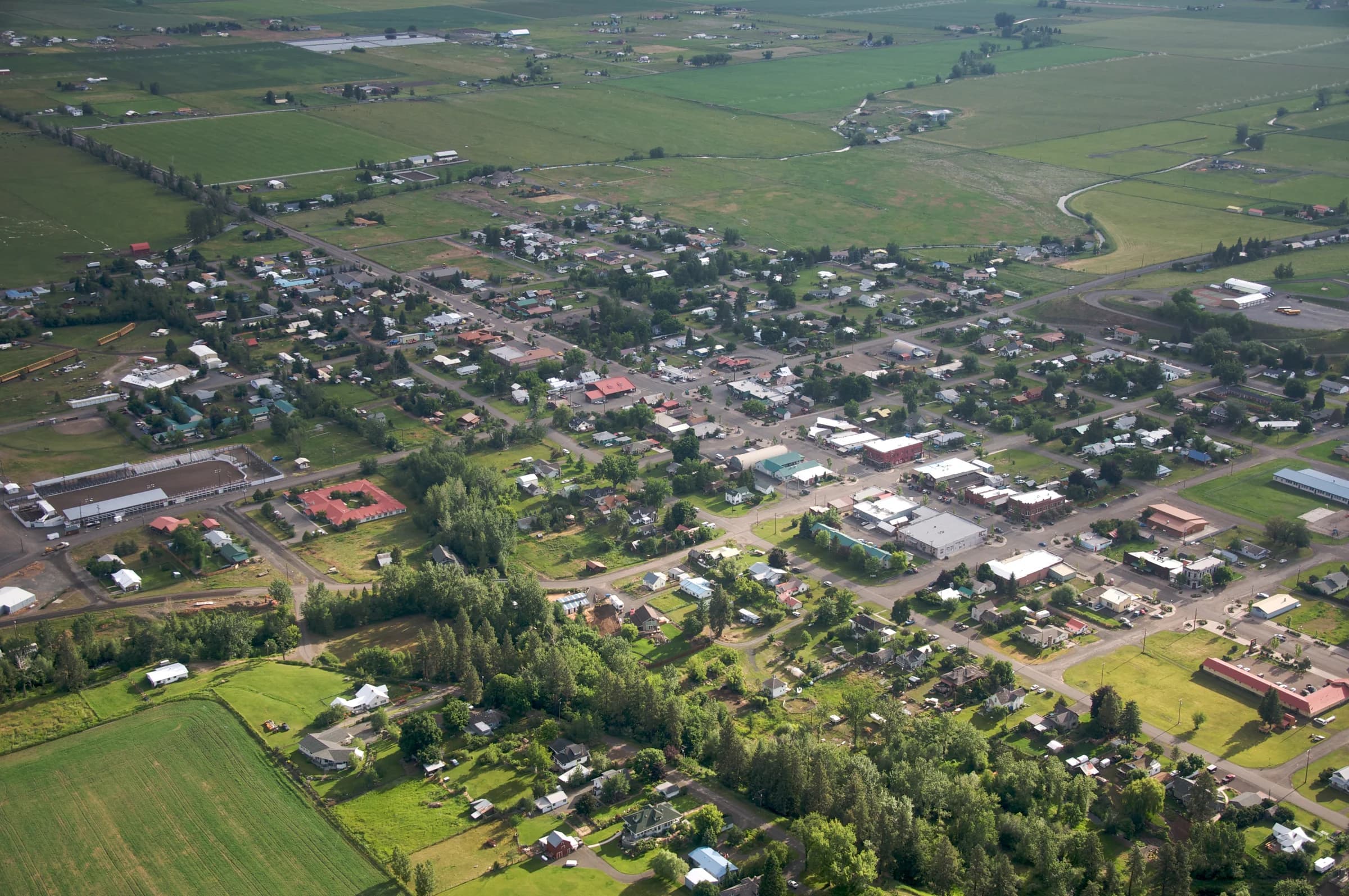
Joseph and its surrounding fields. A view of town and agricultural land, not evidence of a particular producer’s acreage or supply chain. Sam Beebe · 2007-07-08 · CC BY 2.0 · Image & source ↗
What the record shows: the business’s own description of itself, on an undated web page examined in September 2026.
What would it take to keep more of the money here?
There is more than one win to count. The rancher could get a better price. The processor could hire more cutters.
The distributor could spend less on trucking, and the shopper could pay less at the counter. None of these has to come with the others. A higher sale price says little about what a rancher clears until you know what it cost to get it.
The word local hides the same problem. It can mean where the animal was raised, where it was cut, who owns the business, or where the customer lives. A useful map of this industry names each link separately instead of stamping local on the whole chain.
The history here is clear enough. Whether a new plant, a shared delivery route, or a new sales channel would work now needs a fresh business case. These stories supply the questions, not the answer.
Open questions:
How much processing capacity is there now, and how full does it stay through the year?
What do meat cutters and other workers earn?
Who hauls the beef, and who pays for the trip?
How much of the beef ends up in restaurants, in grocery cases, and in home freezers?
Joshua Russell, RARE AmeriCorps; NEOEDD and Oregon Food Bank · Accessed 2026-09-13
Publication: 2012. Locator: Printed/PDF pp. 7–8 methodology; 12–13 6 Ranch; 16–18 processing and distribution. Year established internally by 2012 survey/report context; 2023 URL is upload path. Survey 133 respondents was not a probability sample. Regulations and businesses described historically, not current guidance.
Western Organization of Resource Councils · Accessed 2026-09-13
Publication: undated. Locator: Printed/PDF p. 21, Stafford’s upgrade from custom exempt to USDA-certified; p. 2 publisher statement. Advocacy network recounts work by member Oregon Rural Action. Undated PDF, with summer 2012 event; not independent financial or employment audit.
February 24, 2011. First-person essay; paragraphs on institutional customers, processing costs, and distribution. Business experience and price changes are author-reported, not an independent financial audit.
Undated page examined September 13, 2026. Locators: Get Carman Ranch → Carman Ranch Direct, Cow Share, Wholesale. Producer description; no independent verification of profitability or environmental performance. Images remain linked at source, not licensed for republication.
How to read the evidence
Documented history / Project record
What the cited records say happened, with their dates and their limits attached.
Reported experience
What a person or an organization said, credited to them and not treated as everyone’s experience.
Analysis
Our reading of the records. Argue with it through the sources it cites.
Open questions
What the record does not yet answer.
Every claim is held to the same standard. That does not make every claim equally well supported.
A Wallowa County rancher can raise a steer from birth and still not be able to sell you a steak from it without sending the animal out of the county to be killed and cut. One ranch found that nearly 40% of its costs came after the cattle left the ranch. That is the question under every industry here: between the thing made and the thing sold, who gets the money?