What is hard about staying
Six in ten of the 86 county residents who answered the Oregon Voices survey said they love where they live. Fifty-eight percent also said families are having trouble making ends meet. The hard parts have names: a year-round home, a wage that outlasts the season, money to start something, and help that arrives before winter. These guides lay out what the records say, and what they cannot yet say.
For the people trying to hire, house, teach or treat their neighbors. For anyone looking for a place to live. For the candidates and commissioners who will be asked about all of it.
Start here ↓
Three to read first.
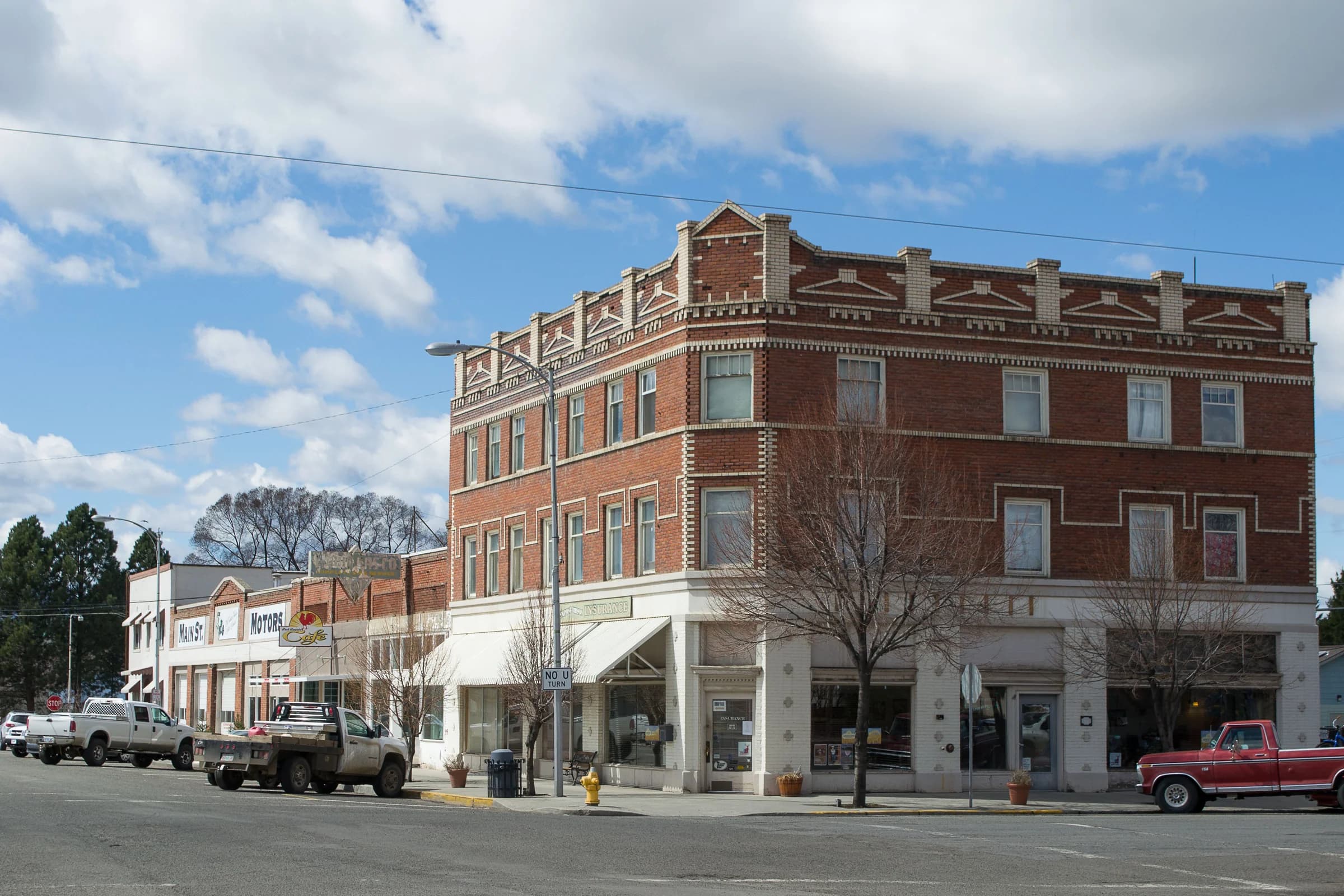
The price of staying
What people here said is hard, counted without names, beside what the county’s own numbers show.
Read itWhat does it take to find a year-round home here?
What a home costs here, why the numbers need their dates, and what was on the market in October 2026.
Read itWhere does the money come from to start something here?
Who lends in the county, including the lenders built for Native borrowers, and what none of them can do.
Read itWhat the record shows.
Half of the county’s personal income does not come from a paycheck
Personal income of county residents in 2024, $509.3 million in all.
Transfer payments are money residents receive from government programs rather than from work. Within earnings, government employers, which here include the hospital district and the schools, paid $79.7 million and farms $24.9 million. Earnings are what remains after the other two parts.
Source: U.S. Bureau of Economic Analysis, 2024 estimates, released 2025
The numbers as a table
| Millions of dollars, 2024 | Share | |
|---|---|---|
| Earnings from work, after social insurance contributions | $253.3m | 49.7% |
| Transfer payments: Social Security, Medicare, Medicaid and other program income | $147.9m | 29% |
| Dividends, interest and rent | $108.1m | 21.2% |
One home in seven is kept for the season
The county’s 4,349 homes in the 2020 to 2024 estimates.
The seasonal count is the only published measure of second homes, and it misses homes owned from outside but rented out. People in conversation put the second-home share at about one in four; the two people who sell houses said most true second homes are cabins at the head of the lake.
Source: U.S. Census Bureau, 2020–2024 five-year estimates
The numbers as a table
| Housing units | Share | |
|---|---|---|
| Lived in year-round | 3,387 | 77.9% |
| Vacant, kept for seasonal or recreational use | 630 | 14.5% |
| Vacant for other reasons: for sale, for rent, between tenants, other | 332 | 7.6% |
More to read.
Watch this part of the story.
The records behind it.
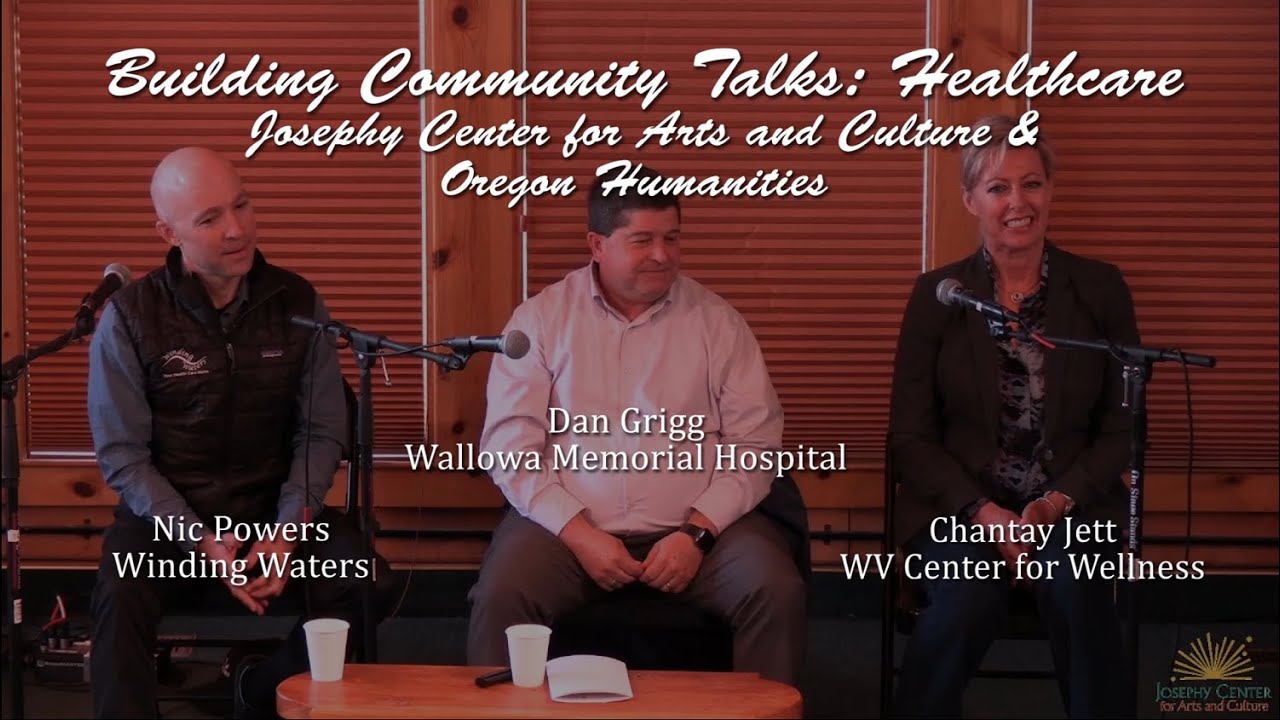
Wallowa Memorial Hospital
A rural hospital serving residents and visitors of Wallowa County.
Working Homes
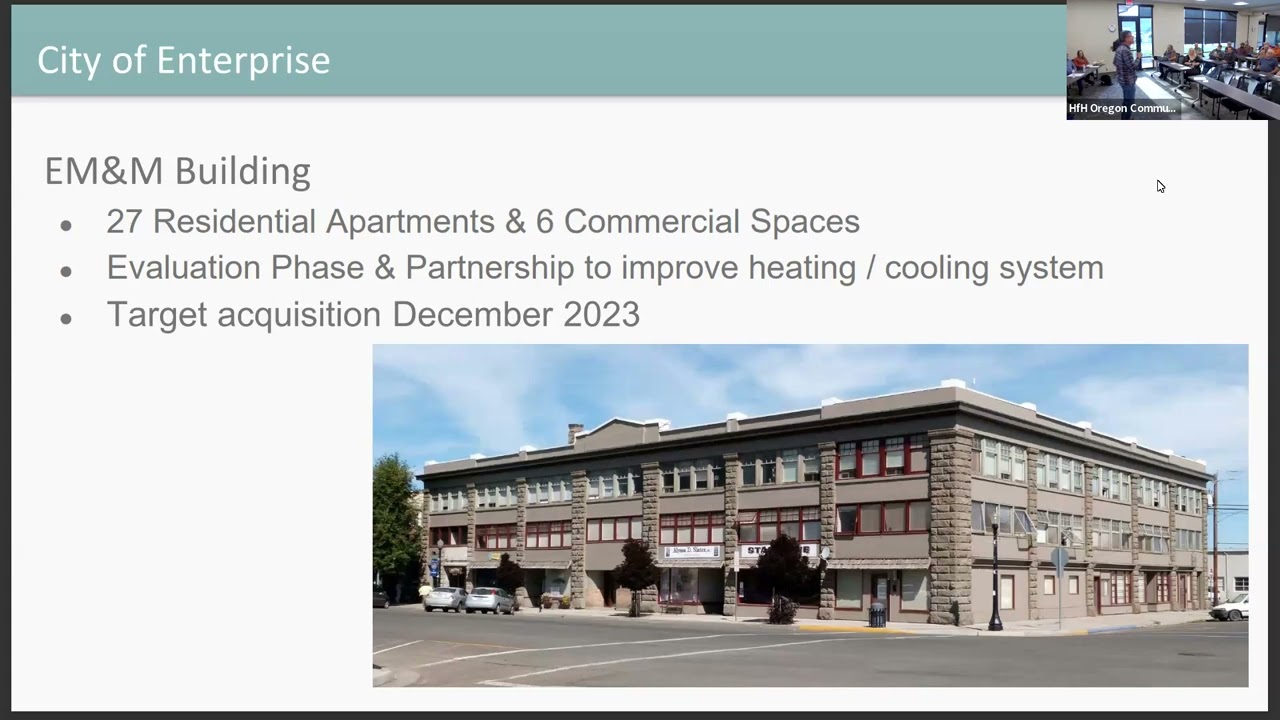
A nonprofit that buys, repairs and builds homes for the county’s workforce, including the EM&M apartments in Enterprise.
Northeast Oregon Economic Development District
The economic development district for Baker, Union and Wallowa counties, which keeps the regional strategy that public projects are listed in to qualify for some federal money.
Building Healthy Families
A family support and education nonprofit established in 1999, based in Enterprise and serving Wallowa, Union, Baker and Malheur counties.
Wallowa Resources
A local organization connecting stewardship, education, and rural employment.
What would it take for you, or your kids, to stay?
The 2046 questions ask for your experience, not a policy. Twenty people answered in October 2026; their themes are counted without names.
Add one thing