What turns emergency help into recovery?

On the night of August 11, 2022, hail broke windows across the town of Wallowa. By the next day a lumber yard in Joseph had plywood on the way, and covering the holes took a night. Repairing the houses took money that arrived in late September, contractors who were already short, and years. The money and the work ran on different clocks, and this guide keeps them apart.

Wallowa’s city hall and fire station in September 2013, nine years before the storm.
Wallowa’s city hall and fire station in September 2013, nine years before the storm. Ian Poellet · 2013-09-10 · CC BY-SA 3.0 · Image & source ↗
In this guide 4 sections
Analysis

A tarp is not a roof

Three different jobs followed the storm, and they are easy to run together. The first was getting people through the night: plywood over a window, a tarp over a roof. The second was keeping them going: a windshield replaced so someone could drive to work. The third was permanent repair, the only one that ends the story.

The reports show materials arriving, small grants offered, a state appropriation approved and contractors sought. Each is a stage, not a score. An organization can be very good at one stage while a family is still stuck at the next.

Sources1. Eastern Oregon town damaged by hail storm recovers together2. Neighbors Gather Together After Extreme Hailstorm in Wallowa3. State sends millions to Eastern Oregon to deal with storm damage, pollution
Documented history

Two million dollars, and no one to hire

The state’s Emergency Board approved $2 million for Wallowa on September 23, 2022, six weeks after the storm. The same report records a shortage of window and siding contractors. Put those two facts side by side and you have the whole problem of recovery in a county of 7,400 people. The money was there and the hands were not.

Before the state money, a Lostine church offered grants of up to $500 for the first bills, deductibles and glass. The two sums were for different things, on different days, for different people. Adding them together tells you nothing about what was spent, or on whom.

Wallowa, 2022

Covering the holes took a night. Fixing the houses took years.

Served is not rebuilt, and a closed case is not a restored house. The story of the storm, with every source, is in the essay After the hail.

Sources: Oregon Public Broadcasting, Think Out Loud (Sage Van Wing; host Dave Miller interviewing Mayor Gary Hulse), August 25, 2022; Oregon Public Broadcasting (Antonio Sierra), September 29, 2022 (Emergency Board meeting September 23, 2022); Oregon-Idaho Annual Conference, The United Methodist Church, February 18, 2026 (grant period October 2022–April 2023); The Wallowa Record, October 2026

The numbers as a table
WhenWhat happened
August 11, 2022Hail smashes windows across the town of Wallowa in the night.
The first daysA lumber yard in Joseph brings plywood; two weeks on, the mayor estimates the share of homes damaged.
September 23, 2022The state’s Emergency Board approves money for the town. Contractors are already short.
October 2022 to April 2023A disaster case manager, paid by a $10,000 church grant, serves 324 Wallowa households; 30 cases are closed.
October 2026People in Wallowa say the recovery is largely complete: nearly every building has a new roof, after years of insurance fights and a contractor backlog.
A closer look

Follow the work, not the award

  1. Reach

    Does the household know where to turn, and can it say what it needs?

  2. Resource

    Is there money for this expense, and does the household qualify?

  3. Repair

    Can materials and a skilled crew reach the house?

  4. Confirm

    What got finished, and what still needs doing?

The sequence the published response describes. Stages overlap, and this is not an application process.
Sources3. State sends millions to Eastern Oregon to deal with storm damage, pollution2. Neighbors Gather Together After Extreme Hailstorm in Wallowa
Analysis

The neighbors came first. Whether everyone was reached is unknown.

The churches, the businesses and the city offices in the accounts were already here, which is why they could move in a day. What the record does not say is whether every household found them.

The people most likely to be missed after a storm are the ones without insurance, without a truck, or without the patience for a form. The record does not name them, and it should not guess.

Evidence note. The August 2022 appeal, as reproduced by the Rural Organizing Project, and the mayor’s August 25, 2022 radio interview name the churches, businesses and offices. Neither says who was not reached.

Sources2. Neighbors Gather Together After Extreme Hailstorm in Wallowa1. Eastern Oregon town damaged by hail storm recovers together
Project record

Thirty closed cases is not thirty finished houses

A church disaster fund paid for a case manager who worked with 324 Wallowa households between October 2022 and April 2023. The fund’s 2026 retrospective counts 30 cases closed. A closed case is a file, not a roof. Other programs count households, visits or payments, and none of the totals can be added until someone says what each one counts.

What the record supports is an account of an organized response and help that kept coming for months. What it leaves out is the end: when the last window went in, and whose losses were never made good.

Evidence note. The Oregon-Idaho Conference’s February 18, 2026 retrospective counts cases served and closed between October 2022 and April 2023. It does not say when the town’s repairs were finished.

Sources4. Honor UMCOR Sunday & OR-ID Disaster Response on March 15
Analysis

Compare approaches

What each approach is for, and what you would need to know to judge it
ApproachPurposeEvidence to examine
Small grants, fastPay one urgent bill within days: a deductible, a pane of glass.Who could apply, how long did the money take, and which bills were left?
A state appropriationPay for repairs far beyond what a church fund can carry.What was actually spent, which repairs were finished, and how did the estimates change?
A case managerWalk a household through the programs and the paperwork to the end.How was a case opened and closed, and was unmet need written down?
Sources2. Neighbors Gather Together After Extreme Hailstorm in Wallowa3. State sends millions to Eastern Oregon to deal with storm damage, pollution4. Honor UMCOR Sunday & OR-ID Disaster Response on March 15
Open questions

What would change the picture?

  • What was finally spent, and how many repairs were completed?
  • Which households were counted by more than one program?
  • What would it cost to keep a crew and a case manager ready before the next storm?
Follow the evidence

Sources & definitions

  1. Eastern Oregon town damaged by hail storm recovers together ↗
    OPB Think Out Loud; Sage Van Wing; Dave Miller interviews Gary Hulse · Examined 2026-09-13

    Publication: 2022-08-25. Locator: Transcript: insurance discussion; question beginning What have you already seen; Hulse answer on vouchers and plywood. Computer-created, volunteer-edited transcript; Hulse’s estimates remain attributed. Audio duration 10:46; quotation timecodes not checked.

  2. Neighbors Gather Together After Extreme Hailstorm in Wallowa ↗
    Rural Organizing Project; Kelli Bosak byline, Sidra/ROP sign-off · Examined 2026-09-13

    Publication: 2022-09-07. Locator: Opening update; reproduced appeal headed Hailstorm-Stricken Town of Wallowa Needs Help!, created August 14, 2022. Updated December 8, 2023. Fundraiser republication is not independent reporting. Damage/FEMA statements are organizer assertions, not an official eligibility determination.

  3. State sends millions to Eastern Oregon to deal with storm damage, pollution ↗
    Antonio Sierra, OPB · Examined 2026-09-13

    Publication: 2022-09-29. Locator: Opening Wallowa section, before Nitrates and flooding. Distinguish approved funding from completed repairs. Hulse’s testimony overlaps his earlier interview; legislative decision reporting adds a different evidence function.

  4. Honor UMCOR Sunday & OR-ID Disaster Response on March 15 ↗
    Oregon-Idaho Conference, United Methodist Church · Examined 2026-09-13

    February 18, 2026. Locator: OR-ID Conference UMCOR response by the numbers, October 2022–April 2023 entry. Reports a $10,000 Wallowa grant, case manager serving 324 households, and 30 cases closed. Service counts are not a verified number of repaired homes; statewide totals are not Wallowa totals.

The stories

Where these questions come from.
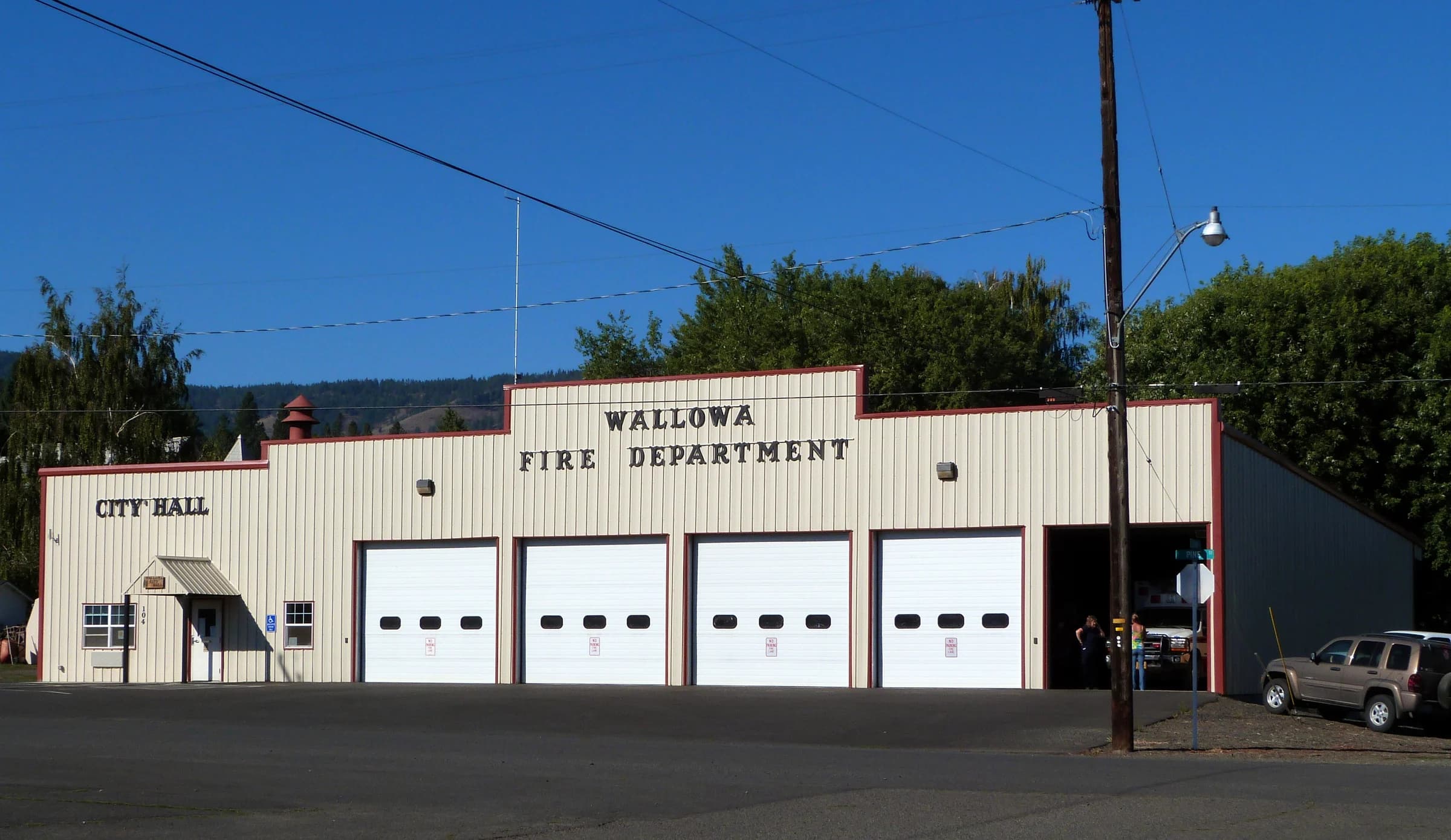
Wallowa’s combined city hall and fire station in September 2013, nine years before the hailstorm. This is a place photograph, not a damage or recovery photograph.
An atlas essay Wallowa · August 2022 and its aftermath

After the hail

On the night of August 11, 2022, hail smashed windows across Wallowa, and a lumber yard in Joseph showed up with plywood. Covering the holes took one night; fixing the houses before winter took money, contractors and time the town did not have.

Read the story
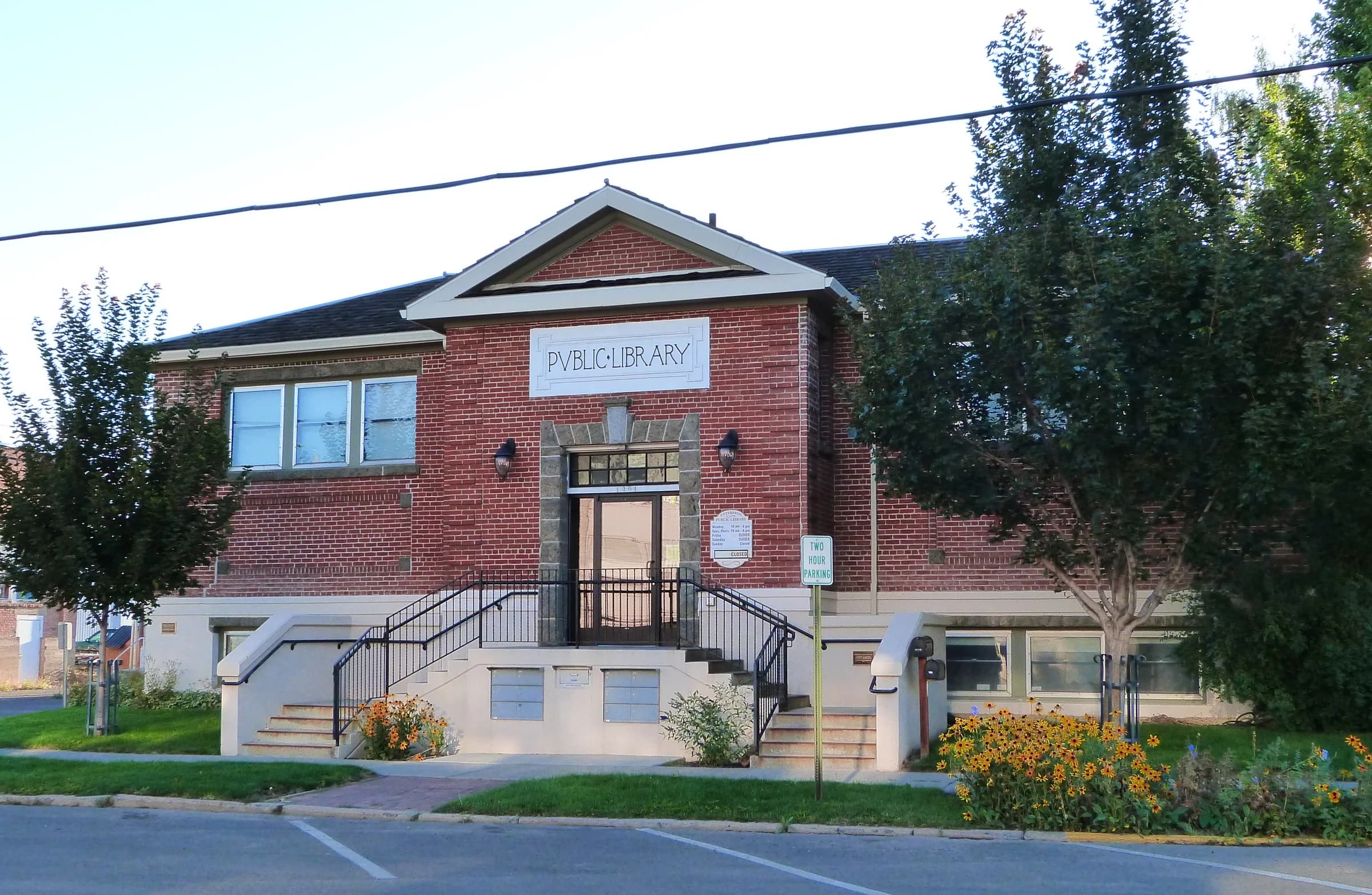
The Enterprise Public Library building.
Chapter 06 Everyday life

Loving a place, and being able to stay

Friends brought a meal that lasted four days; a library lost a vote, and its books had to find new shelves. Loving Wallowa County and being able to stay here are two different questions.

Read the story
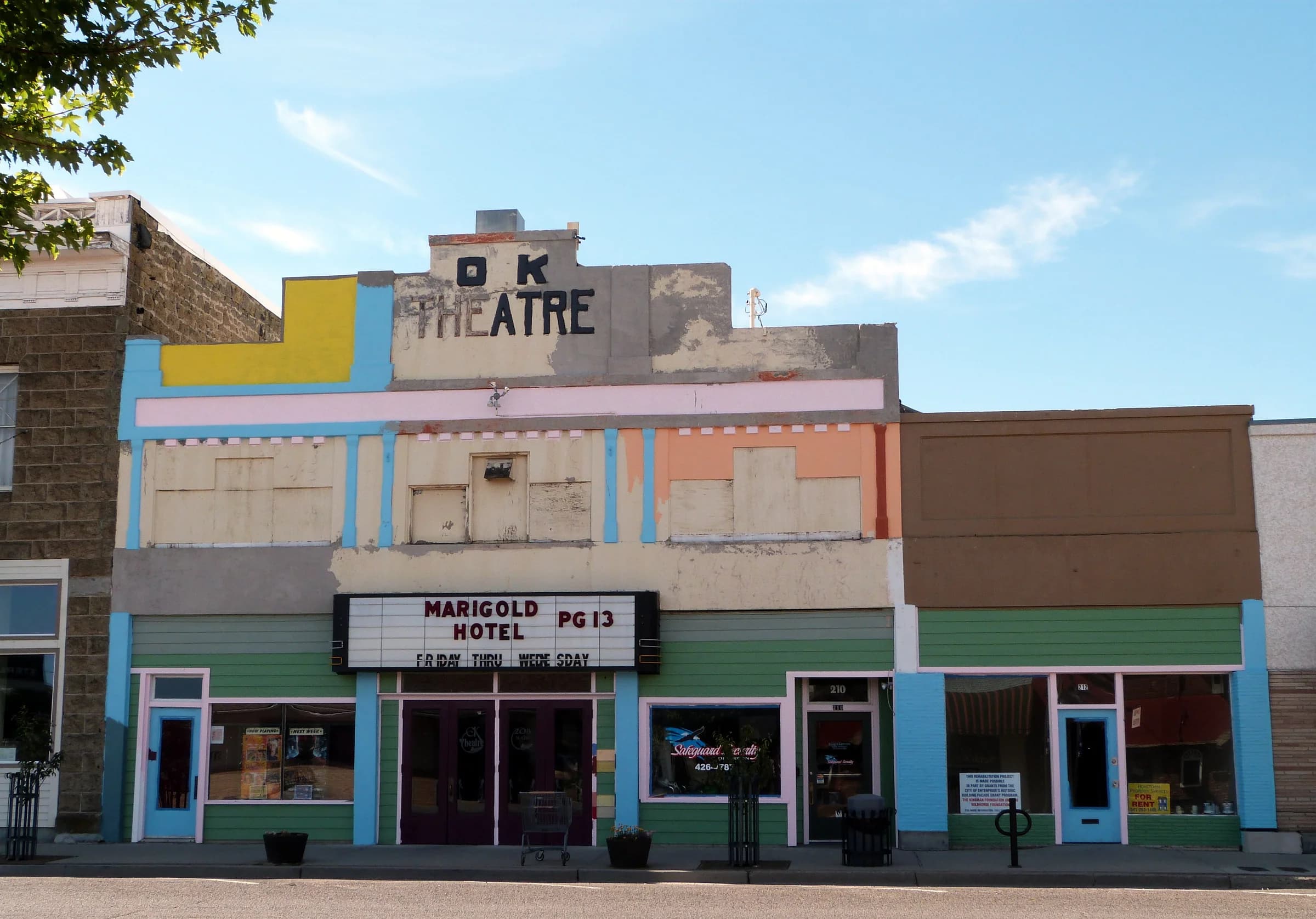
The OK Theatre facade in Enterprise. The marquee records a moment in the past, not a current program.
Chapter 05 Culture & gathering

A used book got you in the door

In 1899 you could join the Enterprise library by handing over a used book. A Grange brunch in Lostine, a writers’ gathering at Wallowa Lake and four file drawers of one woman’s papers finish the story.

Read the story