In 1998 Justin Doherty walked out of Joseph High School and into the sawmill. When the mill closed he poured bronze, and when he left the foundry he went to work for the city. One man’s path ties together industries a directory would list apart.
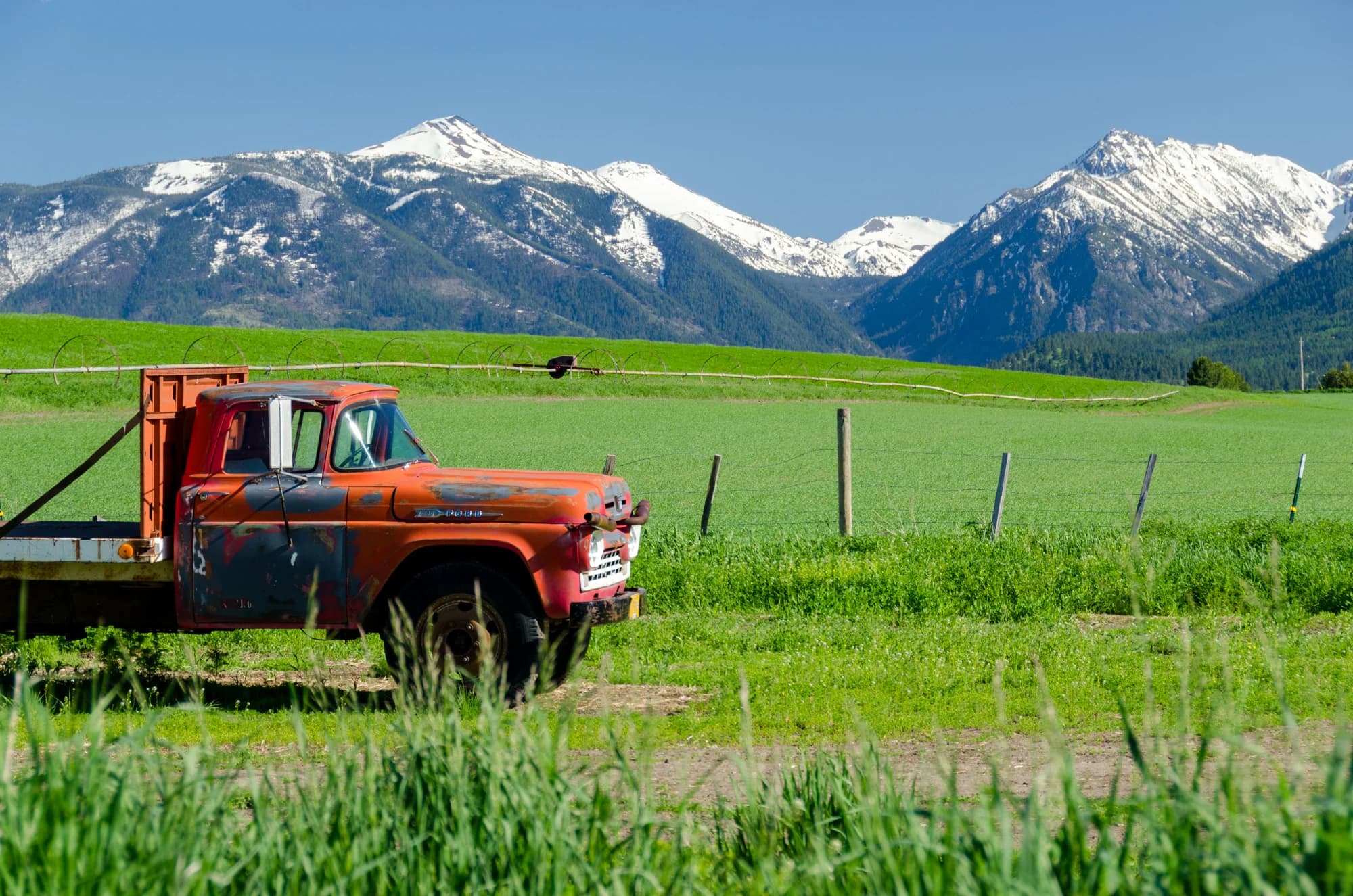
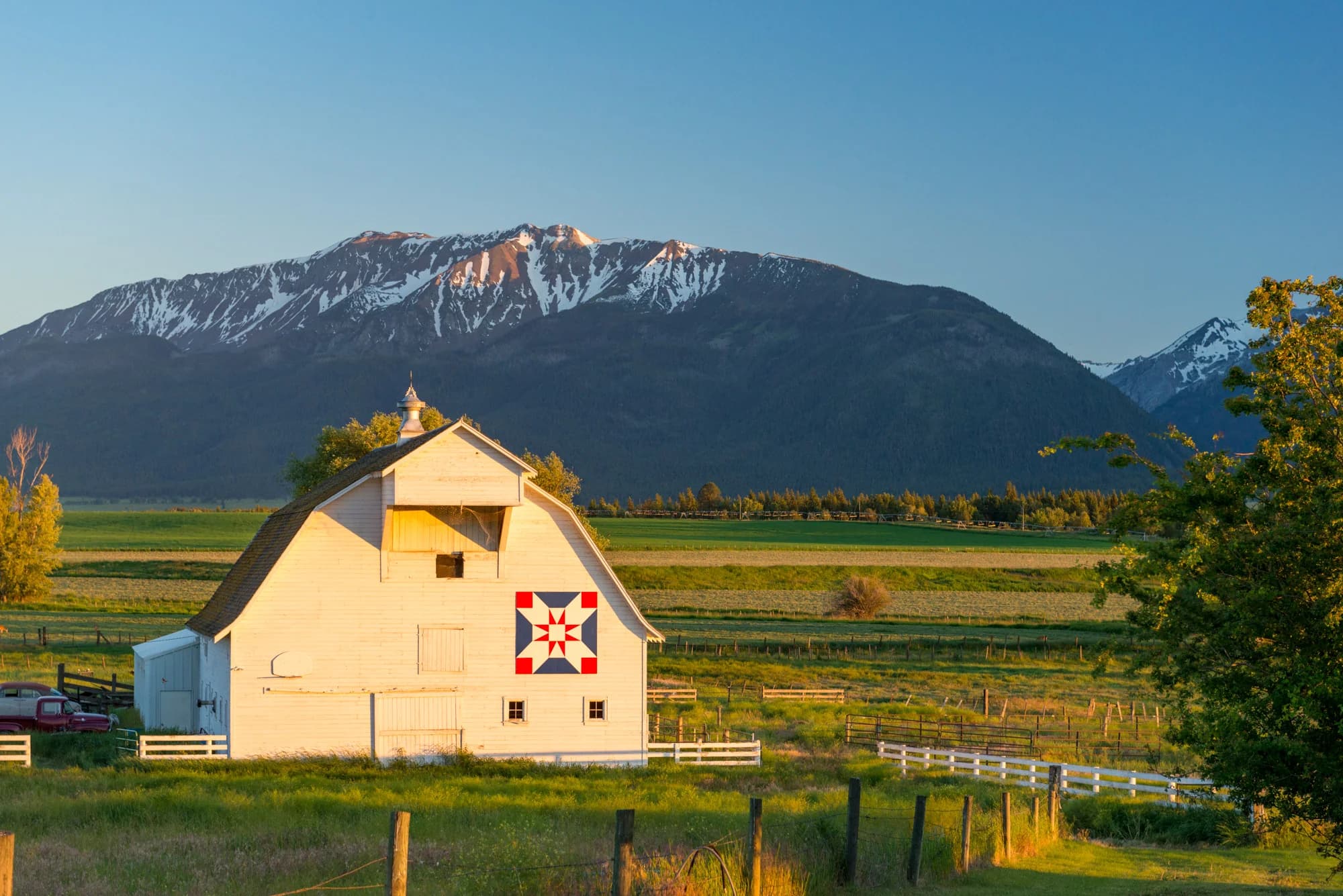
An old truck in a field near Enterprise, with the Wallowa Mountains behind it.Gary Halvorson, Oregon State Archives · 14 June 2011 · CC BY 4.0 · Image & source ↗
In this story 6 sections
Project record
Every statue started as hot metal
Valley Bronze has been casting in Joseph since 1982. In 1987 it expanded to take on monument-sized work. Today the company lists fine-art casting, ornamental metalwork, custom parts, and the installation of large pieces.
A visitor sees the finished statue and the artist’s name. Behind it are five stages: design, casting, finishing, fabrication, and delivery. Some of that skill is practiced where visitors never see it.
That is why the foundry matters to the town, and not only to the art. It is a manufacturing workplace. The statue is its public face.
What the record shows: the company’s own pages describe what it can do. They do not show where each job is done, who does it, or what is bought from other businesses.
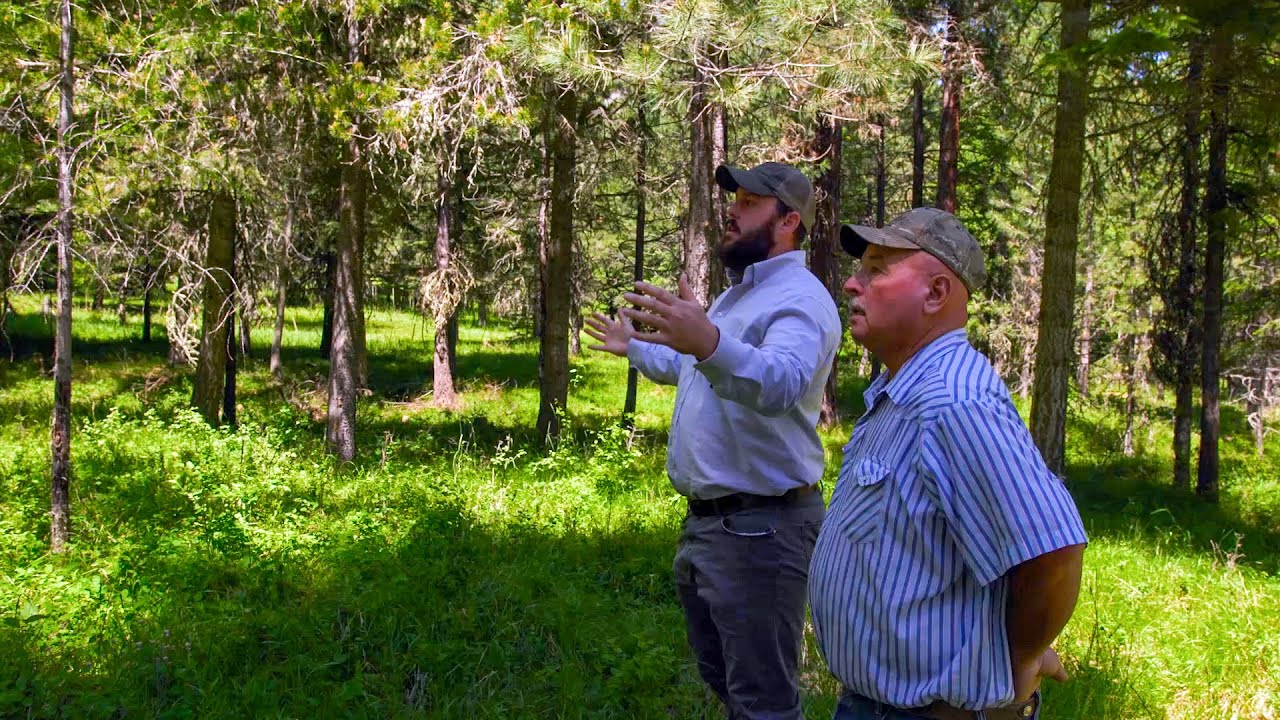
A short film on Lostine Canyon forest health, published by Wallowa Resources. Follow it into the atlas’s records for Lostine and the organization’s work.
Steve Parks started at a tooler’s bench, fixing the small flaws on the surface of a bronze casting. He moved with a foundry, helped start Valley Bronze, and then ran his own shop, Parks Bronze, in Enterprise. The Oregon Folklife Network, which tells his story, also names his brother Tim’s shop, TZ Bronze.
Timber Bronze works the other end of the trade. It makes bronze hardware, like doorbells, rather than statues. Shelley Curtiss is a sculptor who also co-owned and ran a foundry, Joseph Art Castings, from 1989 to 1995.
So bronze here is not one company. It is an artist, casting shops, and a hardware maker, each doing a different job, with skills passed from person to person. That makes bronze a distinctive local trade. It does not, by itself, mean bronze employs many people in the county.
What the record shows: the Parks profile is undated, so whether each shop is open today needs checking. Curtiss’s 1989–1995 dates are her years running Joseph Art Castings, not necessarily the foundry’s whole life.
Sawmill, foundry, city crew: one man’s twenty years
Justin Doherty finished Joseph High School in 1998 and went straight to the Joseph Timber sawmill. He stayed until the mill closed in 2002. Then he poured metal at Valley Bronze until 2017. After that he went to work on the City of Joseph’s utilities.
He told the Wallowa County Chieftain all this in February 2018. By then he was also a volunteer fire captain. Asked why he had stayed in the county his whole life, he said: “It’s home. I’d be lost somewhere else.”
Timber, bronze, city utilities, the fire hall: on paper these are four separate industries. In Doherty’s life they are one town and one career. The economy changed around a man who wanted to stay, and he kept finding new work.
What the record shows: one published interview, Wallowa County Chieftain, February 7, 2018, page A9. Jobs and volunteer roles are as Doherty gave them that day. One life does not prove a countywide pattern of retraining or pay.
The Bureau of Labor Statistics counted 447 payroll workplaces in Wallowa County in 2025. Over the year they carried an average of 2,855 payroll jobs and paid about $158.1 million in wages.
Private employers held 2,067 of those jobs. The other 788, about 28 percent, were government jobs at every level.
Walk through town and you see shops, galleries, and places for visitors. You do not see that more than one paycheck in four comes from a public employer. The visible economy and the paid economy are not the same picture.
The numbers also leave people out. They count payroll jobs, not people who work for themselves or work unpaid.
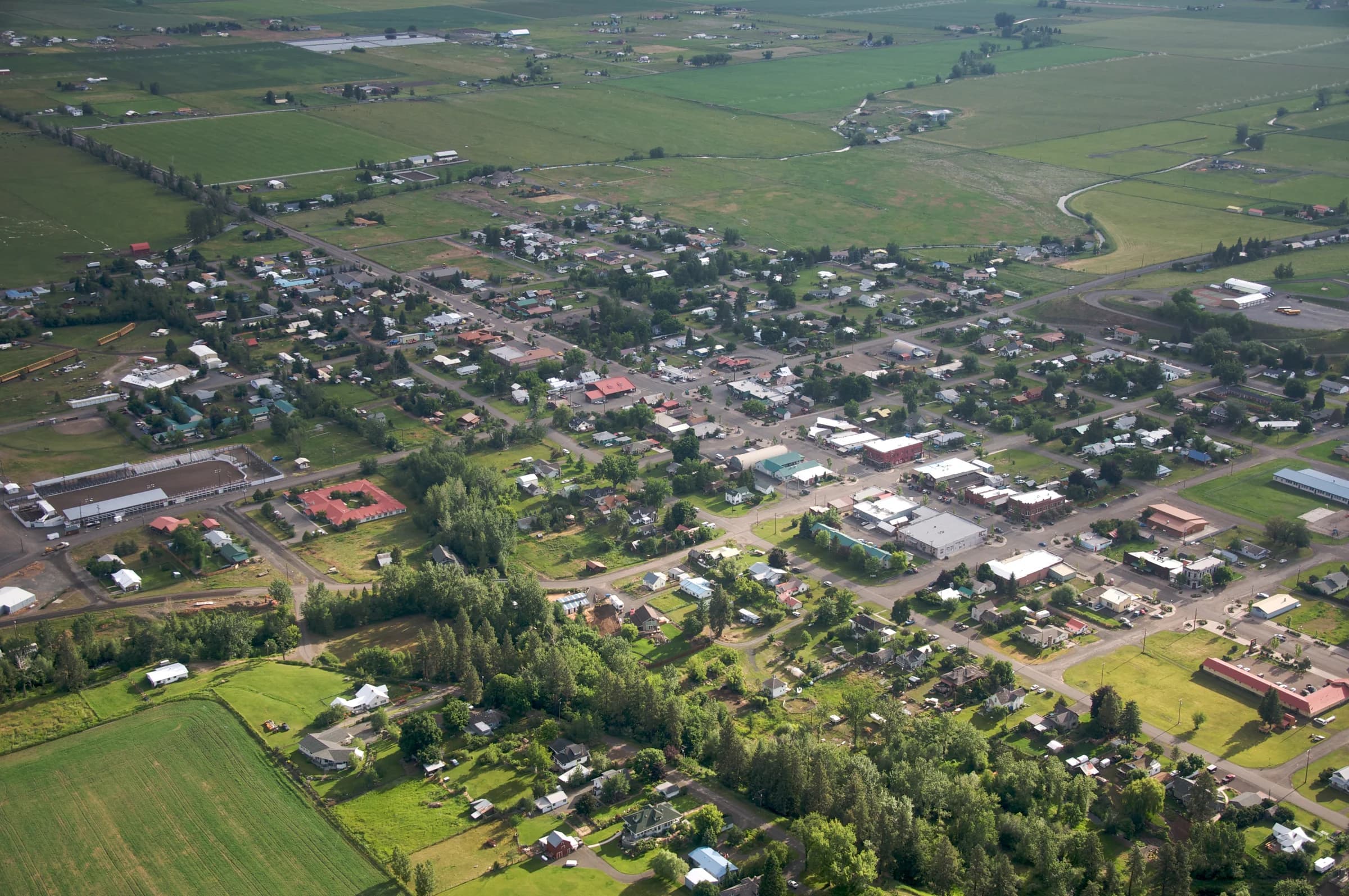
An aerial view of Enterprise and the surrounding fields. A town and its surrounding working landscape; individual employers cannot be identified from this view. Sam Beebe · 2007-07-08 · CC BY 2.0 · Image & source ↗
What the record shows: a workplace is a reporting unit, not always a separate firm. Industry detail can be withheld for confidentiality, so a missing foundry figure does not mean no foundry jobs. Bronze’s share stays unmeasured.
Terminal Gravity brewed its first IPA in 1997. Stein Distillery grows grain as part of making its spirits. Arrowhead Chocolates opened its Joseph shop in 2010.
Each one makes a thing, sells it, and often gives people a place to sit. That is a factory, a store, and sometimes a farm or a gathering place, all in one business. A directory files it under one heading. The work does not fit in one.
The reverse is also true. One registered company can hide several workplaces or lines of work. So the business and what it actually does both need watching.
The bigger question is how much of each dollar stays in the county. Websites show some of the steps. They do not show margins, what workers are paid, or where every ingredient comes from. Those answers sit in records, and with owners willing to talk.
In the 1960s Eugene “Gene” Hayes painted advertisements and signs around Wallowa Lake, Joseph, Lostine and Wallowa. Hayes was born at Bear Creek and made his living as a commercial artist. Businesses paid him for the signs. He also made maps, etched stationery and painted landscapes. Marilyn Hulse tells his story for the Wallowa History Center.
One piece is easy to picture. Hulse describes a large montage of 1960s business advertisements on the stage wall of Hurricane Creek Grange. Neighbors came to the grange to gather, and merchants paid to be seen there.
That wall is two histories at once. Art here was skilled, paid work before the county was known for bronze. And the businesses on it are a trail: each name could lead to an owner, a shop, a product, or a closing date.
What the record shows: Hulse’s retrospective for the Wallowa History Center. The businesses on the grange wall were the ones that paid to advertise, not every business in town.
Wallowa County Chieftain · Historic Oregon Newspapers, University of Oregon Libraries · Accessed 2026-09-13
February 7, 2018, page A9. Published interview, headed Public Works, City of Joseph. Employment and volunteer roles refer to the interview date. Quotation retains the speaker’s wording; no present-day employment claim.
Wallowa History Center · Marilyn Hulse · Accessed 2026-09-13
Undated local historical retrospective. Describes commercial signs, advertising montages, maps and commissions. The location of a surviving artwork does not establish public access or reproduction permission.
How to read the evidence
Documented history / Project record
What the cited records say happened, with their dates and their limits attached.
Reported experience
What a person or an organization said, credited to them and not treated as everyone’s experience.
Analysis
Our reading of the records. Argue with it through the sources it cites.
Open questions
What the record does not yet answer.
Every claim is held to the same standard. That does not make every claim equally well supported.
A Wallowa County rancher can raise a steer from birth and still not be able to sell you a steak from it without sending the animal out of the county to be killed and cut. One ranch found that nearly 40% of its costs came after the cattle left the ranch. That is the question under every industry here: between the thing made and the thing sold, who gets the money?
Most businesses in the county start on savings, a small loan and a second job. These are the programs that will lend, match or guarantee money for someone starting or buying a business here, including the lenders built for Native borrowers. For each: what it requires, and what none of them can do. Terms change. Call before you plan around a number.