Original accounts
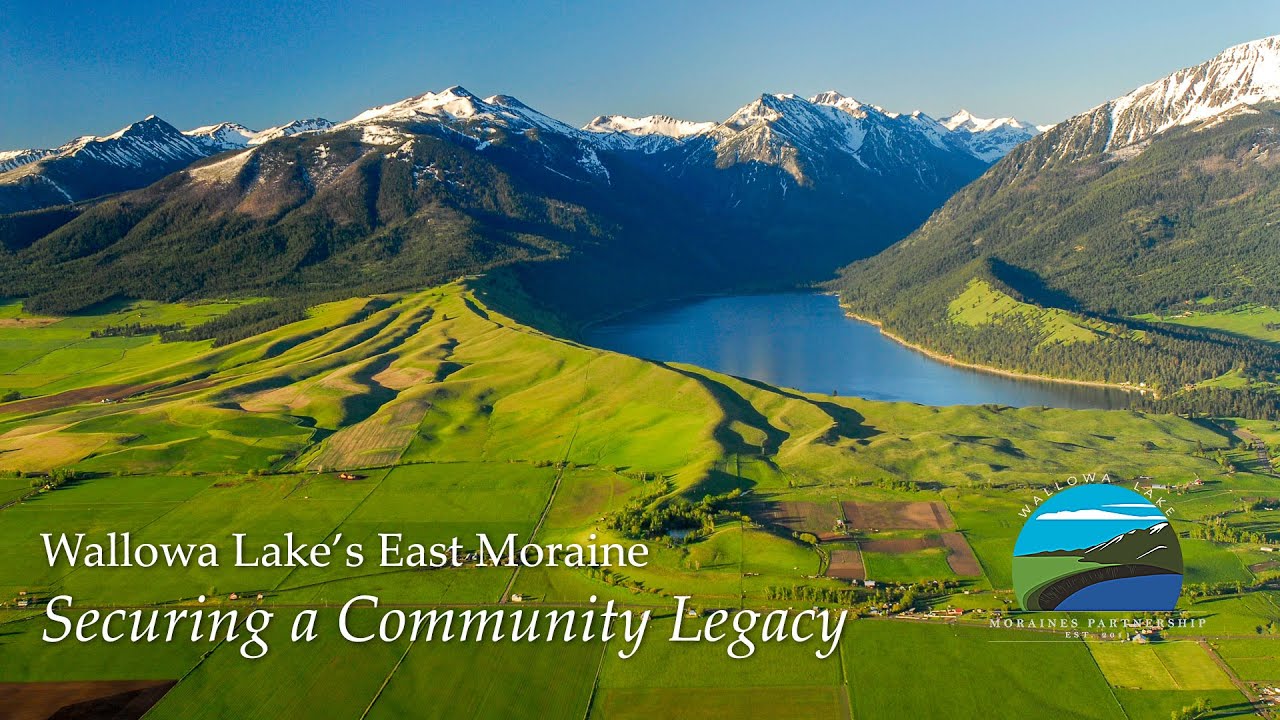
The lake and its surrounding moraines connect landscape conservation with community life. Wallowa Land Trust describes the East Moraine’s transfer into county ownership in January 2020.
The lake is also part of a larger historical and cultural geography. Its story should be read alongside tribal accounts, rather than beginning and ending with recreation.
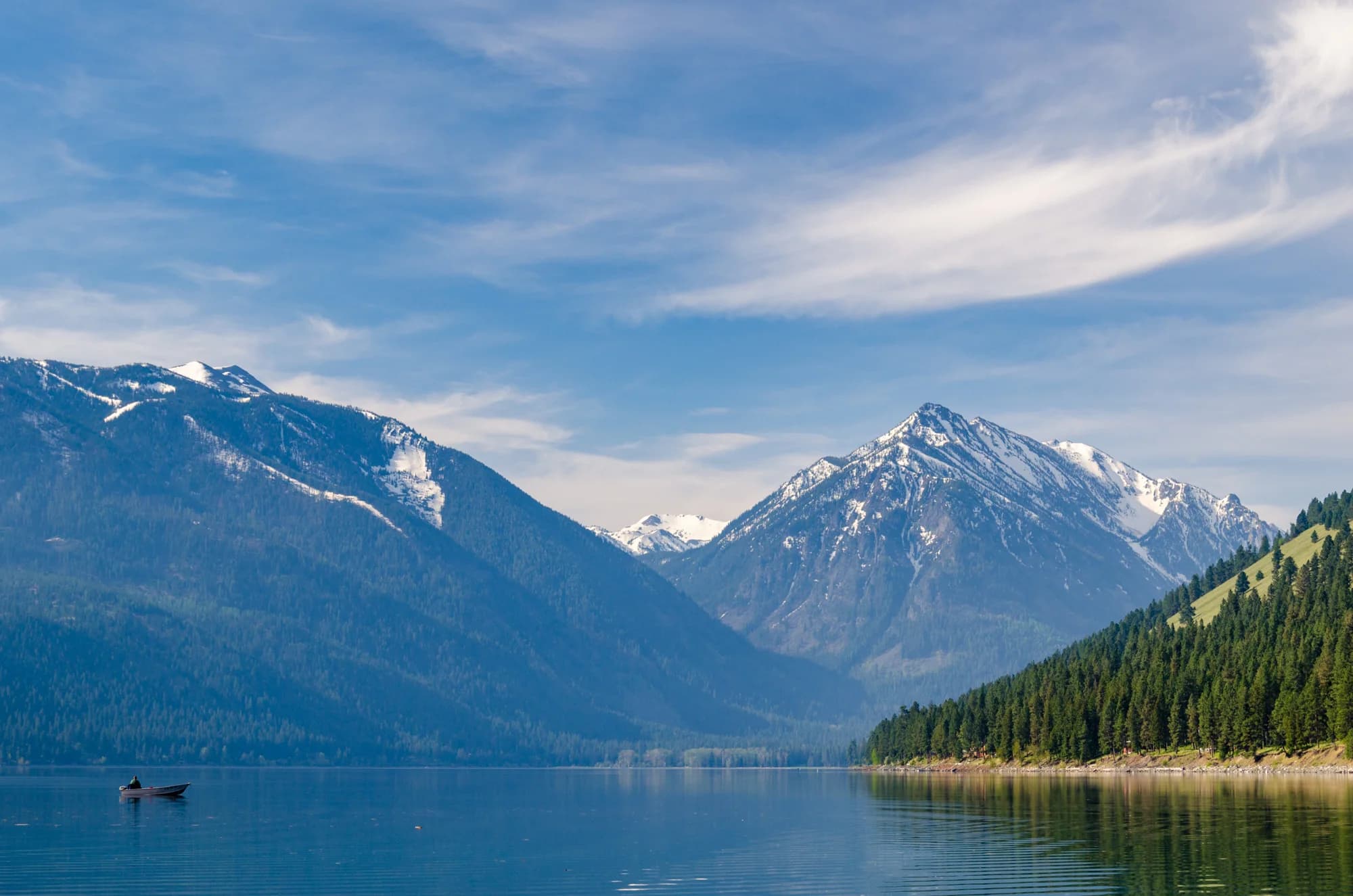
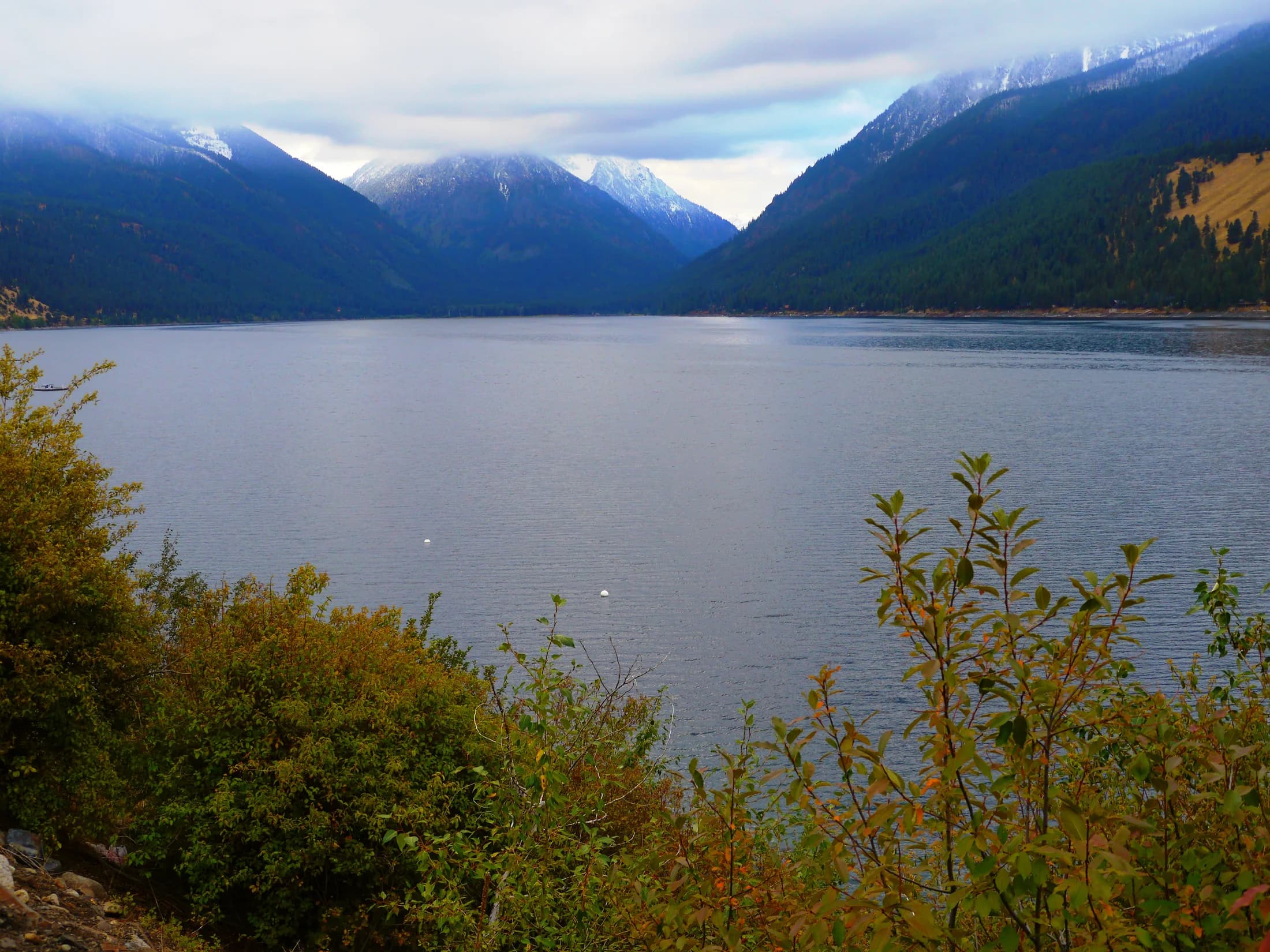
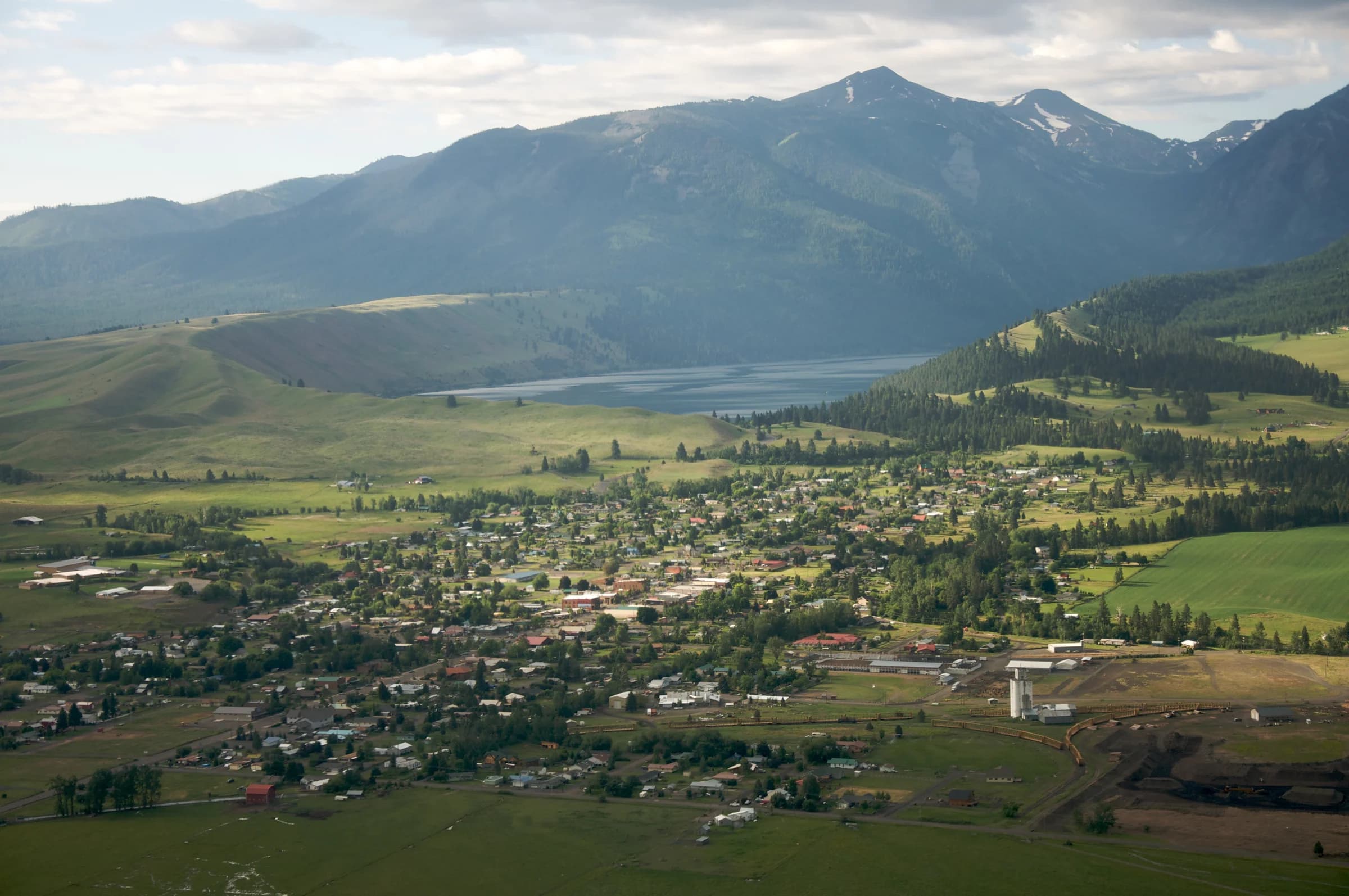
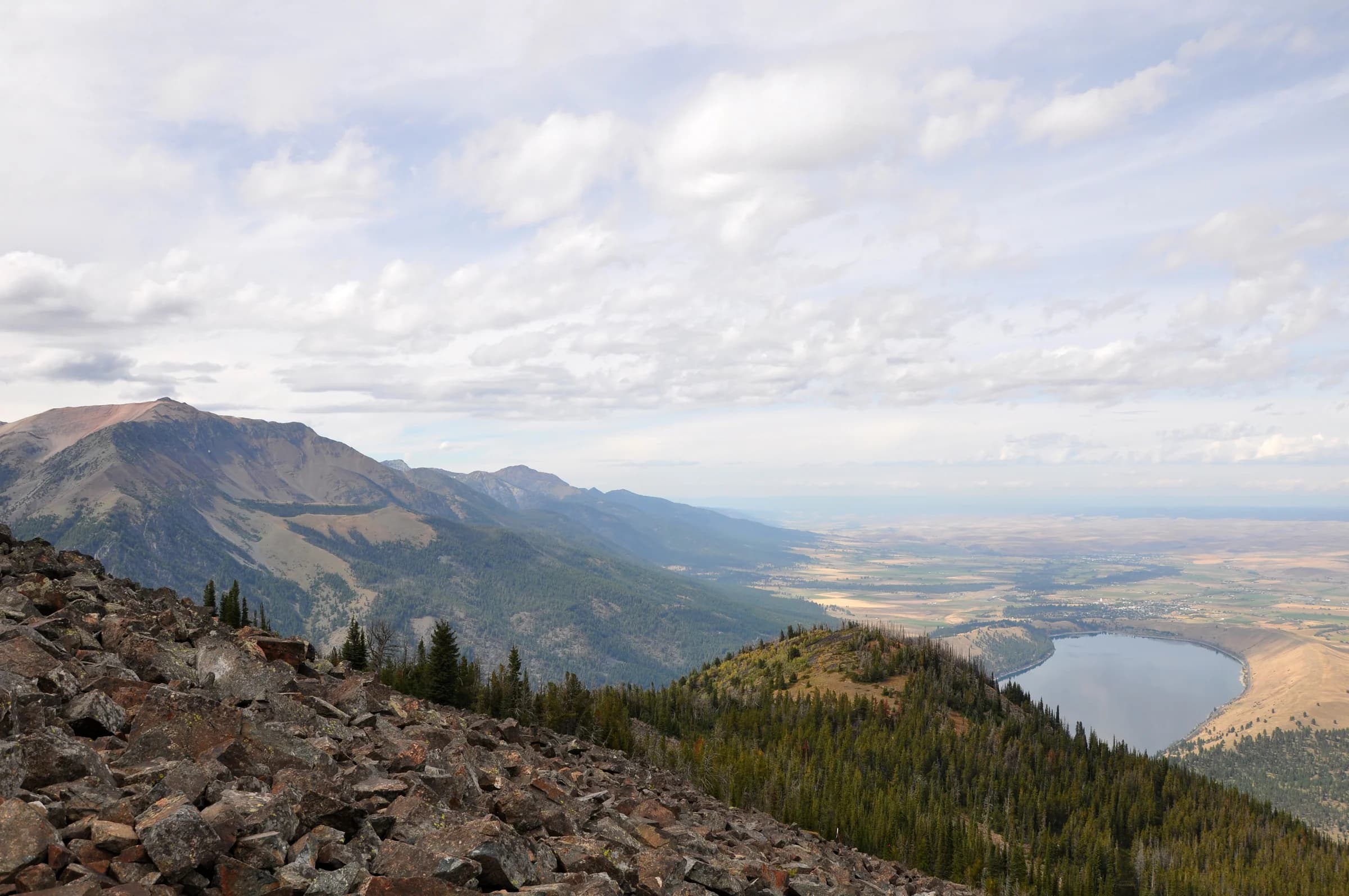
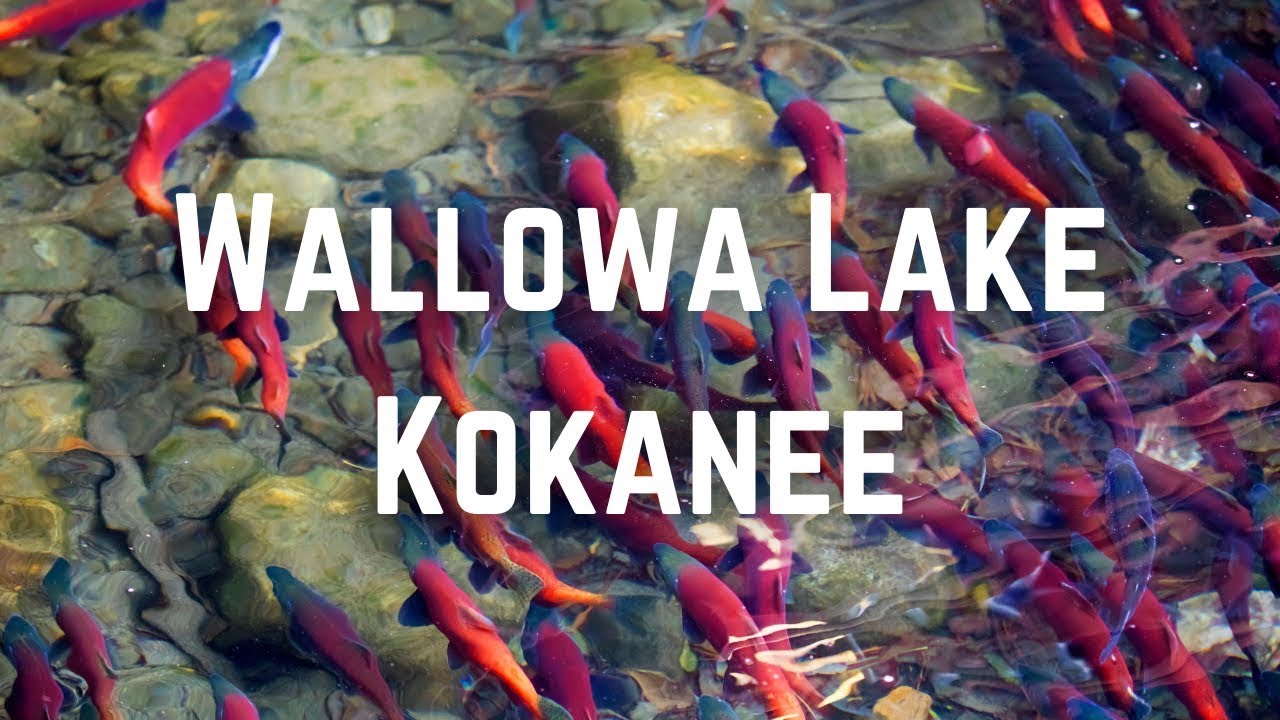
At the lake’s northern outlet, about a mile south of Joseph, a concrete dam built for irrigation in 1919 by its owner’s account, and raised in 1920 and 1929, lifts the water 28.4 feet above its natural level. The state listed it as a high-hazard dam in 1996, and the Wallowa Lake Irrigation District has since been limited to about 70 percent of its water right. The lake once held Oregon’s only Snake River sockeye run; the dam was built without fish passage, and only kokanee, the landlocked form, remain.
Rehabilitation began on September 2, 2026, after an August 2020 agreement among the district, the Nez Perce Tribe, the Confederated Tribes of the Umatilla Indian Reservation and the state fish agency on instream water, after state lottery funds and a federal grant to the Tribe for sockeye passage, and after a dispute over trucking fish around the dam that ended with a fish ladder. The first phase is due in August 2027 and the ladder in 2028; a sockeye brood stock has been in the works since 2023. The land-and-water chapter carries the full account.
Wallowa Land Trust ↗Nez Perce Tribe ↗Rick Obst / Wikimedia Commons ↗Oregon State Legislature, submitted for the Wallowa Lake Irrigation District ↗Oregon Department of Fish and Wildlife ↗Wallowa County Chieftain: Appeals court ruling on Wallowa Lake Dam is moot ↗Oregon Fish and Wildlife Commission ↗Wallowa County Chieftain: Wallowa Lake Dam work gets underway ↗
Through time
1919
The irrigation dam at the outlet is built; it is raised in 1920 and 1929.
1996
The state lists the dam as a high-hazard structure; storage is restricted.
2020
The district, two tribes and the state agree on instream water from the lake, the condition of state funding for the rebuild.
2026
Work on the dam begins on September 2; fish passage follows in a second phase.
Follow the connections
Connected from faith community recordEnterprise Christian ChurchConnected from organization recordWallowa Lake United Methodist CampLand and parcel records
This record has not yet been matched to a verified parcel.
View official map sources and coverage