A living record · Tribal nation

Nez Perce Tribe

A sovereign nation whose history and continuing life are essential to understanding this region.

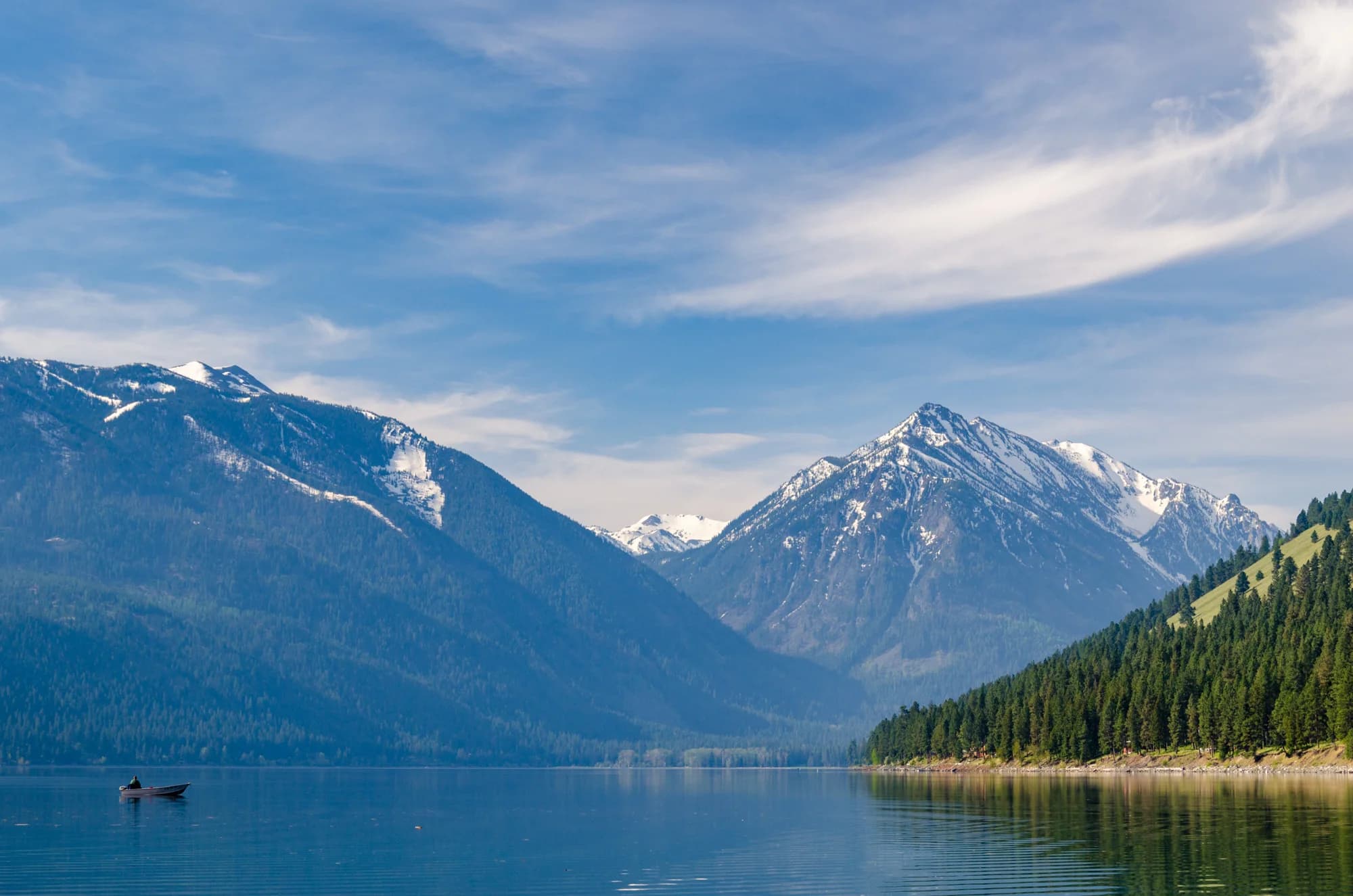
Wallowa Lake and the mountains, seen from the county park at the north end. Regional landscape context for this record.
Wallowa country

Wallowa Lake and the mountains, seen from the county park at the north end. Regional landscape context for this record.

Gary Halvorson, Oregon State Archives · 16 May 2012 · CC BY 4.0 · Image & source ↗

The Tribe’s own history describes Nimiipuu life across parts of present-day Idaho, Oregon, and Washington, with travel for fishing, hunting, and trade reaching farther.

Treaties, displacement, and continuing cultural practices belong to the same account. A present-day county boundary cannot contain that geography, and the atlas does not treat tribal history as a closed chapter.

Also known as: Nimiipuu · Nimíipuu

Follow the connections

Read the landscape alongside tribal historyWallowa Lake
Connected from organization recordChief Joseph Days RodeoConnected from faith community recordWallowa United Methodist Church
Original recordings · Connected to this page

Watch this part of the story.

All recordings
Original accounts

Voices connected to this place

The larger story

Read the connections.

Wallowa Lake and the mountains, seen from the county park at the north end.
Chapter 01 Land & water

Fish, farms, and the ridge above the lake

Salmon swimming home past eight dams met too little water in the last few miles. What people did about that, about the dam at the lake’s outlet, and about the ridge above Wallowa Lake, comes down to a few signed pieces of paper.

Read the story
The Wallowa Mountains reflected in the lake, photographed from the north-end county park. This landscape photograph does not depict a particular cultural gathering.
Chapter 02 Indigenous homelands

The valley they kept coming home to

The Nez Perce people never stopped knowing this valley as home. Photographs of families coming back to fish in the 1930s, the Tribe’s biologists on the Lostine River today, and a plan that looks a hundred years ahead tell the story of return in pieces. The people it belongs to should tell the rest.

Read the story