A living record · Service

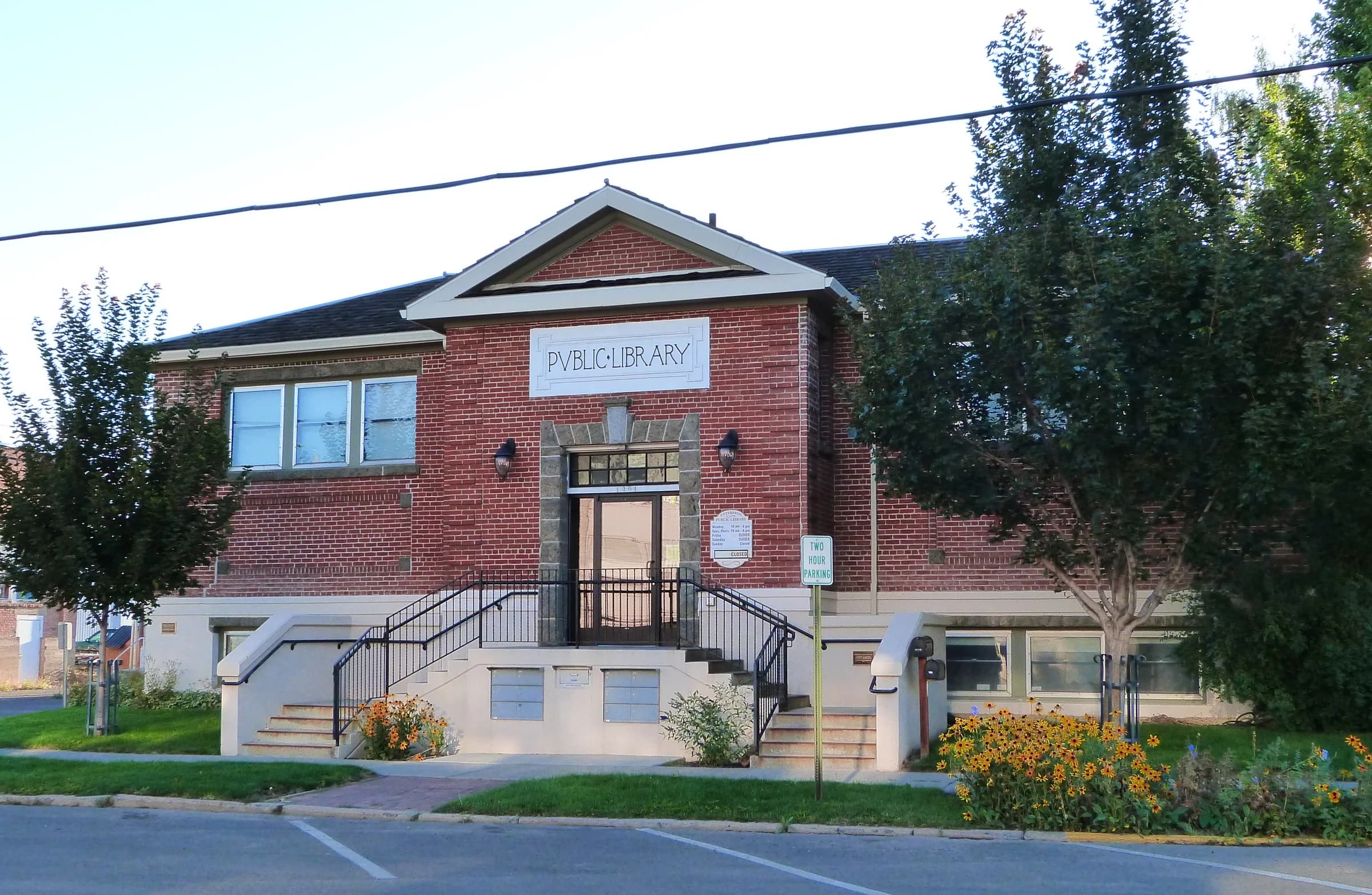
Enterprise Public Library

A public library with a place in the architectural history of Enterprise.

The Enterprise Public Library building.
From the photograph collection

The Enterprise Public Library building.

Ian Poellet · 2013-09-09 · CC BY-SA 3.0 · Image & source ↗

The city’s historical account connects the library with the town’s early twentieth-century building history and identifies John Oberg as its builder.

Its continuing public role belongs alongside that history. Readers can contribute memories of using the library, with personal accounts kept distinct from the building record.

The city’s library page gives “Enterprise Public Library est: 1899” and says the library is “housed in the original 104 year old Carnegie Library building” at 101 NE First Street. It names Liz Cedarbrook as librarian, says the Library Committee meets monthly at 5:30 p.m. before the council meeting, and links an electronic edition of the Horner Papers and county newspapers from 1893 to 1967. The city’s two library pages give different opening hours, so neither is recorded here. As a city library it has no state registration.

Through time

1899

Established, according to the city’s library page.

Follow the connections

Supported by the county libraryWallowa County Library
A shared builder in the city’s historical accountOK Theatre
Connected from community recordEnterprise
The larger story

Read the connections.
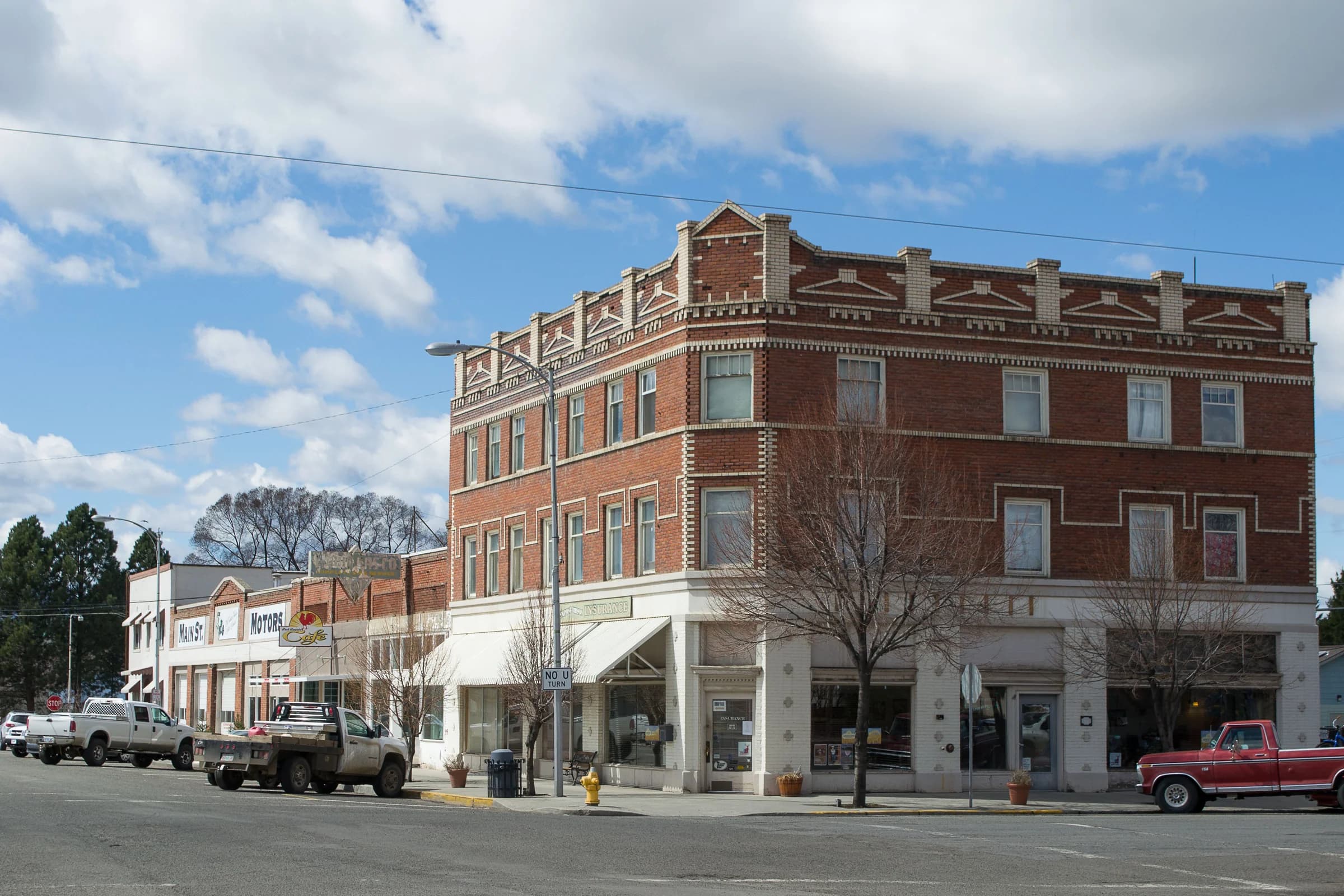
Brick storefronts along a street in Enterprise.
Chapter 03 Towns & settlement

Every main street has many lives.

In Enterprise a theater waited out the flu, in Joseph a bank kept a hospital upstairs, and in Lostine a pharmacy shared its roof with a lodge. On these main streets, every doorway has a second story.

Read the story
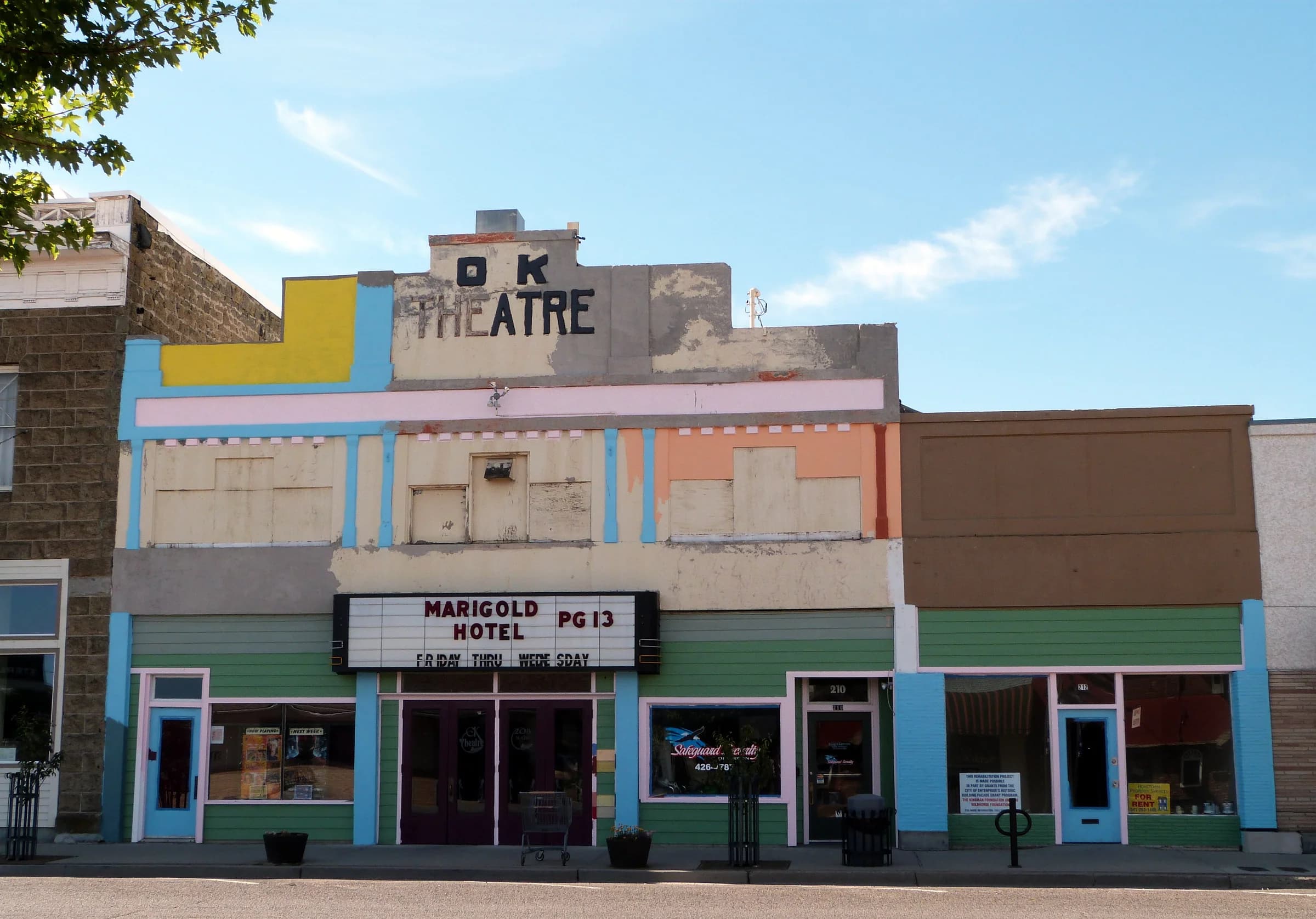
The OK Theatre facade in Enterprise. The marquee records a moment in the past, not a current program.
Chapter 05 Culture & gathering

A used book got you in the door

In 1899 you could join the Enterprise library by handing over a used book. A Grange brunch in Lostine, a writers’ gathering at Wallowa Lake and four file drawers of one woman’s papers finish the story.

Read the story