



Original accounts
The Wallowa History Center is a nonprofit whose stated mission is to increase public access to local history. It works from the former U.S. Forest Service headquarters of the Bear-Sleds Ranger District at 602 West First Street in Wallowa, where its research library holds more than 4,000 physical documents and objects and its interpretive center shows rotating exhibits designed by volunteer historians. It has helped people with family research since 2001, has digitized local newspapers dating back to 1868, keeps a digital collection on Northwest Digital Heritage, and publishes the Wallowa Quarterly, fifty issues so far, through Bear Creek Press. Admission is free; it opens Thursdays and Fridays from ten to two and by appointment. Its executive director is Sadie Kennedy.
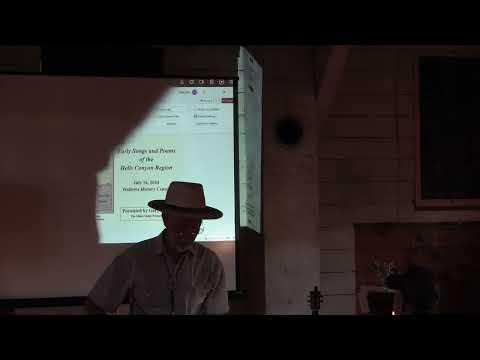
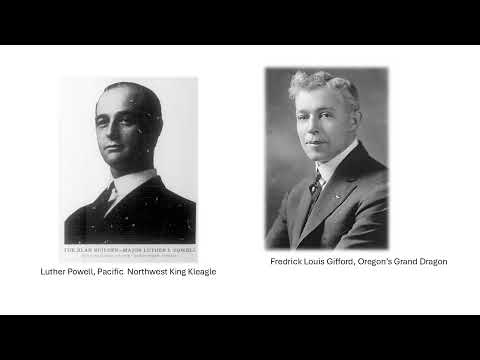
Its historians write and speak. The Historians Corner on its site carries essays the atlas draws on elsewhere: the 1923 lettuce boom, the 1901 petition, the county’s diversity, soda fountains, and Nez Perce families in the lower valley after 1877. Its recorded talks, four of which are shown on the atlas, cover the 1866 survey and Nez Perce resistance, the 1879 robbery of Old Chief Joseph’s grave, the Hells Canyon Songs Project and the Klan in the county in the 1920s. Cemetery driving tours, a restored 1987 centennial slide show called The Wallowa Story, and book groups and lectures shared with the Josephy Center fill out the calendar.
The center also teaches. Rendezvous, its hands-on history day for students from kindergarten through eighth grade, moved classes in June 2024 through stations at City Hall, the public library and the Nez Perce Wallowa Homeland grounds. The atlas links readers back to the collection rather than copying it; a catalog record does not by itself establish permission to republish the original.
Wallowa History Center: Wallowa County historical collections ↗Wallowa History Center: About the Wallowa History Center ↗Wallowa History Center: Collection ↗Wallowa History Center: Programs ↗
Also known as: WHC
Through time
1987
The Wallowa Story, a 45-minute slide presentation, is written for the county centennial; the center later digitizes and restores it.
2001
The center begins helping people with family research and genealogy, by its own account.
2022
A recorded talk on the 1866 land survey and Nez Perce resistance; the first of the center’s talks now shown on the atlas.
2024
Rendezvous: a June history day for students with stations at City Hall, the library and the Homeland grounds; the center’s fiftieth Wallowa Quarterly is reached around this time.